
How Much Does Mixed Use Property Insurance Cost in Ohio?
Owning a mixed-use property in Ohio can be a highly effective way to generate consistent income while diversifying your risk across residential and commercial tenants. Whether it’s a retail storefront with apartments above in downtown Columbus, a renovated warehouse in Cleveland’s Ohio City neighborhood, or a mixed-use strip in Cincinnati’s Over-the-Rhine district, these assets are everywhere across the state.
But from an insurance standpoint, mixed-use buildings are far more complex than standard rental properties.
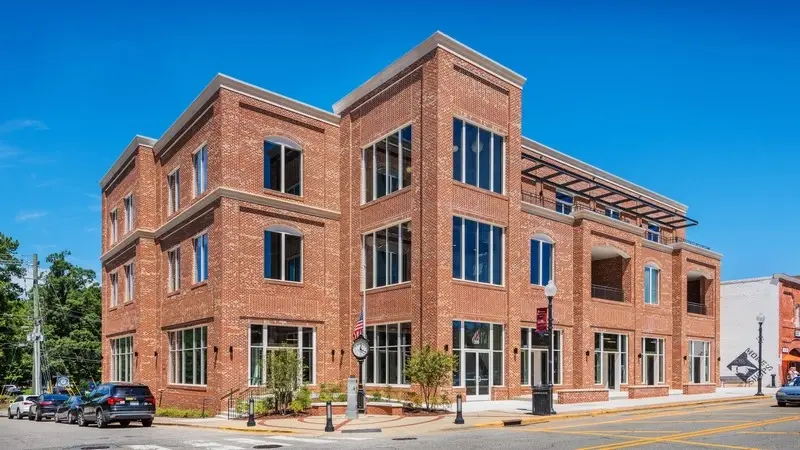
At Wexford Insurance, we’ve helped many Ohio property owners who assumed their landlord policy covered everything—until a claim involving a commercial tenant or shared space revealed major gaps. Nate Jones, CPCU, ARM, CLCS, AU our agency principal, often says: “Mixed-use properties are one of the most misunderstood risks in commercial insurance. You’re combining two very different exposures into one structure, and that requires a more thoughtful strategy.”
If you’re wondering how much mixed use property insurance in Ohio costs, the answer depends on several key variables. Let’s break it down clearly so you can budget intelligently and avoid costly surprises.
Average Cost of Mixed Use Property Insurance in Ohio
Because mixed-use properties combine residential and commercial exposures, they require multiple coverage components. Below are estimated ranges based on what we commonly see across Ohio.
$55 – $170 per month
$660 – $2,040 annually
General liability insurance protects you if someone is injured on your property—whether that’s a tenant, customer, or delivery driver.
Properties with higher foot traffic—such as storefront retail or restaurants—typically fall toward the higher end of this range. In areas like downtown Columbus or Cleveland, where foot traffic is heavier, liability exposure naturally increases.
$1.30 – $3.25 per $100 of payroll
$120 – $500 per month (typical for small operations)
Ohio operates under a monopolistic workers’ compensation system, which means coverage must be purchased through the Ohio Bureau of Workers’ Compensation (BWC), not private insurers.
Even small payrolls can create noticeable costs, especially if you employ maintenance staff or on-site management.
$260 – $720 per month
$3,100 – $8,600 annually
Commercial property insurance covers the structure—roof, plumbing, wiring, HVAC, stairwells, and common areas.
In Ohio, one key factor is building age. Older properties in cities like Dayton or Toledo often have aging infrastructure, which can increase premiums.
Business Owner’s Policy (BOP)
$300 – $800 per month
$3,600 – $9,600 annually
A Business Owner’s Policy (BOP) combines property and liability coverage into one policy. Some smaller mixed-use buildings qualify, and we often recommend this for efficiency and cost savings.
$30 – $85 per month
$350 – $1,000 annually
This coverage replaces lost rent if your property becomes uninhabitable after a covered loss.
At Wexford Insurance, we’ve seen winter-related claims—like frozen pipes in Cleveland—shut down properties for weeks, making this coverage critical.
Umbrella Liability Insurance
$225 – $650 annually
An umbrella policy adds extra liability protection above your base limits.
Given Ohio’s litigation environment and the layered exposure in mixed-use buildings, this is often one of the most cost-effective protections available.

What Factors Affect Mixed Use Property Insurance Costs in Ohio?
Several underwriting factors influence pricing, and Ohio has some very specific cost drivers.
Tenant Mix Is Critical
Not all commercial tenants carry the same level of risk:
Office tenants → lowest risk
Retail shops → moderate risk
Restaurants, bars → higher risk
At Wexford Insurance, we’ve seen two identical buildings priced very differently simply because one included a restaurant tenant.
Location Within Ohio
Where your property is located plays a big role:
Columbus: Rapid growth, rising reconstruction costs
Cleveland: Older infrastructure, higher repair risks
Cincinnati: Dense mixed-use development and liability exposure
Rural areas: Lower liability but slower emergency response times
Your ZIP code alone can significantly impact pricing.
Ohio’s Climate and Weather Risks
Ohio experiences several unique environmental risks:
Freeze-thaw cycles causing foundation and plumbing issues
Heavy snow and ice creating slip-and-fall hazards
Snow load stress on roofs
Spring storms with wind and water damage
These conditions lead to both property and liability claims.
Building Age and Systems
Many mixed-use buildings in Ohio are older structures converted for modern use.
This often means:
Outdated plumbing
Aging electrical systems
Older roofing materials
At Wexford Insurance, one of the most common claims we see is water damage from frozen or deteriorating pipes—especially in older downtown buildings.
Shared Spaces and Exposure
Mixed-use properties create shared areas:
Entryways
Hallways
Stairwells
Parking lots
These shared spaces increase the chance of accidents involving both commercial customers and residential tenants.
Claims History
Previous claims—especially water damage, fire, or slip-and-fall incidents—can quickly increase premiums or limit carrier options.
In Nate Jones’s experience as a former underwriting manager, repeated water losses can make a property significantly harder to insure.
Ohio-Specific Insurance Requirements for Mixed Use Properties
Ohio’s regulatory framework has several unique features that directly affect your insurance.
Workers’ Compensation Through the State Fund
Ohio is one of a few states with a monopolistic system:
Coverage must be purchased through the Ohio Bureau of Workers’ Compensation (BWC)
Private carriers cannot write workers’ comp policies
Required if you have any employees
No Statewide Landlord License
Ohio does not require a statewide license for property owners, but:
Cities like Columbus and Cincinnati enforce building codes and inspections
Local ordinances may require registration or compliance documentation
These can impact underwriting and claims outcomes.
Premises Liability Laws in Ohio
Property owners have a duty to maintain safe conditions for:
Tenants
Customers
Visitors
Failure to address hazards—like icy walkways or broken stairs—can lead to lawsuits. This is why general liability insurance is essential.
Local Property Maintenance Codes
Cities like Cleveland and Dayton have strict property maintenance requirements. Violations can:
Increase liability exposure
Lead to claim denials if negligence is proven
Coverage Expectations from Lenders
Most Ohio lenders require:
Replacement cost property coverage
Minimum $1M liability limits
Proof of insurance certificates
How to Lower Your Mixed Use Property Insurance Costs in Ohio
Insurance costs are manageable if you take a proactive approach:
Bundle coverage into a BOP
This often reduces total premium costs.
Upgrade plumbing and electrical systems
Especially important for older buildings.
Improve winter safety measures
De-icing walkways and adding handrails reduces claims.
Increase deductibles strategically
Helps lower monthly premiums.
Choose lower-risk tenants when possible
Tenant mix directly impacts pricing.
Avoid small claims
Maintaining a clean claims history keeps your rates stable.
Work with an independent agency
Wexford compares multiple carriers to find better options.
Frequently Asked Questions About Mixed Use Property Insurance in Ohio
Is mixed use property insurance required by law in Ohio?
No, it is not legally required. However, lenders typically require coverage, and operating without insurance exposes you to significant financial risk.
Why is insurance cheaper in Ohio than coastal states?
Ohio generally has lower catastrophe exposure than coastal states, but risks like snow, ice, and aging buildings still drive claims and premiums.
Do I need workers’ comp if I hire a part-time maintenance worker?
Yes. Ohio law requires workers’ compensation coverage for any employee, even part-time.
Are winter-related claims common in Ohio?
Yes. Ice-related slip-and-falls and frozen pipe claims are among the most frequent losses we see.
Why Ohio Mixed Use Property Owners Choose Wexford Insurance
At Wexford Insurance, we specialize in helping property owners navigate complex risks like mixed-use buildings.
We’re an independent agency, which means we’re not tied to a single carrier. Instead, we shop the market on your behalf to find the best combination of price and protection.
In Nate Jones’s experience as a former underwriting manager, many mixed-use properties are underinsured or incorrectly structured. That’s where we step in.
At Wexford Insurance, we have seen firsthand that properly structuring a policy—especially around tenant mix and shared exposures—can prevent major issues during claims.
Our team, led by Nate Jones CPCU, ARM, CLCS, AU, brings deep technical knowledge backed by real-world underwriting experience. As a Trusted Choice agency, we prioritize transparency and long-term relationships over quick sales.
Get a Mixed Use Property Insurance Quote in Ohio Today
Your mixed-use property is a valuable and complex investment. The right insurance strategy protects not just your building—but your income and long-term financial future.
Let Wexford Insurance help you build coverage that actually fits your risk.
Wexford Insurance107 N State Road 135, STE 304Greenwood, IN 46142
Call 317-942-0549 or visit www.wexfordins.com. We will compare multiple carriers and help you secure the right protection at the best possible price.


