
How Much Does Apartment Insurance Cost in Texas?
- Apr 30
- 5 min read
Updated: May 14
Owning an apartment complex in Texas can be a powerful long-term investment—but it comes with a unique set of risks that many out-of-state owners underestimate. Whether you’re managing a 12‑unit property in Dallas, a mid-size complex in Houston, or a student housing portfolio near Austin, your exposure to liability, weather, and operational risk is constant.
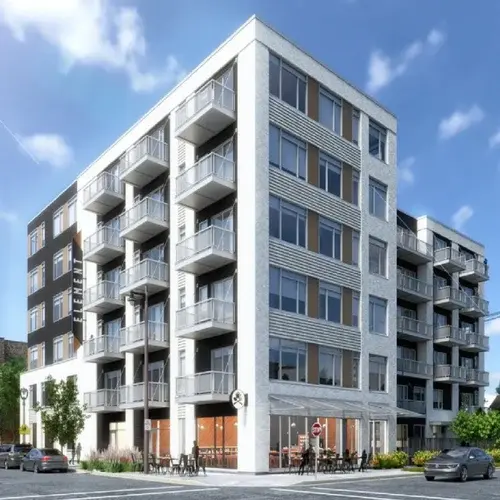
At Wexford Insurance, we’ve worked with property owners across Texas who were surprised how quickly a claim can escalate. One hailstorm in North Texas, a burst pipe during a winter freeze like the one in February 2021, or a slip-and-fall at a pool area can all result in significant financial impact.
That’s why one of the most common questions we hear is: how much does apartment insurance cost in Texas?
Nate Jones, CPCU, ARM, CLCS, AU—our agency principal and former underwriting manager—puts it this way: “Texas apartment insurance isn’t just about standard coverage. The combination of weather volatility, tenant density, and legal exposure makes it one of the more nuanced risks we insure.”
Let’s break down what you can expect to pay—and what actually drives those costs in Texas.
Average Cost of Apartment Insurance in Texas
Apartment insurance is a combination of policies designed to protect your building, tenants, employees, and income stream. Below are realistic estimated ranges based on Texas properties we help insure.
General liability insurance protects you if tenants, guests, or vendors are injured on your property.
Estimated Cost:
$85 to $250 per month
$1,020 to $3,000 annually
Common Texas claims include:
Slip-and-falls at pool areas or walkways
Injuries from broken railings or stairs
Parking lot accidents
At Wexford, we’ve seen liability claims spike in densely populated apartment communities in Houston and Dallas where foot traffic is higher.
Nate Jones, CPCU, ARM, CLCS, AU, typically recommends minimum $1M/$2M limits for Texas apartment owners due to the potential severity of liability claims.
Workers’ compensation insurance covers employee injuries—but Texas is unique because it is one of the only states where it is not mandatory for most private employers.
Estimated Cost:
$0.90 to $2.50 per $100 of payroll
Around $100 to $400 per month
However, opting out (called “non-subscriber” status) comes with risks:
Employees can sue for negligence
You lose certain legal protections
At Wexford, we almost always advise apartment owners with staff—especially in larger cities like Austin or San Antonio—to carry workers’ comp anyway for protection.
Commercial property insurance protects your buildings and physical assets, including:
Units and shared spaces
Electrical and plumbing systems
Roofing and exteriors
Appliances and fixtures
Estimated Cost:
$240 to $720 per month
$2,880 to $8,640 annually
Texas-specific cost drivers include:
Hailstorms in North Texas (Dallas/Fort Worth)
Hurricane exposure along the Gulf Coast (Houston, Corpus Christi)
Flood risk in FEMA flood zones
High rebuilding costs in major metro areas
You can learn more here: https://www.wexfordins.com/commercial-property-insurance
In Nate Jones’s experience as a former underwriting manager, roof condition and age are
some of the biggest pricing factors in Texas, especially in hail-prone regions.
Business Owner’s Policy (BOP)
A Business Owner’s Policy (BOP) bundles liability and property coverage.
Estimated Cost:
$280 to $620 per month
$3,360 to $7,440 annually
Best suited for:
Smaller apartment buildings
Owner-managed properties
Apartment-Specific Insurance Coverages
Additional coverage may include:
Umbrella liability insurance: $600 to $2,500 per year
Crime insurance: $150 to $700 annually
Equipment breakdown insurance: $250 to $1,000 annually
Flood insurance: varies significantly by location
At Wexford Insurance, we have seen firsthand that many Texas apartment owners underestimate flood exposure—especially in Houston and coastal areas.
What Factors Affect Apartment Insurance Costs in Texas?
Insurance pricing in Texas is highly variable due to regional risks and regulatory flexibility.
1. Location Within Texas
Dallas / Fort Worth → hail and severe storms
Houston → hurricanes and flooding
Austin → rapid growth and higher construction costs
Rural areas → lower liability but slower response times
2. Weather and Natural Disaster Exposure
Texas is one of the most weather-exposed states:
Hailstorms (North Texas)
Hurricanes (Gulf Coast)
Flash flooding
Extreme heat impacting building systems
3. Property Size and Tenant Density
More units = more exposure to liability and property claims.
4. Building Age and Construction Type
Older properties—especially those with outdated roofs or plumbing—cost significantly more to insure.
5. Claims History
At Wexford Insurance, we’ve seen properties struggle to get competitive pricing after multiple storm-related claims.
6. Safety Features and Upgrades
Modernized buildings with:
Updated roofs
Security lighting
Surveillance systems
tend to receive more favorable rates.
Texas-Specific Insurance Requirements for Apartment Businesses
Workers’ Compensation Laws in Texas
Texas does not require workers’ compensation for most private employers.
However:
Employers who opt out can be sued by injured employees
Many lenders and contracts require coverage
This is regulated by the Texas Department of Insurance:https://www.tdi.texas.gov
Texas Property and Landlord Laws
Texas landlords must comply with habitability standards under state law, requiring:
Safe structural conditions
Proper plumbing and electrical systems
Functioning HVAC (especially important due to Texas heat)
Failure to meet these requirements increases liability exposure.
Local Building Codes and Pool Regulations
Cities like:
Houston
Dallas
have strict building, fire safety, and pool regulations. Non-compliance can:
Increase claims risk
Affect insurability
Flood Insurance Considerations
Flood insurance is not included in standard property policies. If your property is in a FEMA-designated flood zone, separate coverage is required.
In coastal and low-lying regions, this is often mandatory from lenders.
Typical Coverage Expectations
Most Texas apartment owners carry:
General liability insurance ($1M or higher)
Commercial property insurance at replacement cost
Workers’ comp (recommended, even if optional)
Flood insurance (if applicable)
Umbrella coverage for additional protection
How to Lower Your Apartment Insurance Costs in Texas
Managing insurance costs starts with risk control.
Bundle coverage into a Business Owner’s Policy (BOP)
Upgrade roofing to withstand hail damage
Install proper drainage systems to reduce flood risk
Maintain HVAC systems to prevent failures in extreme heat
Improve lighting and security features
Increase deductibles strategically
Work with an independent agency like Wexford to shop carriers
One of the most common mistakes Nate Jones CPCU, ARM, CLCS, AU sees apartment owners make is ignoring regional risk.“ You can’t insure a Houston property the same way you insure one in Dallas. Weather drives everything in Texas,” he says.
Apartment Insurance in Texas: FAQs
Is apartment insurance required by law in Texas?
No, but lenders and property managers almost always require it. Workers’ comp is optional, but strongly recommended.
Why is insurance more expensive in Texas?
Severe weather—especially hail, hurricanes, and flooding—drives higher property insurance costs compared to many other states.
What is the biggest risk for Texas apartment owners?
The biggest risks include:
Storm damage (hail and hurricanes)
Flooding
Liability claims from tenants
Can I opt out of workers’ compensation in Texas?
Yes, but doing so exposes you to lawsuits from injured employees and removes certain legal protections.
Do I need flood insurance for my apartment property?
If you’re in a flood-prone area, absolutely. Standard property insurance does not cover flooding.
Why Texas Apartment Owners Choose Wexford Insurance
At Wexford Insurance, we specialize in protecting investment properties—including apartment complexes across high-risk states like Texas.
Our agency was founded by Nate Jones, CPCU, ARM, CLCS, AU, a graduate of Indiana State University with extensive experience as an underwriting manager. That background gives us a deep understanding of how insurance companies evaluate risk.
As a Trusted Choice independent agency, we are not tied to one carrier. We shop multiple top-rated insurers to build customized policies for your property.
At Wexford Insurance, we’ve helped apartment owners:
Reduce premiums through better risk profiles
Navigate storm-related claims
Structure coverage for long-term stability
You’re not just buying insurance—you’re building a risk management strategy.
Get an Apartment Insurance Quote in Texas Today
If you own or manage an apartment property in Texas, having the right insurance program is essential to protecting your investment and your income.
Let our team help you get it right.

Wexford Insurance Address 107 N State Road 135, STE 304,Greenwood, IN 46142
Call 317-942-0549 or visit www.wexfordins.com. We will compare multiple carriers and help you secure the right protection at the best possible price.


