
Heat & Chemical Protection Gear Pest Techs Use
Pest control might look simple from the outside. Spray a little chemical, deal with a few bugs, move on with your day. In reality, technicians are constantly exposed to heat, toxic chemicals, and unpredictable environments that would make most office workers immediately reconsider all their life choices.

That’s why proper heat and chemical protection gear isn’t optional. It’s survival equipment. Not dramatic. Just reality.
Below is a breakdown of the essential PPE pest control technicians rely on, along with Amazon-friendly product suggestions and why each piece matters in the field.
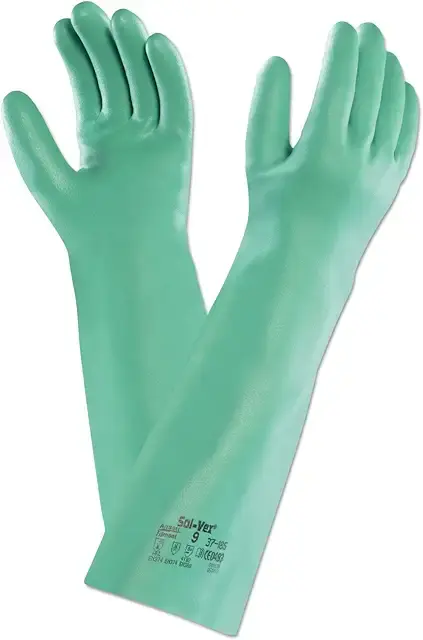
Chemical-Resistant Gloves (Your First Line of Defense)
Hands are doing most of the work in pest control—mixing chemicals, spraying, handling contaminated materials. That means they’re also the first thing getting exposed.
Good chemical-resistant gloves prevent absorption of pesticides, solvents, and cleaning agents through the skin.
What to look for:
Nitrile or neoprene material
Long cuff design for wrist protection
Textured grip for wet environments
Recommended Amazon search options:

Respirators & Masks
Pest control chemicals can become airborne faster than a bad business decision. Without proper respiratory protection, technicians risk inhaling pesticide mist, fumes, and dust particles.
What to look for:
NIOSH-approved respirators
Replaceable cartridges for organic vapors
Secure facial seal
Recommended Amazon options:

Chemical-Resistant Coveralls (The Disposable Armor)
Coveralls act like a barrier between you and whatever you just sprayed, stepped in, or accidentally leaned against.
They’re especially important when dealing with high-toxicity pesticide applications or fumigation work.
What to look for:
Tyvek or similar polypropylene material
Hooded design
Elastic wrists and ankles
Recommended Amazon products:

Chemical-Resistant Boots
Pest techs work in crawl spaces, wet yards, basements, and places that look like they haven’t seen sunlight since the invention of electricity.
Regular boots? Not enough.
What to look for:
PVC or rubber construction
Slip-resistant soles
Waterproof chemical barrier
Recommended Amazon options:

Heat Protection Gear
Heat exposure is a serious issue for pest control technicians working outdoors or in poorly ventilated spaces. Combine heat stress with PPE layers, and things get dangerous fast.
What to look for:
Cooling vests or moisture-wicking base layers
UV-protection shirts
Breathable PPE layering system
Recommended Amazon options:

Eye Protection
Chemical sprays don’t politely ask before drifting into your eyes. Goggles are non-negotiable.
What to look for:
Anti-fog coating
Chemical splash resistance
Wide seal coverage
Recommended Amazon options:

Why Proper PPE Isn’t Just Safety—It’s Business Protection
Here’s where most small pest control operators mess up: they treat PPE as an expense instead of risk management.
One chemical exposure incident can lead to:
Medical claims
Worker compensation issues
OSHA violations
Lawsuits
Business interruption
And suddenly that “cheap gloves from the hardware store” decision doesn’t feel so smart.
Insurance for Pest Control Businesses
Even with the best PPE, accidents still happen. Chemicals spill. Equipment fails. Humans make mistakes.

That’s where proper insurance coverage comes in.
If you’re running a pest control business, having tailored coverage isn’t optional—it’s what keeps one bad day from becoming a business-ending event.
Wexford Insurance specializes in commercial coverage for contractors and service businesses, including pest control operators. If you want a quote or just want to understand your risk exposure better, you can reach out at 317-942-0549 or visit www.wexfordins.com.
Final Thoughts
Heat and chemical protection gear isn’t about overreacting. It’s about not turning a routine job into a medical emergency.
Gloves, respirators, coveralls, boots, and cooling systems form the baseline. Everything else is optional—until it isn’t.
And if you’re smart enough to invest in PPE, you’re smart enough to protect the business behind it too.


