
Funeral Home Insurance: A Complete Guide for Funeral Directors
Running a funeral home is about serving families during some of the most difficult moments of their lives. But behind the calm and care, there are serious business risks that many people don’t think about until something goes wrong.
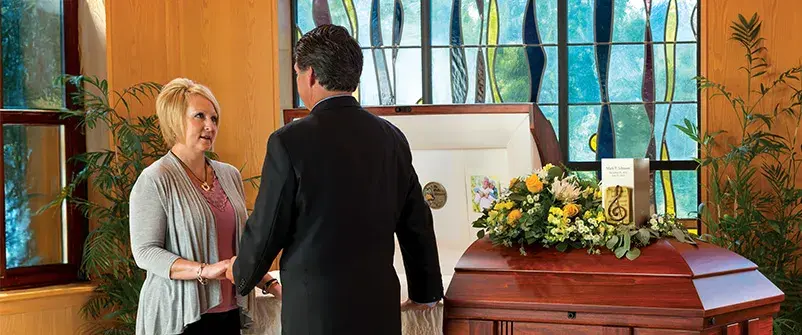
That’s where funeral home insurance comes in. Funeral home insurance helps protect funeral directors, staff, and facilities from financial loss caused by accidents, lawsuits, property damage, and other unexpected events. Whether you manage a small family-owned mortuary or a larger funeral service business, having the right coverage is essential for long-term stability.
In this guide, we’ll break down what funeral home insurance includes, why it matters, and how to choose the right coverage for your business.
What Is Funeral Home Insurance?
Funeral home insurance is a package of business insurance policies designed specifically for funeral service providers, mortuaries, and cremation businesses. It typically combines several types of coverage into one plan.
Common searches for this topic include:
funeral directors' insurance coverage
mortuary insurance coverage
crematory insurance needs
liability insurance for funeral homes
embalming liability insurance coverage
Instead of one single policy, funeral home insurance is usually a bundle that may include general liability, professional liability, commercial property insurance, and workers’ compensation.
Each funeral home is different, so coverage is usually customized based on services offered, number of employees, and property owned.
For reference on workplace safety standards that can affect insurance needs, you can review OSHA guidance here: https://www.osha.gov
Why Funeral Homes Need Insurance
Funeral homes face unique risks that go beyond a typical small business.
Here are a few reasons insurance is important:
Families trust funeral homes with emotional and sensitive services
Staff handle hazardous materials and chemicals during preparation services
Buildings often include chapels, viewing rooms, and embalming facilities
Vehicles are used for transporting remains
Legal liability risks exist if something goes wrong during services
Even a small mistake or accident could lead to legal claims, property damage costs, or reputational harm. Insurance helps absorb those financial shocks so the business can continue operating.
What Does Funeral Home Insurance Typically Cover?
Funeral home insurance is not a single policy. It is a combination of coverages that protect different parts of the business.
General liability insurance may help cover claims if a third party is injured on your property or if property damage occurs due to your operations.
For example:
A visitor slips in a hallway
Property damage occurs during a service event
This is one of the most basic and important coverages for funeral directors.
Also known as errors and omissions (E&O) insurance, this coverage may protect against claims related to professional mistakes.
Examples include:
Incorrect handling of service arrangements
Documentation errors
Miscommunication during funeral planning
This coverage helps protect the physical location of the funeral home.
It may include:
The building itself
Furnishings and equipment
Embalming rooms and preparation areas
Chapel and viewing spaces
Covered events often include fire, theft, or certain types of storm damage.
If employees are injured or become ill while working, workers’ compensation may help cover:
Medical expenses
Lost wages
Rehabilitation costs
This coverage is required in most U.S. states when a business has employees.
Many funeral homes operate hearses, transport vans, or service vehicles. Commercial auto insurance may cover:
Accidents involving company vehicles
Damage to vehicles
Liability if others are injured in an accident
Crime and Fidelity Coverage
Funeral homes sometimes handle payments and valuable items. Crime coverage may help protect against:
Employee theft
Fraud
Forgery

What Does Funeral Home Insurance Cover?
In simple terms, funeral home insurance may cover financial losses from accidents, lawsuits, property damage, employee injuries, and operational risks related to funeral services.
Depending on the policy, it can help protect:
Your funeral home building and equipment
Employees and visitors
Vehicles used for business purposes
Professional services and administrative errors
Financial losses from theft or fraud
However, every policy is different. Coverage depends on your insurer, your location, and the specific services your funeral home provides. That’s why it’s important to work with a licensed insurance agent who understands the funeral industry.
For more industry insight and standards, the National Funeral Directors Association is a helpful resource: https://nfda.org
Factors That Affect Funeral Home Insurance Costs
Insurance costs for funeral homes vary widely. Several factors influence what a business may pay.
Key factors include:
Size of the funeral home and building value
Number of employees
Services offered (burial, cremation, transportation, etc.)
Vehicle fleet size
Claims history
Location and local risk environment
In general, larger funeral operations or those offering more specialized services may see higher premiums. Smaller, low-risk operations may pay less, but coverage needs still matter just as much.
The best way to understand cost is to compare tailored quotes based on your actual business operations.
Common Risks Funeral Homes Face
Funeral homes deal with risks that are both physical and emotional in nature.
Some common risks include:
Slips, trips, and falls inside the facility
Vehicle accidents during transportation services
Equipment malfunction in preparation areas
Exposure risks related to chemicals used in embalming
Professional disputes with families
Property damage from fire or weather events
Even with careful operations, accidents can still happen. Insurance helps ensure these risks don’t turn into major financial setbacks.
How to Choose the Right Funeral Home Insurance Coverage
Choosing the right coverage is not just about checking boxes. It’s about understanding your business.
Here are a few steps to guide you:
Identify your services: cremation, burial, transportation, or all of the above
Review your property and equipment value
Consider how many employees you have
Evaluate your vehicle usage
Think about worst-case scenarios and liability risks
Then, work with an insurance professional who understands funeral home insurance and can help tailor a plan.
A strong policy should grow with your business and adapt as your services expand.
Frequently Asked Questions
Is funeral home insurance required by law?
Some parts of funeral home insurance, like workers’ compensation and commercial auto insurance, may be required depending on your state and business structure. Other coverages are strongly recommended but not legally required.
What does funeral home insurance usually not cover?
Most policies do not cover intentional illegal acts, wear and tear, or certain excluded disasters unless additional coverage is purchased.
Do small funeral homes need insurance?
Yes. Even small funeral homes face risks such as liability claims, property damage, and employee injuries. Insurance is important regardless of size.
Can funeral home insurance cover cremation services?
Yes, many policies can be tailored to include cremation operations, but coverage details depend on how your business is structured.
How do I get funeral home insurance?
The best way is to speak with a licensed insurance agent who can assess your operations and provide customized coverage options.
Final Thoughts
Funeral homes carry a unique responsibility to families, staff, and the community. The right insurance coverage helps protect that responsibility by reducing financial risk and supporting stable operations.
Because every funeral home is different, there is no one-size-fits-all policy. Coverage should always be tailored to your services, location, and business size.
If you’re exploring funeral home insurance for your business, Wexford Insurance can help you compare options and build a policy that fits your needs.
Contact a licensed agent today at 317-942-0549 or visit www.wexfordins.com to request a free, no-obligation quote.


