
Electronic vs Mechanical Rodent Traps for Contractors
A Pest Control Business must choose rodent traps based on location, infestation severity, safety concerns, and service efficiency. Electronic traps offer hands‑free operation and reduced contact, while mechanical traps provide reliability and flexibility without power requirements. Understanding the strengths and limitations of both options helps contractors select the most effective approach for residential and commercial rodent control. Below are electronic and mechanical rodent traps commonly used by professional pest control contractors.

This electronic trap delivers a high‑voltage shock designed to kill rats quickly and humanely. Pest control contractors use it in indoor environments where reduced physical contact and discreet operation are preferred.

This electronic rodent trap delivers a high‑voltage shock designed to eliminate rats and mice quickly in indoor environments. Pest control contractors use it in locations where reduced physical contact and discreet operation are preferred, such as homes, offices, and enclosed commercial spaces.

This heavy‑duty mechanical snap trap provides strong trigger sensitivity and fast capture. Pest control professionals use it for reliable control in basements, exterior perimeters, and commercial facilities without relying on batteries.

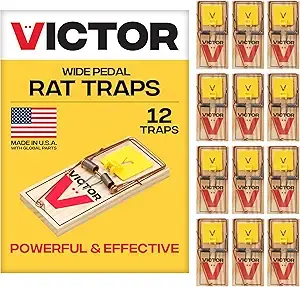
This traditional mechanical snap trap is widely used for high‑activity rodent areas. Contractors value its simplicity, durability, and effectiveness across a wide range of residential and commercial settings.
These extra‑sticky glue traps are used primarily for monitoring rodent activity and supplemental control. Pest control technicians place them to confirm movement patterns and support treatment decisions in sensitive indoor environments.

Which Trap Type Is Best for Contractors?
Electronic traps are often chosen for indoor placements where reduced handling and discreet control are priorities. Mechanical traps remain the preferred option for most professional contractors due to their reliability, versatility, and lack of power dependence. Many pest control businesses use both, selecting the trap type based on site conditions, client preferences, and infestation severity.
Protecting Your Pest Control Business
Effective rodent control tools protect properties, but protecting your business is just as important as choosing the right traps. The right coverage helps safeguard your equipment, your team, and your long‑term growth.

Pest Control Business Insurance may include:
Professional Liability
General liability
Property and contractors equipment insurance
Workers compensation insurance
Having the right coverage helps safeguard your tools, crew, and business growth.
👉 Click here to get a fast no‑obligation quote from Wexford Insurance.


