
Dump Truck Insurance in Texas: Coverage and Cost Factors
If you own or operate a dump truck in Texas, you already know that one accident, breakdown, or claim can have a major impact on your business. The right insurance helps protect your truck, your finances, and your ability to keep working when unexpected problems happen.
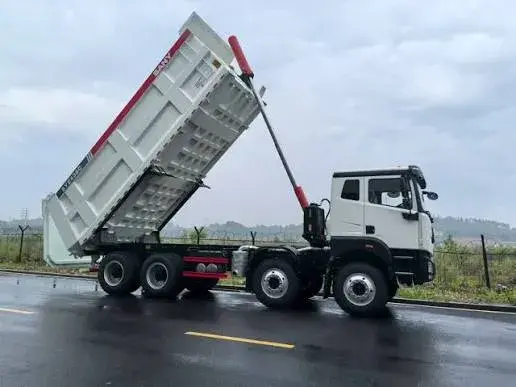
Whether you're an independent owner-operator or manage a growing fleet, understanding dump truck insurance in Texas can help you make smarter decisions. In this guide, we'll explain the coverages many businesses choose, what affects insurance costs, and practical ways to find the right protection for your operation.
At Wexford Insurance, we've worked with contractors and service businesses across the country, helping them understand commercial insurance without unnecessary complexity. Our goal is to help you make informed decisions based on your business's unique needs.
What Is Dump Truck Insurance?
Dump truck insurance is a collection of commercial insurance policies designed to help protect businesses that own or operate dump trucks.
Because dump trucks are used in demanding environments like construction sites, road projects, quarries, and material hauling, they often face different risks than standard commercial vehicles.
Depending on your operation, a policy may include:
Commercial Auto Liability Insurance
Physical Damage Coverage
General Liability Insurance
Motor Truck Cargo Coverage (when appropriate)
Workers' Compensation Insurance
Umbrella Liability Insurance
Non-Trucking Liability (for certain owner-operators)
The exact coverage depends on the work you perform, where you operate, and your business structure.
What Does Dump Truck Insurance Typically Cover?
While every policy is different, many dump truck insurance packages may include the following protections.
This coverage may help pay for bodily injury or property damage if your dump truck is involved in an accident and your business is legally responsible.
Texas requires commercial vehicles to carry minimum liability insurance, but the required limits can vary depending on the type of vehicle and how it is operated.
Physical damage insurance generally includes:
Collision coverage
Comprehensive coverage
These coverages may help repair or replace your truck after events such as:
Traffic accidents
Theft
Fire
Vandalism
Hail
Falling objects
Since Texas frequently experiences severe hailstorms and strong wind events, many contractors choose this protection for newer or financed trucks.
General liability protects your business against many common third-party claims that happen away from your truck.
Examples may include:
Damage to customer property
Certain job site accidents
Legal defense costs for covered claims
If you have employees, workers' compensation may help cover medical expenses and lost wages after work-related injuries, depending on state rules and your policy.
Requirements vary by business and industry, so speak with a licensed agent about your obligations.
Umbrella Liability
Large claims can exceed the limits of your primary liability policy.
An umbrella policy provides additional liability protection above qualifying underlying policies, helping businesses manage larger financial risks.

What Affects Dump Truck Insurance Costs in Texas?
One of the most common questions business owners ask is:
"How much does dump truck insurance cost in Texas?"
The honest answer is that costs vary widely. Many factors influence your premium, and no two businesses are exactly alike.
Some of the biggest factors include:
Type of Work
Insurance companies generally consider what materials you haul.
For example:
Dirt
Gravel
Sand
Asphalt
Demolition debris
Concrete
Scrap materials
Certain operations may present higher risks than others.
Vehicle Value
Newer trucks typically cost more to repair or replace.
Higher truck values often mean higher physical damage premiums.
Driving Radius
A truck operating only around Austin may present different risks than one regularly traveling throughout Texas or across state lines.
Longer routes generally mean more time on the road and greater exposure to accidents.
Driver Experience
Experienced drivers with clean driving records are often viewed more favorably than drivers with recent violations or accidents.
Many insurers review:
Commercial driving history
CDL experience
Previous claims
Safety violations
Business Experience
Established companies with consistent operations may receive more favorable pricing than newly formed businesses, depending on other underwriting factors.
Claims History
Previous insurance claims can influence future premiums.
A business with multiple recent losses may pay more than one with a strong safety record.
Coverage Limits
Higher liability limits and additional optional coverages usually increase premium costs while providing broader financial protection.
Texas-Specific Risks for Dump Truck Businesses
Texas is one of the busiest construction markets in the country. Rapid population growth and ongoing infrastructure projects create steady demand for dump trucks.
However, they also create additional insurance risks.
Common Texas exposures include:
Heavy highway traffic in Houston, Dallas, Austin, and San Antonio
Severe thunderstorms
Hail damage
Flash flooding
Extreme summer heat
Road construction zones
Expensive vehicle repairs
Businesses working in the Permian Basin or other oil and gas regions may also experience different operating conditions than contractors working primarily in urban areas.
Understanding these regional risks helps you choose insurance that better matches your operation.
For additional workplace safety guidance, the Occupational Safety and Health Administration (OSHA) offers valuable resources for construction employers and commercial vehicle operators: https://www.osha.gov.
How Can You Lower Dump Truck Insurance Costs?
While insurance is a necessary expense, there are several ways many businesses work to control costs.
Hire Qualified Drivers
Drivers with strong safety records often present lower risk.
Screen applicants carefully and regularly review motor vehicle records.
Maintain Your Equipment
Routine inspections and preventive maintenance can reduce breakdowns and help prevent accidents.
Keep maintenance records organized.
Implement Safety Programs
Written safety policies demonstrate your commitment to reducing risk.
Topics may include:
Daily inspections
Defensive driving
Load securement
Driver training
Drug and alcohol policies
Review Coverage Every Year
Businesses change.
Adding trucks, hiring employees, or expanding services may require updates to your insurance program.
An annual policy review helps ensure your coverage continues to match your business.
Bundle Business Insurance
Many contractors combine multiple business policies with one agency for convenience and, depending on the insurer, potential pricing advantages.
Every business is different, so discuss available options with your insurance advisor.
What Coverage Do Texas Dump Truck Operators Usually Need?
The right insurance depends on your business, but many Texas dump truck operators carry a combination of:
Commercial auto liability
Physical damage coverage
General liability insurance
Workers' compensation (when applicable)
Umbrella liability
Equipment coverage
Hired and non-owned auto coverage (if needed)
Businesses hauling specialized materials or operating under contracts may have additional insurance requirements.
A licensed insurance agent can help review your contracts and operations to identify appropriate coverage options.
Why Texas Contractors Choose Wexford Insurance
Commercial trucking isn't one-size-fits-all.
At Wexford Insurance, we understand that dump truck operators often work in construction, excavation, paving, landscaping, demolition, and material hauling. Each business has different risks that deserve careful attention.
As a Trusted Choice independent agency, Wexford works with a network of insurance companies, allowing us to compare options based on your operation rather than trying to fit every business into the same solution.
Why Working With a Licensed Agent Matters
Commercial truck insurance is rarely simple.
The type of truck you operate, your hauling radius, employee drivers, contracts, cargo, and business structure all influence the insurance solutions that may fit your needs.
Working with a licensed commercial insurance agent helps ensure you're evaluating more than just price. Coverage details, exclusions, deductibles, and policy limits all matter when protecting your business.
You can also learn more about commercial vehicle insurance and consumer resources through the Texas Department of Insurance at https://www.tdi.texas.gov.
Frequently Asked Questions
Is dump truck insurance required in Texas?
Commercial vehicles generally must carry liability insurance that meets applicable Texas and federal requirements when relevant. Requirements vary based on your operation, so confirm current regulations with the Texas Department of Insurance and your licensed insurance agent.
How much does dump truck insurance cost in Texas?
Costs vary significantly depending on your truck, driving history, business operations, coverage selections, location, and other underwriting factors. A personalized quote provides the most accurate estimate.
Does insurance cover damage to my dump truck?
If you carry physical damage coverage, your policy may help pay for repairs or replacement after covered losses such as collisions, theft, hail, or vandalism, subject to your policy's terms and deductible.
Can owner-operators get dump truck insurance?
Yes. Many owner-operators purchase commercial truck insurance tailored to their specific business operations and contractual requirements.
What information is needed for a quote?
Most insurers will request details about your business, truck information, driver history, operating radius, years in business, and the type of materials you haul.
Get a Free Dump Truck Insurance Quote
Whether you operate one dump truck or manage an expanding fleet across Texas, having the right insurance starts with understanding your business.
The experienced team at Wexford Insurance can review your operation, explain your coverage options, and help you compare policies that fit your needs. Contact Wexford Insurance today to request a free, no-obligation quote from a licensed agent.

