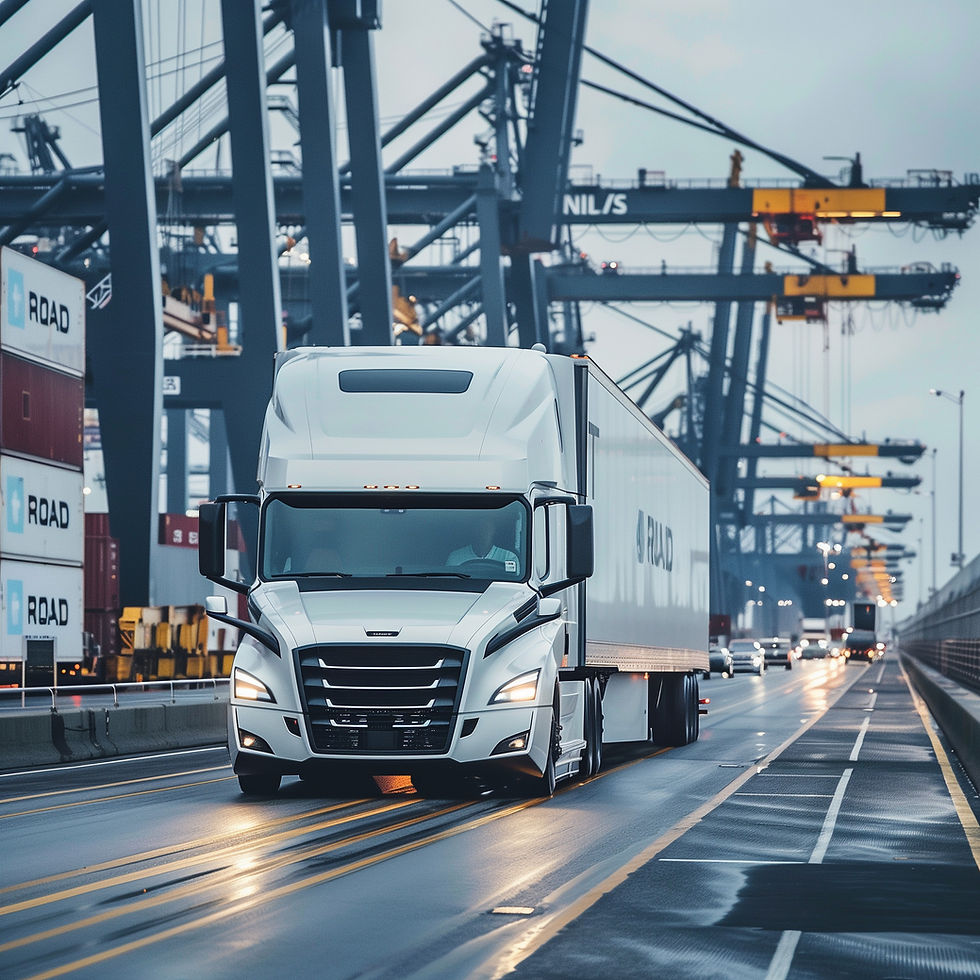
Commercial Box Truck Insurance: What Owner-Operators Actually Need
Running a box truck business comes with real risk. One accident, cargo loss, or lawsuit could hit your finances hard. That’s why understanding commercial box truck insurance—and what you actually need—is critical before you hit the road.
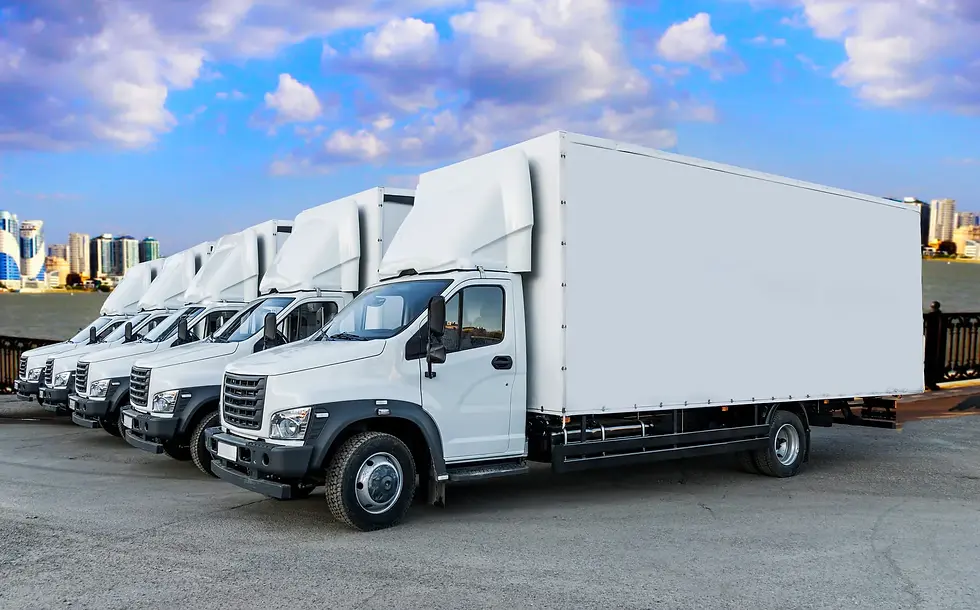
If you're an owner-operator, this guide breaks it down in plain language so you can make smart choices without getting overwhelmed.
What Is Commercial Box Truck Insurance?
Commercial box truck insurance is a type of business insurance designed for trucks used to transport goods. It helps protect you financially if something goes wrong while operating your vehicle for work.
Unlike personal auto insurance, commercial policies are built for business risks. They typically include higher liability limits and additional coverage options that reflect how you actually use your truck.
Whether you're hauling furniture, delivering appliances, or moving materials to job sites, your coverage should match your daily operations.
For a general overview of commercial vehicle requirements, you can also review guidance from the FMCSA here:https://www.fmcsa.dot.gov/registration/insurance-filing-requirements
What Owner-Operators Actually Need (Quick Answer)
If you're looking for the simple version, most box truck owner-operators need:
Commercial auto liability insurance (required in most states)
Physical damage coverage (for your truck)
Cargo insurance (to protect what you transport)
General liability insurance (for non-driving risks)
Non-trucking liability (if you're leased to a motor carrier)
The exact mix depends on how you operate, who you work with, and where you’re based. A licensed agent can help tailor it to your business.
Key Coverages Explained
Understanding the main coverage types helps you avoid gaps that could cost you heavily later.
Commercial Auto Liability
This is the foundation of any commercial truck insurance policy. It may cover:
Injuries to others if you cause an accident
Damage to someone else’s property
Most states require minimum liability limits, but many contracts and brokers require higher limits to work with them.
Physical Damage Coverage
This coverage protects your own truck. It typically includes:
Collision coverage – damage from accidents
Comprehensive coverage – theft, fire, vandalism, and weather-related damage
If you financed your box truck, your lender will usually require this coverage.
Cargo insurance protects the goods you're transporting. This is especially important if:
You work under contracts that require coverage
You transport high-value items
You want to avoid paying out of pocket for damaged goods
Coverage varies depending on what you're hauling, so make sure your policy matches your cargo type.
This covers risks outside of driving. For example:
A customer slips while visiting your loading area
You accidentally damage property during a delivery
It’s often overlooked but very important for owner-operators who interact with customers regularly.
If you’re leased to a motor carrier, you might need this coverage. It may protect you when you're using your truck for personal use outside of dispatch.
Similar to non-trucking liability, bobtail insurance may apply when you're driving without a trailer attached, often between jobs.

How Much Does Commercial Box Truck Insurance Cost?
One of the most common questions is cost—and the honest answer is: it varies widely.
Many small operators see annual premiums ranging from several thousand dollars to higher, depending on their situation. However, your actual cost depends on several factors:
Driving history
Type of cargo
Coverage limits
Truck value and age
Business location
Years of experience
Claims history
Higher-risk operations or hauling specialized cargo may increase your premium. On the other hand, a clean driving record and stable business history can help reduce costs.
For more general information on how insurance pricing works, you can review this NAIC consumer resource:
The best way to get accurate pricing is to request a customized quote.
Best Insurance for Box Truck Owner-Operators
When searching for the best insurance for box truck owner-operators, it’s not about one “perfect” policy—it’s about the right combination of coverage.
Here’s what to focus on:
Match Coverage to Your Work
Your risk changes depending on what you do. For example:
Local delivery has different risks than long-haul routes
Moving services may need higher cargo coverage
Contractor delivery may require additional liability protection
Review Contract Requirements
If you work with brokers or motor carriers, they often set minimum insurance requirements. Missing one requirement could cost you work.
Don’t Cut Corners on Liability
It can be tempting to choose the lowest required limits, but serious accidents can exceed those limits quickly. Many businesses choose higher limits for added protection.
Work With a Specialist
An agent who understands trucking and contractor risks can help you avoid coverage gaps and explain what endorsements (add-ons) you actually need.
Additional Coverage Options Worth Considering
Depending on your business model, these optional coverages may be helpful:
Uninsured/underinsured motorist coverage – protects you if another driver lacks enough insurance
Rental reimbursement – helps cover temporary vehicle costs if your truck is out of service
Downtime coverage – may help offset lost income during repairs
Trailer interchange coverage – if you use trailers you don’t own
Not every operator needs these, but they’re worth discussing with your agent.
Common Mistakes Owner-Operators Make
Even experienced operators can miss key details when setting up their insurance.
Here are a few common mistakes to avoid:
Choosing Coverage Based Only on Price
Cheaper policies often mean lower limits or missing coverages. That can backfire during a claim.
Not Disclosing How the Truck Is Used
Be honest about your operations. Misrepresenting usage can lead to denied claims depending on the policy terms.
Overlooking Cargo Exclusions
Not all cargo is covered automatically. Certain goods may require special endorsements.
Letting Coverage Lapse
Even a short gap in coverage can cause issues with contracts, licensing, and claims eligibility.
How to Get the Right Policy
Finding the right commercial box truck insurance doesn’t need to be complicated.
Here’s a simple process:
List your operations – what you haul, where you go, and who you work with
Know your truck details – VIN, value, modifications
Gather driver information – experience and driving records
Review contracts – identify insurance requirements
Talk to a licensed agent – get guidance tailored to your business
This approach helps ensure your coverage fits your real-world risks.
Why Insurance Matters for Your Business
Your truck is your income. One incident could put your entire operation at risk.
The right insurance helps you:
Stay compliant with state and contract requirements
Protect your assets and earnings
Build trust with clients and brokers
Keep your business running after unexpected events
It’s not just about checking a box—it’s about protecting your livelihood.
FAQs
Do I need commercial insurance for a box truck?
Yes, in most cases. If you use your box truck for business, personal auto insurance typically will not apply. Commercial coverage is usually required.
What type of insurance is required for box trucks?
At minimum, most states require commercial auto liability insurance. Additional coverage may be required by lenders, brokers, or clients.
Is cargo insurance required for owner-operators?
It depends on your contracts and what you haul. Many brokers and clients require cargo coverage, especially for valuable goods.
Can I use personal insurance for my box truck?
Generally, no. Personal policies are not designed for business use and may not cover claims that occur during work-related activities.
How can I lower my box truck insurance cost?
You may be able to lower costs by maintaining a clean driving record, choosing appropriate coverage limits, bundling policies, and working with an experienced agent who understands your business.
Get a Quote for Commercial Box Truck Insurance
Every box truck operation is different. The right coverage depends on how you run your business, what you haul, and where you operate.
If you want help building a policy that actually fits your needs, Wexford Insurance can help.
Call 317-942-0549 or visit https://www.excavatinginsurancepartners.com/ to request a free quote and speak with a licensed agent.