
Cleaning Business Insurance in Florida: A Complete Guide
Starting or growing a cleaning business in Florida can be a great opportunity. Whether you clean homes, offices, medical facilities, vacation rentals, or commercial properties, demand for professional cleaning services remains strong throughout the state.
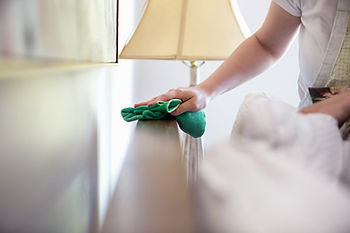
However, every cleaning business also faces risks. Employees can get injured, customer property can be damaged, cleaning chemicals may cause accidents, and vehicles transporting supplies can be involved in collisions. That's why understanding cleaning business insurance in Florida is essential. The right insurance program may help protect your business from financial losses while helping you meet client and contract requirements.
Why Cleaning Businesses Need Insurance
Many business owners assume cleaning is a low-risk profession compared to construction or other trades. In reality, cleaning companies enter customer properties every day, handle specialized products, and work in environments where accidents can happen.
Common cleaning services include:
Residential house cleaning
Commercial janitorial services
Office cleaning
Vacation rental cleaning
Medical office cleaning
Post-construction cleanup
Retail facility cleaning
With these services come potential risks such as:
Slip-and-fall accidents
Property damage claims
Employee injuries
Equipment theft
Vehicle accidents
Chemical-related incidents
Insurance helps cleaning businesses prepare for unexpected situations that could otherwise threaten their operations.
Is Cleaning Business Insurance Required in Florida?
Florida does not require a single insurance policy called "cleaning business insurance."
However, certain coverages may be required depending on:
Whether you have employees
The contracts you sign
The properties you service
Your business structure
Vehicle ownership and use
Many commercial customers require proof of insurance before awarding cleaning contracts.
If your business has employees, workers' compensation requirements may apply depending on your operations. State requirements can change and vary by situation, so business owners should verify current obligations with state authorities and consult a licensed insurance professional.
For Florida workers' compensation information, visit:
What Is Cleaning Business Insurance?
Cleaning business insurance is typically a package of coverages designed to address multiple risks.
Depending on your operations, your insurance program may include:
General liability insurance
Workers' compensation insurance
Commercial auto insurance
Janitorial bonds
Tools and equipment coverage
Commercial property insurance
Umbrella liability insurance
Each coverage serves a different purpose and addresses different exposures.
General Liability Insurance for Cleaning Businesses
General liability insurance is often one of the most important policies a cleaning company can carry.
This coverage may help protect a business against certain third-party claims involving:
Property damage
Bodily injury
Legal defense costs for covered claims
Personal and advertising injury
Coverage depends on policy terms, exclusions, limits, and the circumstances of the claim.
Common General Liability Claims
Cleaning companies regularly work inside customer properties where accidents can occur.
Examples include:
A customer slips on a recently mopped floor.
A cleaning product damages expensive flooring.
Equipment accidentally breaks a window.
Furniture is damaged during cleaning services.
Depending on the claim and policy language, general liability insurance may help address covered losses.
Workers' Compensation Insurance
Cleaning work often involves repetitive physical activity, lifting, bending, and working with cleaning solutions.
Employees may face risks such as:
Back injuries
Slips and falls
Chemical exposure
Repetitive motion injuries
Lifting-related injuries
Workers' compensation insurance may provide benefits for covered workplace injuries and illnesses, depending on state requirements and policy terms.
For companies with employees, workers' compensation is often one of the most important coverages to discuss with an insurance advisor.
Commercial Auto Insurance
Many cleaning businesses depend on vehicles to transport workers, equipment, and supplies between customer locations.
Examples include:
Cars used for business purposes
Cargo vans
Pickup trucks
Cleaning service vehicles
Why Commercial Auto Coverage Matters
Business vehicle use creates exposures that may not be addressed by personal auto insurance policies.
Commercial auto insurance may help provide protection for covered claims involving:
Vehicle accidents
Property damage
Bodily injury liability
Legal expenses associated with covered losses
Coverage depends on policy conditions and coverage selections.
Janitorial Bonds and Employee Theft Concerns
Many customers ask cleaning companies whether they are bonded.
While bonding is different from insurance, it is often discussed alongside cleaning business insurance.
A janitorial bond may help address certain situations involving dishonest acts committed by covered employees, subject to bond terms and conditions.
Many commercial clients view bonding as an added level of professionalism and risk management.
Businesses should review bonding options carefully to understand exactly what protections are provided.
Tools and Equipment Coverage
Cleaning companies often own valuable equipment and supplies.
Examples include:
Commercial vacuums
Floor buffers
Carpet cleaning machines
Pressure washers
Cleaning supplies
Specialized tools
Tools and equipment coverage may help protect business property from certain covered causes of loss.
Coverage varies by policy and insurer.
Equipment Theft and Damage Risks
Cleaning equipment is often transported between jobsites or stored in vehicles.
This can increase the risk of:
Theft
Vandalism
Accidental damage
Transportation-related losses
Commercial Property Insurance
If your business owns or leases office space, storage facilities, or warehouses, commercial property insurance may be an important consideration.
Coverage may help protect:
Buildings
Furniture
Computers
Inventory
Supplies
Business personal property
Coverage depends on covered causes of loss, exclusions, limits, and policy provisions.
Umbrella Liability Insurance
Some cleaning companies choose umbrella liability insurance to provide additional liability protection above certain underlying policies.
This may be beneficial for businesses that:
Service large commercial facilities
Work in healthcare environments
Manage multiple cleaning crews
Maintain government contracts
Operate across multiple locations
Coverage availability varies by business and insurer.

Factors That Affect Cleaning Business Insurance Costs in Florida
One of the most common questions business owners ask is how much cleaning business insurance costs.
The answer depends on several factors.
Insurance companies may consider:
Number of employees
Annual revenue
Payroll
Types of cleaning services performed
Claims history
Vehicle usage
Equipment values
Coverage limits selected
Geographic service area
For example, a solo residential cleaning business may have different insurance needs than a large commercial janitorial company with multiple crews.
Because every business is different, costs vary by operation, carrier, and coverage selections.
Additional Risks Florida Cleaning Businesses Face
Florida presents unique challenges for service businesses.
Hurricane and Severe Weather Exposure
Florida businesses may face weather-related risks involving:
Hurricanes
Tropical storms
Heavy rain
Wind damage
These events can affect buildings, equipment, and operations.
Coverage depends on the cause of loss and policy language.
Vacation Rental Cleaning Services
Many Florida cleaning companies service short-term rentals and vacation properties.
This often means:
Frequent customer turnover
Tight schedules
Access to furnished properties
Increased property damage exposure
Each type of service can create different insurance considerations.
Healthcare and Specialized Cleaning
Some companies provide cleaning services for:
Medical offices
Dental clinics
Professional buildings
Educational facilities
Specialized operations may present different underwriting considerations than standard residential cleaning services.
Risk Management Tips for Cleaning Businesses
Insurance plays an important role, but reducing claims is equally important.
Train Employees Consistently
Training should cover:
Proper cleaning procedures
Chemical handling
Customer property protection
Ladder safety
Workplace hazard recognition
Use Warning Signs
Wet-floor signs and safety barriers can help reduce slip-and-fall risks.
Maintain Documentation
Keep records of:
Service agreements
Customer communications
Incident reports
Employee training
Documentation can help resolve disputes and support claim investigations.
Secure Equipment
Consider:
Locked storage areas
Vehicle security measures
Equipment inventories
Asset tracking systems
These steps may help reduce theft-related losses.
Why Commercial Clients Require Insurance
Many commercial property owners and management companies require proof of insurance before signing service contracts.
Requirements often include:
General liability insurance
Workers' compensation insurance
Commercial auto insurance
Certificates of insurance
Additional insured endorsements
Meeting these requirements can help cleaning businesses compete for larger contracts.
The U.S. Small Business Administration offers business risk management resources at:
Additional insurance education is available through the Insurance Information Institute:
Choosing the Right Cleaning Business Insurance Program
No two cleaning businesses are exactly alike.
A company focused on residential house cleaning may face different risks than a business specializing in:
Commercial janitorial services
Medical office cleaning
Post-construction cleanup
Vacation rental turnover services
Industrial facility cleaning
Working with a licensed insurance professional can help ensure your coverage is aligned with your business operations and contractual requirements.
Frequently Asked Questions
What insurance does a cleaning business need in Florida?
Many cleaning businesses consider general liability insurance, workers' compensation insurance, commercial auto insurance, tools and equipment coverage, commercial property insurance, and bonding. Coverage needs vary by business.
Is cleaning business insurance required in Florida?
Certain coverages may be required depending on your employees, contracts, and business activities. Business owners should verify current requirements with state authorities and their insurance professional.
Does general liability insurance cover damage caused by cleaners?
General liability insurance may help address certain third-party property damage claims, depending on the policy terms and circumstances of the loss.
Do cleaning companies need commercial auto insurance?
Businesses using vehicles for company operations often require commercial auto insurance because personal auto policies may not address many business-related exposures.
How much does cleaning business insurance cost in Florida?
Costs vary based on factors such as payroll, revenue, claims history, services performed, vehicle usage, equipment values, and selected coverage limits.
Protect Your Cleaning Business With the Right Coverage
Cleaning businesses in Florida face a wide range of risks, from slip-and-fall claims and property damage to employee injuries and equipment theft. The right insurance program can help support your operations and provide important financial protection as your business grows.
Because every cleaning company is unique, it's important to work with a licensed insurance professional who understands service business risks and contractual requirements.
Ready to review your cleaning business insurance options? Request a free, no-obligation quote from Wexford Insurance today:
The experienced team at Wexford Insurance can help cleaning contractors and service businesses explore insurance solutions tailored to their employees, vehicles, equipment, contracts, and long-term business goals.


