
Box Truck Insurance: Complete Cost & Coverage Guide for 2026
Running a box truck business means your income depends on staying on the road. One accident, theft, or cargo loss can bring work to a halt—and create serious financial stress. That’s why understanding box truck insurance is so important.
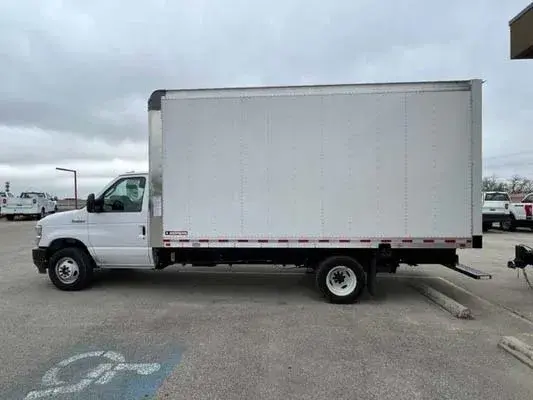
In this guide, we’ll break down what it costs, what it covers, and how to choose the right policy in 2026 so you can protect your business with confidence.
What Is Box Truck Insurance?
Box truck insurance is a type of commercial auto insurance built for vehicles used for business purposes, like straight trucks, cube vans, and delivery trucks.
Unlike personal auto insurance, this coverage is designed for the real risks contractors and service businesses face every day, including hauling cargo, making deliveries, and operating on tight schedules.
A typical policy combines several types of protection to help cover vehicle damage, liability claims, and more—depending on your needs.
If you want to better understand federal requirements for commercial vehicles, you can review the FMCSA overview here:
What Does Box Truck Insurance Cover?
Most box truck insurance policies include a mix of core coverages. The exact options depend on your business type, contracts, and state requirements.
This is the foundation of any commercial truck policy and is required in most states.
It may cover:
Injuries to other people if you’re at fault
Damage to someone else’s property
Without liability coverage, you likely can’t legally operate your truck for business.
Physical Damage Coverage
This coverage helps protect your truck itself.
It usually includes:
Collision: Damage from accidents
Comprehensive: Theft, fire, vandalism, or weather damage
If your truck is financed or leased, this coverage is often required by the lender.
Cargo insurance may protect the goods you’re transporting.
It can help cover:
Lost or damaged cargo
Theft during transit
This is especially important for businesses like movers, delivery contractors, and distributors. Many clients and brokers require it before assigning work.
Non-Trucking Liability (NTL)
If you use your truck outside of work, this coverage helps fill gaps.
It typically applies when:
You’re driving without a load
You’re not under dispatch
Owner-operators often need this to stay protected off the job.
This is separate from your auto policy but still important.
It may cover:
Injuries at a job site
Property damage not caused by driving
For example, if a customer trips while you’re making a delivery, general liability could come into play.
Additional Coverage Options
Depending on your business, you might also consider:
Uninsured or underinsured motorist coverage
Medical payments coverage
Trailer interchange insurance
Rental reimbursement
Downtime or lost income protection (varies by policy)
You can also review general insurance concepts for small businesses through the National Association of Insurance Commissioners here:
A licensed agent can help you decide which options make sense for your operation.

How Much Does Box Truck Insurance Cost in 2026?
Costs vary widely, but many small operators see annual premiums ranging from a few thousand dollars to significantly higher, depending on risk and coverage levels.
What Affects Your Insurance Cost?
Several factors influence pricing:
Driving history: Clean records generally lower your premium
Experience: New businesses often pay more at first
Cargo type: High-value or sensitive goods increase risk
Operating radius: Local routes vs. long-distance hauling
Truck value: More expensive trucks cost more to insure
Coverage limits: Higher limits mean higher premiums
Location: Rates vary by state and city
For example, a local contractor delivering tools may pay less than a long-haul operator transporting high-value electronics.
How to Reduce Your Insurance Costs
While you can’t eliminate risk, you can manage it.
Here are a few ways to help control costs:
Keep a clean driving record
Hire experienced, qualified drivers
Install safety features like dashcams and GPS tracking
Bundle multiple business policies
Choose appropriate coverage levels
Good risk management not only improves safety but can also make your business more attractive to insurers.
Who Needs Box Truck Insurance?
If you use a box truck for business, you likely need commercial insurance.
Common industries include:
Moving companies
Furniture and appliance delivery
Last-mile and Amazon DSP contractors
Landscaping and construction businesses
Catering and food distribution
Retail and wholesale delivery
Even independent contractors often need proof of insurance before working with brokers or companies.
How to Choose the Right Box Truck Insurance Policy
Finding the right coverage isn’t just about getting the lowest price—it’s about protecting your business.
Understand Your Risk
Start by looking at your operation:
What goods do you transport?
How far do you travel?
Do your contracts require specific coverage?
These factors shape your insurance needs.
Meet Contract Requirements
Many clients and brokers require:
Minimum liability limits
Specific cargo coverage amounts
Proof of insurance before dispatch
Make sure your policy meets these requirements so you don’t miss out on work.
Work with an Experienced Agent
Commercial trucking insurance can get complex.
A licensed agent can help you:
Compare coverage options
Identify gaps in protection
Build a policy tailored to your business
This is especially helpful if you plan to grow from one truck to multiple vehicles.
Common Mistakes to Avoid
Many small businesses try to save money early and end up taking on unnecessary risk.
Watch out for these common mistakes:
Choosing minimum coverage limits that don’t fully protect your business
Skipping cargo insurance when you transport goods
Forgetting to update your policy as your business grows
Misclassifying your operations or usage
The goal is to create a policy that fits your current needs—and can grow with you.
Owner-Operators vs. Small Fleets
Your setup affects the type of insurance you need.
Owner-Operators
Often need flexible policies
May require non-trucking liability
Frequently work under contracts
Small Fleets
Need coverage for multiple trucks and drivers
May benefit from bundled policies
Require more structured risk management
As your business expands, your insurance strategy should evolve with it.
How to Get a Box Truck Insurance Quote
Getting a quote is simple if you’re prepared.
You’ll usually need:
Driver license information
Truck details (make, model, VIN, value)
Type of cargo
Driving radius
Prior insurance history
Accurate information helps ensure your quote reflects your real risk.
FAQs About Box Truck Insurance
Is box truck insurance required?
In most states, liability insurance is required to operate a commercial vehicle. Additional coverage may be needed based on contracts or lenders.
Can I use personal auto insurance for a box truck?
No. Personal policies generally exclude business use. You need a commercial policy for work-related driving.
Does box truck insurance cover cargo?
Only if you carry cargo insurance. Standard policies do not automatically cover the goods you transport.
How can I lower my box truck insurance cost?
Maintaining a clean driving record, improving safety practices, bundling policies, and working with a knowledgeable agent can help reduce costs.
Do independent contractors need box truck insurance?
Yes. Most contractors must carry their own insurance to work with brokers, shippers, or large companies.
Protect Your Business the Right Way
Box truck insurance is more than a requirement—it’s a key part of protecting your income, equipment, and reputation. The right policy can help you stay on the road and focused on growing your business.
Because every operation is different, coverage and pricing will vary. It’s always best to speak with a licensed agent who understands your industry and can guide you toward the right solution.
Want help finding the right coverage?
Request a free, no-obligation quote from Wexford Insurance today and get expert guidance tailored to your business.

