Best Zip Walls and Dust Barriers for Restoration Contractors
- Aug 7
- 4 min read
Containment is a critical component of successful restoration work. Whether you're performing mold remediation, water damage restoration, fire damage cleanup, or demolition services, properly isolating the work area helps prevent cross-contamination, protect unaffected spaces, and maintain a professional jobsite.

Zip walls and dust barriers are among the most important containment tools restoration contractors use every day. These systems make it easier to create temporary barriers,
establish negative air environments, and provide controlled access to remediation areas.
In this guide, we'll review the best zip walls and dust barriers for restoration contractors and explain what to consider before investing in a containment system for your business.
Why Restoration Contractors Use Zip Walls and Dust
Barriers
Professional containment systems help contractors:
Prevent dust migration
Contain mold spores
Support negative air pressure setups
Isolate fire-damaged areas
Protect customer property
Improve jobsite safety
Meet remediation industry best practices
Create professional-looking containment zones
Reliable containment equipment can reduce cleanup time and improve overall project efficiency.
What to Look for in a Dust Barrier System
Before purchasing a containment system, consider these important factors.
Setup Speed
Fast installation allows technicians to spend more time on revenue-producing work.
Adjustability
Look for poles and systems that work with a variety of ceiling heights.
Durability
Commercial restoration work requires equipment that can withstand repeated use.
Accessibility
Zipper or magnetic door systems make movement in and out of containment areas much easier.
Reusability
Reusable containment systems often deliver better long-term value than disposable alternatives.
The ZipWall Dust Barrier Pole Kit is one of the most widely used containment systems in the restoration industry. Its telescoping design allows contractors to quickly create containment barriers using plastic sheeting.
Key Features
Adjustable telescoping poles
Quick setup and removal
Professional-grade construction
Compatible with standard poly sheeting
Reusable design
Best For
General mold remediation, water damage restoration, and renovation projects.

The heavy-duty version provides additional strength for larger projects and demanding commercial environments.
Key Features
Reinforced pole construction
Improved stability
Adjustable height capability
Reusable components
Professional containment performance
Best For
Large commercial restoration projects and extensive containment areas.

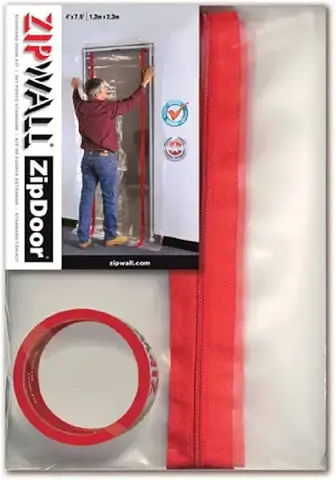
Every containment area requires controlled access, and this zipper door system provides a practical solution.
Key Features
Self-adhesive installation
Durable zipper construction
Fast setup process
Strong adhesion to poly sheeting
Professional appearance
Best For
Residential and commercial remediation containment systems.
This magnetic entry system improves accessibility while maintaining containment integrity during active projects.
Key Features
Hands-free operation
Durable reusable design
Quick installation
Improved workflow
Professional-grade construction
Best For
High-traffic restoration and remediation environments.

Benefits of Professional Dust Barrier Systems
Better Contamination Control
Containment barriers help prevent mold spores, dust, and debris from spreading throughout a structure.
Faster Jobsite Setup
Professional systems allow technicians to establish containment quickly and efficiently.
Improved Customer Confidence
Well-organized containment demonstrates professionalism and attention to detail.
Reduced Cleanup Costs
Keeping contaminants confined to a designated area can significantly reduce final cleanup requirements.
Essential Equipment to Use with Dust Barriers
Most restoration contractors pair dust barrier systems with:
Negative air machines
HEPA air scrubbers
Containment plastic sheeting
HEPA vacuums
Air quality monitors
Dehumidifiers
Moisture meters
Antimicrobial sprayers
Together, these tools help create effective containment zones while supporting safer and more efficient restoration projects.
Protect Your Restoration Business with the Right Insurance
Even with excellent containment procedures, restoration contractors face risks every day. Property damage claims, mold-related liability, equipment theft, employee injuries, and environmental exposures can all create significant financial challenges.

Wexford Insurance helps restoration contractors find insurance coverage tailored to their specific operations. Whether your company specializes in mold remediation, water damage restoration, fire restoration, or environmental services, obtaining the right insurance coverage can help protect your business as it grows.
If you're reviewing your current policies or starting a restoration company, consider requesting a quote from Wexford Insurance to ensure your coverage aligns with your business needs.
Final Thoughts
A quality containment system is one of the most valuable investments a restoration contractor can make. Effective barriers help improve safety, reduce contamination risks, enhance operational efficiency, and create a more professional experience for clients. By choosing durable, reusable containment equipment that is easy to install and maintain, contractors can improve project outcomes while supporting long-term business growth.
Frequently Asked Questions
What is a zip wall used for in restoration work?
A zip wall is used to create temporary containment barriers that help prevent mold spores, dust, smoke particles, and debris from spreading to unaffected areas during restoration projects.
Are dust barriers necessary for mold remediation?
Yes. Dust barriers and containment systems are considered essential for controlling contamination and supporting proper remediation practices during mold removal projects.
What should restoration contractors look for in a containment system?
Contractors should prioritize durability, ease of installation, adjustability, accessibility, and compatibility with plastic sheeting and negative air equipment.