
Best Work Gloves for Plumbers (Top Picks Reviewed)
Your hands are your most valuable tools. Every plumbing contractor spends countless hours gripping pipe wrenches, cutting PVC, handling copper fittings, threading steel pipe, carrying water heaters, and working around sharp edges. The wrong pair of gloves can reduce grip, wear out quickly, or make simple tasks frustrating.
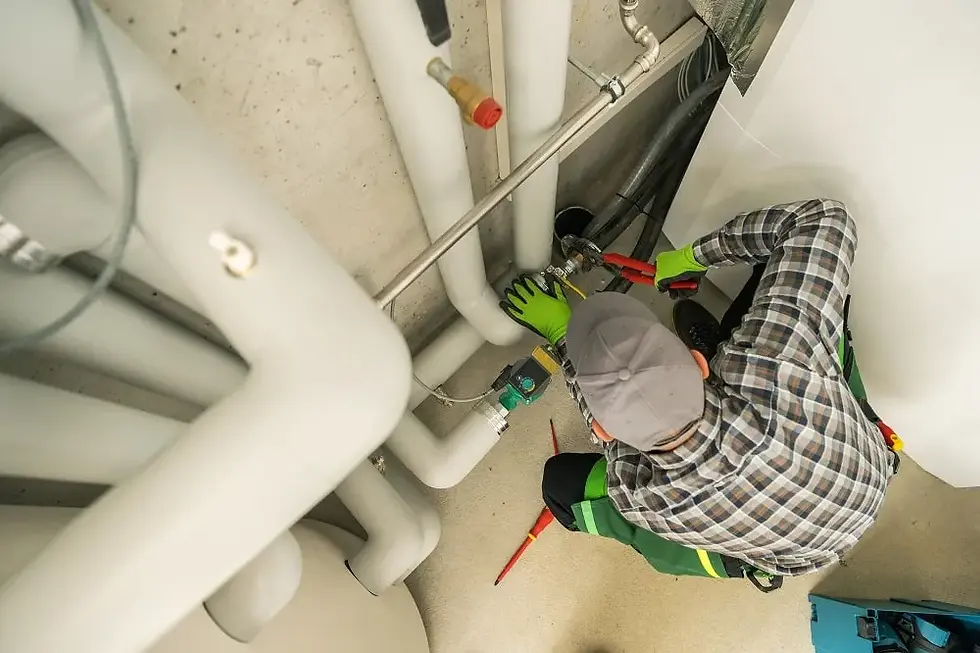
Choosing the best work gloves for plumbers isn't just about comfort. It's about improving safety, reducing hand fatigue, preventing cuts, and maintaining dexterity throughout a full workday.
At Wexford Insurance, we've worked with plumbing contractors across the country and understand the everyday risks that come with the trade. Even something as simple as the right gloves can help prevent injuries that lead to downtime and lost productivity.
In this guide, we'll review some of the best plumbing work gloves available today, explain which type works best for different jobs, and help you decide where your money is best spent.
Why Plumbers Need Quality Work Gloves
Professional plumbers encounter hazards every day, including:
Sharp copper pipe edges
Burrs on steel pipe
PVC solvent cement
Pipe threading oils
Rusted fittings
Hot water lines
Wet working conditions
Heavy lifting
Abrasions from crawl spaces
Cold weather service calls
A quality pair of gloves helps protect against:
Cuts
Blisters
Chemical exposure
Hand fatigue
Cold temperatures
Reduced grip on wet materials
Unlike general construction gloves, plumbing gloves should balance protection and dexterity.
What to Look for in Plumbing Work Gloves
Before buying, consider these features.
Cut Resistance
Copper tubing, sheet metal, threaded pipe, and steel studs all create sharp edges.
Look for:
ANSI Cut Level A3-A5
Reinforced palms
High-strength synthetic fibers
Grip
Plumbers constantly handle wet tools.
Choose gloves with:
Nitrile-coated palms
Textured grip
Oil-resistant coatings
Dexterity
Installing angle stops or compression fittings requires finger precision.
Avoid bulky gloves that make it difficult to:
Thread fittings
Use channel locks
Handle screws
Operate inspection cameras
Durability
Daily plumbing work destroys cheap gloves quickly.
Look for:
Reinforced fingertips
Double-stitched seams
Heavy-duty palm construction
Comfort
You'll likely wear these gloves 8-10 hours a day.
Features like breathable fabric, stretch materials, and moisture-wicking liners make a noticeable difference.
Best Work Gloves for Plumbers
Best Overall
These have become a favorite among service plumbers thanks to their excellent balance of grip, comfort, and flexibility.
Pros:
Excellent dexterity
Machine washable
Secure wrist closure
Lightweight
Comfortable all day
Cons:
Not fully waterproof
Moderate cut protection
Best for:
Residential service plumbing
Maintenance work
Fixture installations

Best Cut Resistant Gloves
Klein Tools' gloves provide outstanding protection without sacrificing grip.
Pros
ANSI Cut Level 3
Excellent wet grip
Comfortable knit design
Breathable
Cons
Can wear faster during heavy demolition
Best for
Rough-in work
Pipe cutting
Copper installation

Best Heavy-Duty Option
Ironclad gloves are built for contractors who regularly handle heavy equipment and rough materials.
Pros
Extremely durable
Reinforced palm
Excellent abrasion resistance
Comfortable padding
Cons
Slightly less finger sensitivity
Best for
Commercial plumbing
Mechanical rooms
Heavy lifting

Best for Dexterity
These gloves feel almost like a second skin.
Pros
Outstanding flexibility
Breathable
Excellent grip
Lightweight
Cons
Limited puncture protection
Best for
Service calls
Faucet repairs
Valve replacements
Detailed installations

Leather vs Synthetic Gloves
Both materials have advantages.
Leather
Pros
Extremely durable
Great abrasion resistance
Long lifespan
Cons
Less flexible
Poor in wet conditions
Requires break-in period
Synthetic
Pros
Better grip
Lightweight
Flexible
Breathable
Easier to wash
Cons
Usually shorter lifespan
For most plumbing contractors, modern synthetic gloves provide the best overall performance.
When Should You Replace Plumbing Gloves?
Replace gloves when you notice:
Holes
Torn fingertips
Worn grip coating
Loose stitching
Reduced protection
Persistent odors
Many full-time plumbers replace gloves every one to three months depending on workload.
OSHA Hand Protection Requirements
The Occupational Safety and Health Administration (OSHA) requires employers to assess workplace hazards and provide appropriate hand protection when employees are exposed to risks such as cuts, abrasions, punctures, burns, or harmful chemicals. Reviewing OSHA's guidance on personal protective equipment can help plumbing contractors choose gloves that match the hazards of each jobsite.
Protect More Than Your Hands
Quality gloves protect one of your most valuable assets, but protecting your plumbing business requires more than PPE.

Whether you operate as a solo plumber or manage a growing team, the right insurance helps safeguard your business from unexpected claims, property damage, equipment losses, and liability risks.
At Wexford Insurance, we specialize in insurance solutions designed specifically for plumbing contractors. Our experienced advisors understand the risks plumbers face every day and can help you build coverage that fits your business and budget.
If you're reviewing your equipment and safety practices this year, it's also a great time to review your insurance coverage.
Request a free, no-obligation quote from Wexford Insurance and make sure your business is protected just as well as your hands are.
Frequently Asked Questions
What gloves do professional plumbers wear?
Many professional plumbers prefer gloves like Mechanix Wear, Milwaukee Cut Level gloves, Maxiflex Ultimate, and Ironclad because they offer a combination of grip, durability, and dexterity.
Are cut-resistant gloves worth it?
Yes. They help reduce injuries when handling copper pipe, steel fittings, threaded pipe, and sheet metal.
Should plumbers wear waterproof gloves?
Waterproof gloves are useful for drain cleaning, outdoor work, and cold-weather jobs. For everyday service plumbing, breathable water-resistant gloves usually provide better comfort.
How many pairs of gloves should a plumber own?
Most professionals keep at least three pairs:
Daily work gloves
Heavy-duty cut-resistant gloves
Insulated winter gloves
Final Thoughts
The best work gloves for plumbers strike the right balance between protection, grip, and flexibility. While premium gloves may cost more upfront, they often last longer, improve comfort, and reduce the risk of hand injuries on the job. Like many things in the trades, buying the cheapest option often means buying twice.
Whether you choose the all-around versatility of Mechanix Wear, the cut protection of Milwaukee, or the precision fit of Maxiflex Ultimate, investing in quality gloves is a smart move for both safety and productivity.
And while you're protecting your hands, don't overlook protecting your business. Wexford Insurance can help you find the right commercial insurance coverage so you can focus on serving customers with confidence.


