
Best Work Boots for Electricians (2026 EH-Rated Buyer's Guide)
- Jul 14
- 4 min read
Electricians spend long days climbing ladders, walking concrete floors, crawling through attics, and working around energized equipment. Your work boots aren't just another piece of PPE. They're one of the most important investments you can make for your safety and productivity.

The best work boots for electricians combine Electrical Hazard (EH) protection, all-day comfort, slip resistance, waterproof construction, and durability that can survive demanding job sites.
Whether you're a residential electrician, commercial contractor, or own an electrical company with multiple crews, this guide will help you choose the right pair of EH-rated boots.
Why Electricians Need EH-Rated Work Boots
Electrical Hazard (EH) boots are designed to reduce the risk of electrical shock when working around energized equipment.
To qualify as an EH-rated boot, footwear must meet ASTM standards for electrical hazard protection. These boots use non-conductive materials that help insulate the wearer from accidental contact with live circuits under specified testing conditions.
However, it's important to remember:
EH boots do not replace proper lockout/tagout procedures.
They are not designed for direct contact with energized conductors.
They are one layer of protection in a complete electrical safety program.
For electricians, EH-rated boots should be considered essential PPE alongside insulated gloves, eye protection, and arc flash clothing when required.
What to Look for in Electrician Work Boots
Before buying your next pair, consider these important features.
EH Certification
Always verify the boots are ASTM F2413 Electrical Hazard (EH) certified.
This should be clearly labeled by the manufacturer.
Non-Metallic Construction
Many electricians prefer composite toe boots instead of steel toe boots because they:
Are lighter
Won't trigger metal detectors
Don't conduct electricity
Stay warmer in cold weather
Slip Resistance
Electrical contractors frequently work on:
Concrete
Tile
Wet basements
Mechanical rooms
Construction sites
Look for aggressive outsoles that provide traction on slick surfaces.
Waterproof Protection
Outdoor service work doesn't stop because it rains.
Waterproof leather and moisture barriers help keep feet dry throughout the workday.
Comfort
You'll spend 8 to 12 hours on your feet.
Features like:
Cushioned midsoles
Shock absorption
Lightweight construction
Breathable lining
can dramatically reduce fatigue.
Best Work Boots for Electricians
Best Overall
Why electricians love it
The Thorogood American Heritage is consistently one of the highest-rated boots among professional electricians and skilled trades.
Pros
EH-rated
Made in USA
Comfortable wedge sole
Durable leather
Excellent craftsmanship
Cons
Premium price
Requires short break-in period
Best For: Commercial electricians and daily wear.

Best Waterproof Option
KEEN's Cincinnati combines waterproof protection with outstanding comfort.
Pros
Waterproof membrane
Composite toe
EH-rated
Excellent grip
Comfortable immediately
Cons
Slightly heavier
Best for electricians working outdoors or in wet environments.

Best for Harsh Job Sites
The Boondock is built for abuse.
Pros
Waterproof
Composite safety toe
EH-rated
Anti-fatigue technology
Heavy-duty construction
Cons
Bulkier than lighter boots
Ideal for industrial electricians.

Best Value
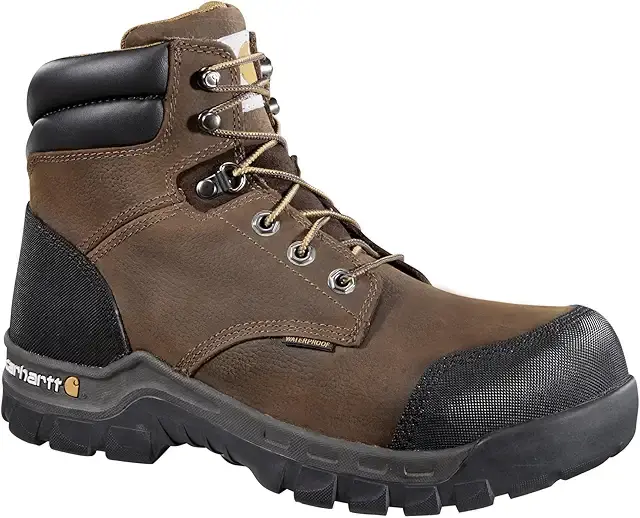
Carhartt offers an excellent balance between affordability and durability.
Pros
Waterproof
EH-rated
Composite toe
Flexible construction
Comfortable footbed
Cons
Leather softens over time
Perfect for residential electricians.
How Often Should Electricians Replace Work Boots?
The answer depends on usage.
Heavy commercial electricians often replace boots every 12 to 18 months.
Residential service electricians may get two years or more from quality boots.
Replace your boots immediately if you notice:
Worn tread
Torn leather
Sole separation
Water leaks
Loss of ankle support
Damaged toe cap
Worn boots reduce both comfort and protection.
Tips to Make Your Boots Last Longer
Proper maintenance can extend the life of expensive work boots.
Clean dirt weekly.
Condition leather monthly.
Rotate between two pairs if possible.
Dry naturally after wet jobs.
Replace insoles every six months.
Store boots in a cool, dry location.
A little maintenance saves hundreds of dollars over time. Remarkable how humans will spend $250 on boots and then treat them like they're auditioning for a demolition derby.
Other PPE Every Electrician Should Own
Your boots are only one part of a complete safety system.
Consider adding:
Voltage-rated insulated gloves
Safety glasses
Arc flash clothing
Hard hats
Hearing protection
Lockout/tagout kits
High-visibility clothing
Quality PPE helps reduce workplace injuries while keeping crews OSHA compliant.
Protect More Than Your Feet
Good boots protect your body.
The right insurance protects your business.

Whether you're an independent electrician or manage multiple crews, the right commercial insurance helps safeguard your company from property damage, liability claims, employee injuries, vehicle accidents, and equipment losses.
At Wexford Insurance, we specialize in helping electrical contractors build insurance programs tailored to their business. Our experienced advisors understand the risks electricians face every day and can help you compare coverage options from leading carriers to find the right protection at a competitive price.
Request a free quote today and see why contractors across the country trust Wexford Insurance to protect the businesses they've worked so hard to build.
Frequently Asked Questions
Are steel toe boots safe for electricians?
Many electricians prefer composite toe boots because they are lighter and non-metallic. Steel toe boots can still be EH-rated if they meet ASTM standards, but always verify the certification before purchasing.
What does EH-rated mean?
EH stands for Electrical Hazard. These boots are tested to ASTM standards to help reduce the risk of electrical shock under specific conditions.
Are waterproof boots worth it?
Absolutely. Waterproof boots keep your feet dry, improve comfort, and often last longer when working outdoors or in damp environments.
Which brand lasts the longest?
Thorogood, Irish Setter, Timberland PRO, and KEEN consistently receive high marks from professional tradespeople for durability and comfort.
Can electricians wear hiking boots?
Unless they are ASTM-certified EH-rated work boots designed for job site use, hiking boots should not replace proper safety footwear.
Final Thoughts
The best work boots for electricians are the ones that balance safety, comfort, durability, and long-term value. Investing in quality EH-rated footwear can reduce fatigue, improve traction, and provide an added layer of protection while you work around electrical hazards.
Whether you choose Thorogood, KEEN, Timberland PRO, Carhartt, Wolverine, or Irish Setter, make sure the boots fit well, meet current ASTM EH standards, and match the environments you work in most often.


