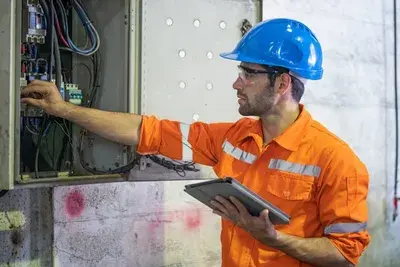
Best Wire Pulling Lubricants for Electricians (2026 Pro Guide & Top Picks)
- 2 hours ago
- 4 min read
Installing electrical wire through conduit isn't just about strength. Using the right wire pulling lubricant can dramatically reduce friction, protect wire insulation, minimize pulling tension, and save valuable installation time.

Whether you're pulling THHN conductors through EMT, running feeders through PVC conduit, or completing large commercial installations, the proper lubricant makes every pull easier and helps prevent expensive cable damage.
In this guide, we'll review the best wire pulling lubricants trusted by professional electricians, explain what makes a quality pulling lubricant, and help you choose the right option for your next project.
Why Electricians Use Wire Pulling Lubricant
Wire pulling lubricant isn't just for long conduit runs.
Professional electricians use it because it helps:
Reduce pulling tension
Protect insulation from abrasion
Prevent damaged conductors
Make difficult bends easier
Speed up installations
Reduce strain on fish tape and pulling equipment
Improve safety for large cable pulls
For commercial work, industrial installations, and service upgrades, using lubricant often means the difference between a smooth installation and a frustrating afternoon of fighting conduit.
What to Look for in a Wire Pulling Lubricant
Before choosing a product, consider:
Compatibility
Make sure the lubricant is approved for:
THHN/THWN
XHHW
UF cable
MC cable
Low-voltage cable
Fiber optic (where applicable)
Easy Cleanup
Many modern lubricants dry without leaving a sticky residue.
This helps reduce dirt buildup inside electrical rooms and equipment.
Non-Staining Formula
A good lubricant shouldn't stain walls, clothing, ceilings, or finished surfaces.
Temperature Performance
Commercial electricians often work in:
Hot attics
Cold outdoor jobs
Underground conduit
Choose a lubricant rated for your working environment.
UL Listing
Look for products tested for electrical cable installation and approved by cable manufacturers.
Best Wire Pulling Lubricants for Electricians
Best Overall
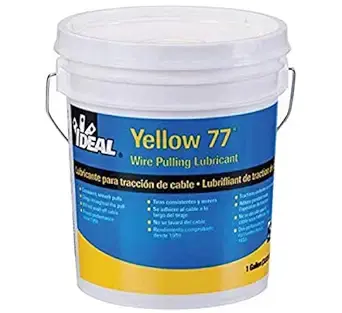
One of the most recognized names in the electrical industry, IDEAL Yellow 77 has been trusted by electricians for decades.
Pros
Excellent lubricity
Easy application
Dries slowly enough for long pulls
Compatible with most cable jackets
Widely available
Best For
Commercial electricians
Residential service work
Large conduit installations
Best for Long Pulls
Benefits include:
Extremely low friction
Excellent for large feeders
High-performance formula
Recommended for long conduit runs
Industry-leading reputation
Perfect for:
Utility contractors
Industrial electricians
Large commercial work

Best Foam Lubricant
Foam lubricants are excellent for vertical conduit or difficult access locations.
Advantages include:
Less dripping
Cleaner application
Easy control
Great for retrofit work
Ideal for:
Vertical conduit
Wall cavities
Tight electrical rooms

Best Budget Choice
For everyday electrical work, Gardner Bender offers dependable performance at an affordable price.
Features include:
Good lubrication
Affordable
Easy cleanup
Suitable for residential projects
Best suited for:
Apprentice electricians
Service technicians
Small contractors

Gel vs. Foam vs. Liquid Lubricants
Gel Lubricants
Best for:
Long conduit runs
Large wire bundles
Commercial construction
Advantages:
Maximum lubrication
Doesn't run easily
Excellent cable protection
Foam Lubricants
Best for:
Retrofit work
Vertical conduit
Finished walls
Advantages:
Cleaner
Less mess
Precise placement
Liquid Lubricants
Best for:
Smaller wire pulls
Low-voltage cable
Short conduit runs
Advantages:
Fast application
Easy cleanup
Lightweight
Tips for Using Wire Pulling Lubricant
Professional electricians often follow these best practices:
Apply lubricant directly to the first several feet of cable.
Add additional lubricant during long pulls.
Keep conduit clean before pulling.
Use quality fish tape or pull rope.
Avoid over-applying lubricant inside electrical equipment.
Store lubricant in moderate temperatures.
Common Mistakes to Avoid
Even experienced electricians can run into trouble if lubricant is used incorrectly.
Avoid:
Using household lubricants
Using petroleum-based products on electrical cable
Applying too little lubricant on long pulls
Mixing incompatible products
Allowing dirt to contaminate lubricant containers
Frequently Asked Questions
Does wire pulling lubricant damage electrical wire?
No. Quality wire pulling lubricants are specifically designed for electrical cable insulation and are compatible with common conductor jackets when used as directed.
Can lubricant be used on MC cable?
Many products are approved for MC cable, but always verify the manufacturer's compatibility chart before use.
Is wire pulling lubricant conductive?
No. Electrical-grade wire pulling lubricants are formulated to be non-conductive and safe for cable installation.
Does lubricant dry out?
Most modern formulas gradually dry without leaving heavy residue, helping keep installations cleaner over time.
Can lubricant freeze?
Some formulations tolerate freezing better than others. Check the manufacturer's storage recommendations if you work in cold climates.
Protect More Than Your Tools with Wexford Insurance
The right wire pulling lubricant helps protect your cable, but protecting your electrical business requires more than the right supplies.
At Wexford Insurance, we work with electricians, electrical contractors, and construction professionals to build insurance programs that match the risks of your business. Whether you're wiring custom homes, handling commercial installations, or managing a growing electrical contracting company, the right coverage can help protect your equipment, vehicles, employees, and reputation.
Coverage options may include:
General Liability Insurance
Commercial Auto Insurance
Workers' Compensation
Inland Marine Coverage for Tools & Equipment
Commercial Property Insurance
Umbrella Liability Coverage
Professional Liability (where applicable)
Our team understands the electrical industry and can help you compare policies from multiple top-rated insurance carriers to find coverage that fits your business and budget.
Request a quote from Wexford Insurance today and discover why contractors across the country trust us to help protect what they've worked hard to build.
Final Thoughts
Wire pulling lubricant may seem like a small purchase, but it has a big impact on productivity, cable protection, and jobsite efficiency. Investing in a quality product can reduce installation time, lower physical strain, and help prevent costly damage to conductors and conduit systems.