
Best Wet/Dry Shop Vacs for HVAC Contractors (Debris Control Guide 2026)
- Jun 19
- 3 min read
If HVAC work had a mascot, it would probably be a wet/dry shop vac quietly doing all the dirty work while everyone else takes credit. These machines handle dust, water, drywall debris, insulation fibers, and whatever mystery sludge lives inside ductwork.

This guide breaks down the best wet/dry shop vacs for HVAC contractors in 2026, focusing on durability, suction power, portability, and jobsite reliability.
Why HVAC Contractors Rely on Wet/Dry Shop Vacs
A proper shop vac is not optional in HVAC service work. It’s part of the survival kit.
Common HVAC cleanup scenarios include:
Dust and debris from ductwork cleaning
Water removal from condensate failures
Insulation particles after attic work
Sheet metal shavings and construction debris
General jobsite cleanup (because nobody else will do it)
A reliable wet/dry vacuum improves efficiency and reduces post-job cleanup time significantly.
Key Features to Look for in HVAC Shop Vacs
When choosing an HVAC shop vacuum, prioritize:
Strong suction (CFM rating matters more than marketing hype)
Wet/dry capability with proper filtration
Durable tank (poly or stainless steel preferred)
Easy hose storage and mobility
HEPA filtration for fine dust control
If it looks “too lightweight and cute,” it probably won’t survive a real jobsite.
Types of Wet/Dry Shop Vacs HVAC Techs Use
1. Compact Portable Shop Vacs
Best for service calls and residential HVAC work.
2. Heavy-Duty Contractor Shop Vacs
Built for commercial HVAC and large debris loads.
3. HEPA Filtration Shop Vacs
Designed for dust control and indoor air quality compliance.
4. Wall-Mounted or Central Vacuum Units
Used in shop environments or service vans with fixed setups.
Best Wet/Dry Shop Vacs for HVAC Contractors (2026 Picks)
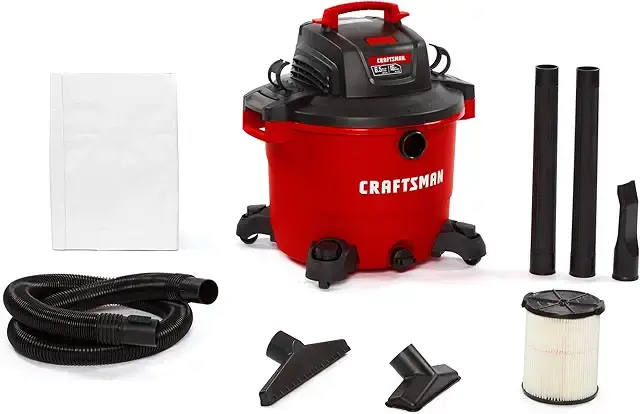
A contractor favorite for its balance of power, durability, and easy maintenance.

Known for strong suction and rugged build quality suited for jobsite abuse.

Lightweight and portable, ideal for HVAC service technicians on residential calls.

A reliable mid-range option with solid suction and easy parts availability.
Pro Tips for HVAC Debris Control
Even the best vacuum fails if used incorrectly. A few contractor-level habits:
Use fine dust filters for drywall and insulation
Empty tanks before they’re fully packed
Keep spare hoses and attachments in the van
Never vacuum liquid without checking filter setup first
Label one vac for “wet only” use if possible
Yes, it sounds obsessive. So does cleaning insulation out of a motor housing.
Common Mistakes HVAC Techs Make with Shop Vacs
Using undersized vacs for commercial jobs
Ignoring filter maintenance
Mixing wet and dry debris without cleaning
Relying on suction alone instead of proper attachments
A shop vac is a tool, not a miracle device (despite what some techs seem to believe).
HVAC Contractor Insurance Reminder (Wexford Insurance)
Wet/dry vacs reduce cleanup time, but HVAC work still involves water damage risks, electrical systems, and jobsite liability. One missed leak or overflow can become an expensive problem fast.

For HVAC contractors looking for business coverage, Wexford Insurance offers tailored policies that can help protect tools, vehicles, and liability exposure on the job.
Final Thoughts
The best wet/dry shop vacs for HVAC contractors are not about brand loyalty or marketing claims. They’re about reliability, suction power, and surviving repeated abuse on real jobsites.
Choose a vacuum that fits your workload, maintain it properly, and it will quietly save you hours of cleanup work—no praise required, just results.


