Best Water Damage Restoration Equipment for Startups (2026 Guide)
Starting a water damage restoration business requires more than a truck and a few fans. To compete effectively, restoration contractors need reliable equipment that can handle water extraction, structural drying, moisture detection, and air quality management. Investing in the right tools from the beginning can help your company deliver better results, improve efficiency, and build a strong reputation.

The good news is that many of the essential pieces of restoration equipment are accessible for startups that want to build their inventory gradually. In this guide, we'll review some of the best water damage restoration equipment for new restoration businesses and explain why each tool deserves a place in your fleet.
Why Equipment Matters in Water Damage Restoration
Water mitigation projects often require a combination of extraction, drying, monitoring, and air filtration equipment.
Having the right equipment helps your business:
Respond to emergency water losses quickly
Improve drying performance
Reduce project timelines
Deliver professional results
Increase customer satisfaction
Grow revenue opportunities
For startups, purchasing versatile and dependable equipment is one of the best investments you can make.
What to Look for When Buying Restoration Equipment
Durability
Restoration equipment operates in demanding environments and should be built for daily use.
Portability
Lightweight equipment is easier to transport and deploy on residential and commercial jobs.
Efficiency
The faster equipment performs, the more jobs your company can complete.
Maintenance Requirements
Choose equipment that is easy to clean, maintain, and service.
Scalability
Select equipment that can continue supporting your business as it grows.
A commercial dehumidifier is one of the most important tools in any restoration company's inventory. The Dri-Eaz Revolution LGR is widely used throughout the restoration industry thanks to its portability and drying performance.
Key Features
Low-grain refrigerant technology
Compact design
Integrated humidistat
High water removal capacity
Easy transport
Best For
Residential and commercial structural drying projects.

Air movers play a critical role in accelerating evaporation and reducing drying times after water damage.
Key Features
Multiple operating positions
High airflow performance
Stackable design
Lightweight construction
Energy-efficient operation
Best For
Drying floors, walls, and structural materials.

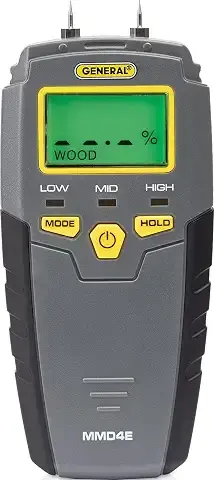
Every restoration startup needs a dependable moisture meter to monitor drying progress and document moisture readings.
Key Features
Digital moisture measurement
Easy-to-read display
Compact design
Multiple material applications
Simple operation
Best For
Water damage inspections and drying verification.
Air scrubbers help improve air quality during restoration projects and are commonly used for mold remediation and water damage cleanup.
Key Features
HEPA filtration
Portable design
Variable speed settings
Durable housing
Professional-grade airflow
Best For
Air purification and contaminant control.

Water extraction is often the first step in a mitigation project. A quality wet/dry vacuum can help startups remove standing water quickly.
Key Features
High-capacity tank
Powerful suction
Durable construction
Portable design
Versatile functionality
Best For
Initial water removal and cleanup tasks.

Essential Equipment Every Startup Restoration Company Should Own
As your business grows, consider building a complete equipment inventory that includes:
Commercial dehumidifiers
Air movers
Moisture meters
Thermal imaging cameras
Air scrubbers
Wet extraction equipment
Personal protective equipment
Extension cords and GFCI protection
Starting with the right equipment can help you complete projects professionally while positioning your company for future growth.
How Much Should a Startup Spend on Restoration Equipment?
The amount you invest depends on your business plan, target market, and service offerings.
Factors to consider include:
Residential vs. commercial projects
Service area size
Competitive landscape
Emergency response capabilities
Financing options
Desired growth timeline
Many successful restoration companies start with a core equipment package and expand as revenue grows.
Protect Your Restoration Business with the Right Insurance
Quality equipment is a major investment, making proper insurance coverage an important part of your business plan. Restoration contractors can face property damage claims, equipment losses, employee injuries, vehicle accidents, and liability exposures.

Wexford Insurance specializes in helping restoration contractors find coverage designed for their industry. Whether you're launching a new water damage restoration business or expanding an existing operation, the right insurance program can help protect your company as it grows.
Final Thoughts
Building a successful restoration company starts with investing in dependable equipment that helps you deliver professional results, improve efficiency, and serve customers effectively. By selecting tools that support drying, moisture detection, extraction, and air quality management, startup restoration contractors can establish a solid foundation for long-term growth and profitability.
FAQs
What is the most important piece of water damage restoration equipment?
Most restoration professionals consider a commercial dehumidifier one of the most important investments because it plays a major role in structural drying.
Do startup restoration companies need a thermal imaging camera?
While not required for every project, thermal imaging cameras can help identify hidden moisture and improve inspection accuracy.
How many air movers should a new restoration business start with?
The number depends on your budget and expected workload, but many startups begin with several professional-grade air movers and expand their inventory as business grows.