
Best Utility Knives for Drywall Installation
Utility knives are one of the most used tools in drywall installation. From scoring sheets and trimming edges to cutting face paper and cleaning up openings, professional installers rely on knives that are sharp, durable, and easy to handle. Cheap or unreliable knives lead to torn paper, uneven cuts, and slower production.

Below are the best utility knife types drywall contractors trust.
1. Retractable Utility Knives (Standard Contractor Choice)
Retractable utility knives are the most common choice on drywall jobsites. They allow installers to extend the blade to different depths for scoring drywall without cutting too deep.
Why contractors use them:
Adjustable blade length
Quick blade retraction for safety
Compatible with standard utility blades
Ideal for scoring and snap cuts
Look for models with solid locking mechanisms and metal housings for jobsite durability.
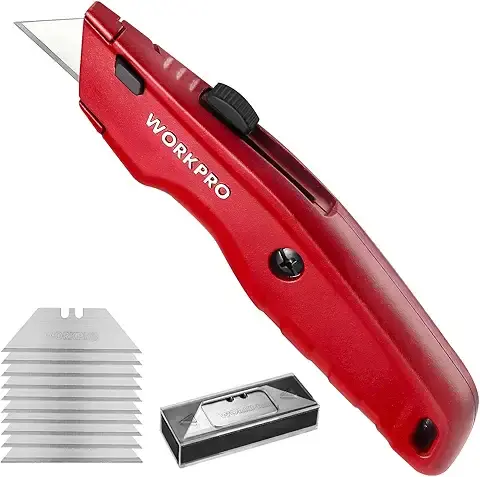
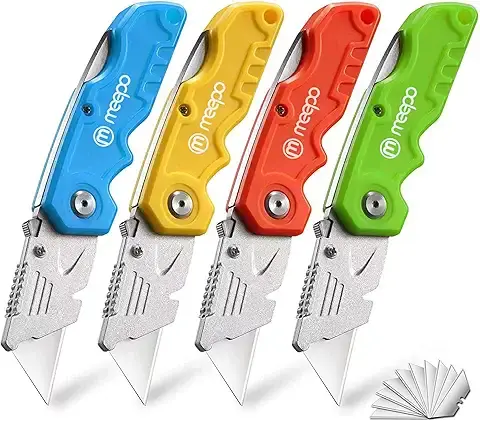
Folding knives are popular among installers who prefer a compact, pocket‑friendly design. These knives are easy to carry and reduce accidental blade exposure when not in use.
Best for:
Light scoring work
Punch‑list jobs
Remodels and tight spaces
Choose knives with one‑hand opening and secure blade locks.
Some drywall contractors prefer fixed‑blade knives for their rigidity and stability. Without moving parts, these knives provide excellent control and are less likely to develop wobble over time.
Advantages:
Maximum blade stability
Ideal for heavy scoring work
Fewer mechanical failures
While slightly less convenient, they are highly reliable for production crews.

Quick‑change knives allow contractors to swap blades in seconds without tools. This is essential on large jobs where blades dull frequently.
Why they matter:
Faster blade replacement
Less downtime
Maintains clean, sharp cuts
These knives are especially useful when cutting multiple sheets back‑to‑back

Hook blades are ideal for trimming drywall face paper without cutting too deep into the gypsum core. They’re commonly used for cleanup work and edge trimming.
Best uses:
Trimming installed drywall
Cutting paper backing
Cleaning openings
Many contractors keep both straight and hook blades on hand.

Why the Right Utility Knife Matters in Drywall Work
Cleaner cuts and snap lines
Reduced edge tear‑out
Faster sheet scoring
Less hand fatigue
Improved overall finish quality
Utility knives may be inexpensive tools, but they have a major impact on productivity.
Protect Your Drywall Business
Utility knives are used constantly—and injuries, tool damage, and jobsite incidents can happen without warning. Drywall contractors rely on Wexford Insurance for coverage designed to protect tools, crews, and daily operations.

👉 Click here to get a fast no obligation quote from Wexford Insurance.


