
Best Thermal Foggers for Smoke Odor Removal (Top Picks)
Smoke odor removal is one of the most challenging aspects of fire damage restoration. While surface cleaning and air scrubbing are important, deeply embedded smoke particles often require specialized equipment to eliminate lingering odors effectively.
Thermal foggers remain one of the most trusted tools among restoration professionals because they create microscopic particles that penetrate cracks, crevices, and porous materials where smoke residue hides.

If you're looking for the best thermal foggers for smoke odor removal, this guide covers top-performing options restoration contractors use to improve deodorization results, increase efficiency, and deliver better outcomes for clients.
Why Thermal Fogging Works for Smoke Odor Removal
Thermal fogging works by heating a deodorizing solution and converting it into a dense fog. The tiny particles produced closely mimic the size of smoke particles, allowing them to travel into the same areas smoke contamination penetrated.
Benefits of thermal fogging include:
Deep penetration into porous surfaces
Effective smoke odor neutralization
Fast treatment of large spaces
Reduced callbacks from lingering odors
Professional-grade deodorization results
For fire restoration contractors, thermal foggers often become an essential part of complete smoke remediation projects.
The Burgess 1443 is a versatile propane-powered thermal fogger frequently used by contractors for odor control applications. Its lightweight design and portable operation make it practical for restoration professionals working in a variety of environments.
Key Features
Propane-powered operation
Portable and lightweight
Produces dense thermal fog
Suitable for large treatment areas
Durable construction for repeated use
Best For
Residential fire restoration
Mobile service operations
Small-to-medium deodorization projects
Contractors seeking portability
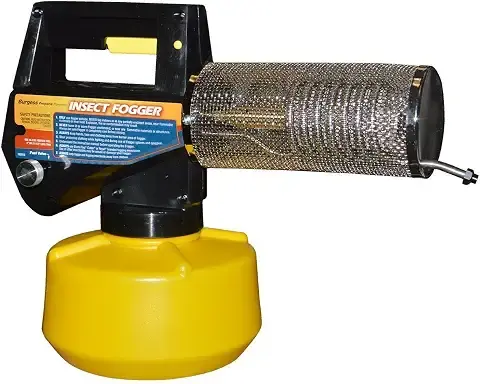
The Golden Eagle is widely recognized in restoration circles for its reliability and professional-grade performance. It delivers consistent fog production and is designed for demanding deodorization work.
Key Features
Heavy-duty commercial design
Consistent fog output
Suitable for intensive restoration applications
Durable components
Large treatment capacity
Best For
Fire restoration specialists
Commercial cleaning companies
Large smoke damage projects
Frequent equipment use

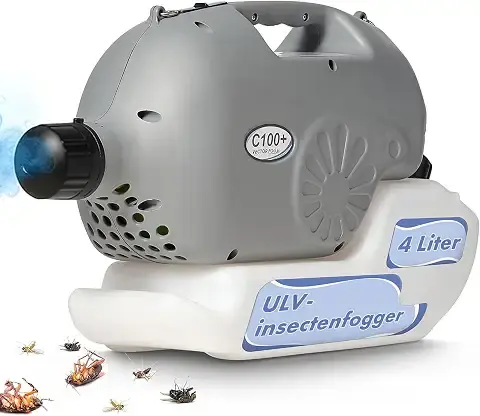
The Vectorfog C 100 is designed for users who require efficient fogging performance and dependable operation. It produces fine thermal fog particles that can effectively distribute deodorizing agents throughout affected structures.
Key Features
High-output fog generation
Ergonomic design
Large solution tank
Suitable for professional applications
Reliable performance for extended use
Best For
Multi-room smoke remediation
Large residential properties
Commercial restoration projects
Professional odor control programs
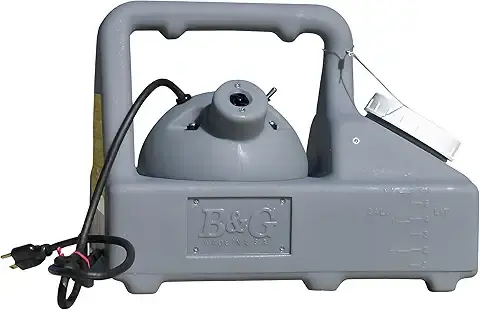
The B&G Flex-A-Lite 2300 is a trusted professional fogger known for reliability and ease of use. Restoration professionals often choose it for deodorization projects requiring consistent fog output and portability.
Key Features
Professional-grade performance
Compact and lightweight
Adjustable particle size
Durable metal construction
Easy maintenance and servicing
Best For
Residential smoke cleanup
Apartment and rental property restoration
Odor control treatments
Small-to-medium restoration projects
How to Choose the Right Thermal Fogger
Selecting the best thermal fogger for smoke odor removal depends on several factors.
Project Size
Larger commercial projects typically require higher-capacity units capable of delivering greater fog output over extended periods.
Frequency of Use
Businesses performing daily fire restoration work may benefit from industrial-grade thermal foggers designed for continuous operation.
Portability Requirements
Contractors servicing multiple locations each day often prioritize lightweight equipment that's easy to transport and deploy.
Maintenance Considerations
Reliable equipment with straightforward maintenance requirements can reduce downtime and improve productivity.
Best Practices for Thermal Fogging
To maximize deodorization effectiveness:
Remove soot and smoke residues before fogging
Follow manufacturer dilution recommendations
Seal treatment areas when appropriate
Use proper personal protective equipment
Ensure adequate ventilation after treatment
Conduct post-treatment odor verification
Thermal fogging should be integrated into a complete smoke remediation strategy rather than used as a standalone solution.
Growing and Protecting Your Restoration Business
Thermal fogging equipment represents a significant investment for restoration contractors. Whether you're handling fire damage restoration, smoke remediation, water damage recovery, or specialty cleaning services, protecting your business is just as important as having the right equipment.

Wexford Insurance helps restoration professionals find insurance solutions designed for contractors and service businesses. Proper coverage can help protect your company from property damage claims, liability exposures, equipment losses, and other unexpected risks.
If you're reviewing your insurance coverage or starting a restoration company, consider contacting Wexford Insurance for a customized quote.
Final Thoughts
Investing in quality thermal fogging equipment can help restoration professionals improve smoke odor removal results, work more efficiently, and deliver a better customer experience. Choosing equipment that aligns with your project volume, service offerings, and operational needs can help position your business for long-term success in the restoration industry.
FAQs
Are thermal foggers effective for smoke odor removal?
Yes. Thermal foggers create microscopic particles that penetrate many of the same areas affected by smoke contamination, making them highly effective when used as part of a complete restoration process.
Do restoration contractors still use thermal fogging?
Absolutely. Thermal fogging remains a widely used deodorization method in fire damage restoration because of its ability to reach hidden odor sources that standard cleaning methods may miss.
How long does thermal fogging take to remove smoke odors?
Application time varies depending on the size of the structure and severity of smoke contamination. Many treatments can be completed within a few hours, though full restoration projects may require additional cleaning and deodorization steps.


