
Best Test Pumps for Pressure Testing Water Lines (Top Picks)
Pressure testing is one of the most important steps in any plumbing installation. Before a water line is covered by concrete, hidden behind drywall, or turned over to a customer, you need confidence that every connection is leak-free. That's where a quality test pump becomes one of the most valuable tools on your truck.
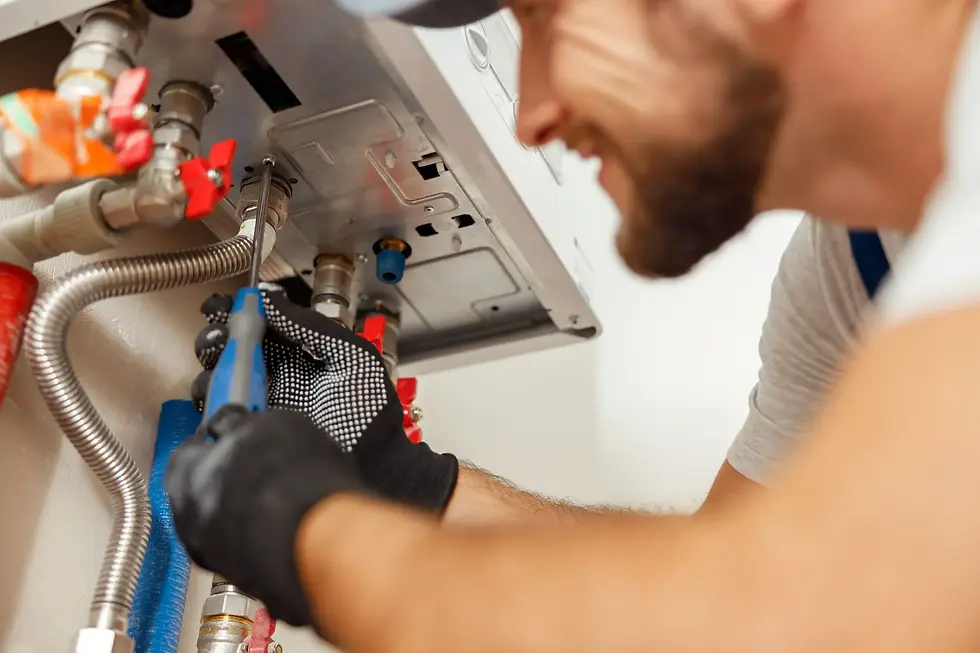
Whether you're testing residential water supply lines, commercial plumbing systems, radiant heating loops, or irrigation piping, the right pressure testing pump helps you work faster while delivering accurate results.
In this guide, we'll compare the best test pumps for plumbing contractors, explain what features matter most, and help you choose the right model for your business.
Why Every Plumbing Contractor Needs a Reliable Test Pump
A pressure test verifies that a newly installed piping system can safely hold pressure before it goes into service.
Professional plumbers commonly pressure test:
PEX water systems
Copper water lines
CPVC piping
Radiant heating systems
Commercial water mains
Fire sprinkler supply lines
Irrigation systems
Hydronic heating systems
Finding a leak during testing costs minutes.
Finding one after drywall, flooring, or concrete is installed can cost thousands.
What to Look for in a Plumbing Test Pump
Before buying a pressure testing pump, consider these important features.
Maximum Pressure
Most residential plumbing tests require between 100-300 PSI.
Commercial work may require:
500 PSI
725 PSI
1,000 PSI
Buying a higher-capacity pump gives your business flexibility for future projects.
Manual vs. Electric
Manual Test Pumps
Pros
Affordable
Lightweight
No electricity required
Very reliable
Best for:
Residential plumbers
Service technicians
Remodel contractors
Electric Test Pumps
Pros
Faster testing
Less operator fatigue
Ideal for commercial projects
Better for frequent testing
Best for:
New construction
Mechanical contractors
Large commercial plumbing companies
Tank Capacity
Larger tanks reduce refill time.
Typical capacities include:
3 gallons
4.5 gallons
5 gallons
6 gallons
Pressure Gauge Accuracy
Look for pumps with:
Easy-to-read gauges
Fine pressure adjustment
Durable brass fittings
Corrosion-resistant tanks
Accurate readings help avoid failed inspections.
Best Test Pumps for Pressure Testing Water Lines
Best Heavy-Duty Manual Pump
Reed has built a reputation for producing contractor-grade plumbing tools.
The TP-500 offers:
Rugged steel construction
Reliable pressure control
High-quality gauge
Long service life
Ideal for contractors who perform pressure testing every week.
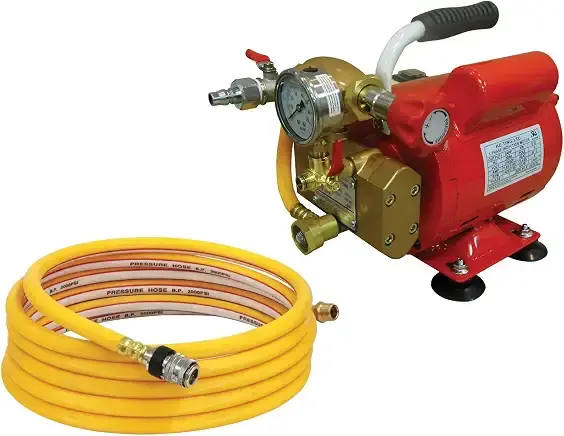
Best Budget Professional Option
This model provides excellent value while still offering professional performance.
Features include:
Compact size
Brass fittings
Easy maintenance
Accurate gauge
Portable design
Perfect for:
Small plumbing businesses
Apprentice plumbers
Service vehicles

Best Portable Battery Option
While primarily designed as a transfer pump, many plumbing contractors pair the Milwaukee M18 system with pressure testing accessories for specific applications.
Advantages include:
Cordless convenience
Fast setup
Excellent portability
Compatible with existing Milwaukee batteries
Ideal for contractors already invested in the Milwaukee platform.

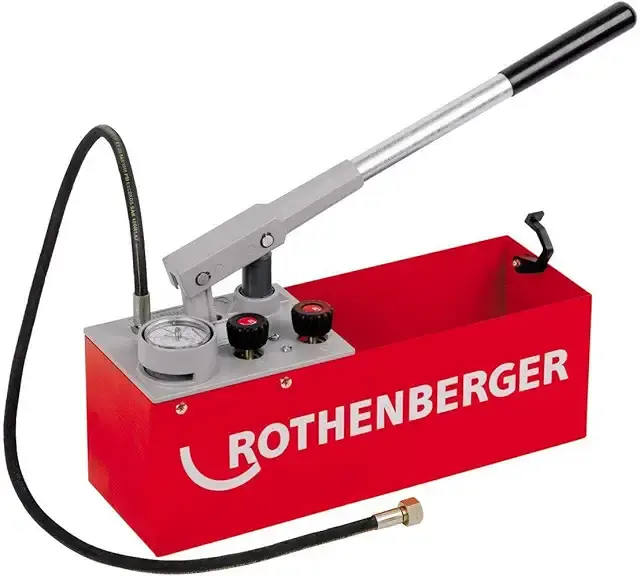
Best Premium Professional Pump
For contractors who perform pressure testing every day, the Rothenberger RP 50-S is a premium option.
Benefits include:
Extremely accurate pressure control
Smooth pumping action
Durable steel construction
Excellent reliability
Many commercial plumbers rely on this pump for demanding jobs.
Essential Accessories
Adding accessories creates additional Amazon affiliate opportunities.
Consider recommending:
Pressure gauges
Test hoses
Brass adapters
PEX test fittings
Garden hose adapters
Pipe thread sealant
PTFE tape
Replacement gauges
Quick-connect fittings
Carrying cases
Bundling related products can increase affiliate revenue while helping readers purchase everything they need in one order. Humanity's favorite hobby remains buying three accessories for every one tool, but in this case they actually come in handy.
Pressure Testing Best Practices
Professional plumbers should always:
Inspect fittings before testing.
Remove trapped air from the system.
Increase pressure gradually.
Monitor the gauge for pressure loss.
Follow local plumbing codes.
Document pressure readings when required.
Never exceed manufacturer pressure limits.
Proper testing protects both your customer and your reputation.
Common Mistakes to Avoid
Avoid these costly errors:
Using damaged hoses
Testing with inaccurate gauges
Skipping calibration checks
Over-pressurizing the system
Ignoring slow pressure drops
Forgetting to inspect fittings before the test
Even the best pump can't compensate for rushed preparation. Gravity and water remain stubbornly committed to exposing shortcuts.
Frequently Asked Questions
What pressure should water lines be tested at?
Most residential water lines are tested between 100 and 200 PSI, depending on local plumbing codes and manufacturer recommendations. Always verify the required test pressure before starting.
How long should a plumbing pressure test last?
Many plumbing inspections require the system to hold pressure for 15 to 30 minutes, although some commercial projects may require longer durations.
Can one test pump be used for PEX, copper, and CPVC?
Yes. A quality hydrostatic test pump can be used on multiple piping materials as long as the correct fittings and pressure limits are observed.
Are manual test pumps accurate enough for professional work?
Absolutely. High-quality manual test pumps with properly calibrated gauges provide accurate results and remain the preferred choice for many plumbing contractors.
Protect Your Plumbing Business Beyond the Jobsite
Having dependable tools helps you complete installations safely, but protecting your business requires more than quality equipment.

Whether you're working on residential service calls, commercial construction, or large-scale plumbing installations, the right business insurance can help protect your company from property damage claims, liability exposures, vehicle accidents, and equipment losses.
At Wexford Insurance, we specialize in helping plumbing contractors find insurance coverage tailored to their business. From general liability and commercial auto to workers' compensation, tools and equipment coverage, and umbrella policies, our team understands the risks plumbers face every day.
If you're reviewing your business protection along with your equipment, now is a great time to request a free, no-obligation insurance quote from Wexford Insurance. Our experienced advisors can help you compare coverage options and ensure your plumbing business is protected as it continues to grow.
Final Thoughts
A reliable test pump is an investment in your workmanship and reputation. Whether you need a compact manual model for residential service calls or a heavy-duty unit for commercial installations, choosing the right equipment can save time, reduce callbacks, and improve confidence during inspections.
The RIDGID 1450 is an excellent all-around choice for most plumbing contractors, while the Rothenberger RP 50-S is ideal for professionals who perform frequent, high-volume pressure testing. Budget-conscious contractors can still achieve dependable results with models from General Pump or Reed.


