Best Smoke Odor Removal Products for Restoration Pros (2026)
- Aug 10
- 4 min read
Smoke odor removal is one of the most challenging aspects of fire damage restoration. Even after soot cleanup and structural repairs are complete, lingering smoke odors can remain trapped in drywall, insulation, carpeting, upholstery, and HVAC systems. For restoration professionals, having the right odor removal products can improve job outcomes, increase customer satisfaction, and help reduce callbacks.

In this guide, we'll cover some of the best smoke odor removal products for restoration contractors in 2026. These solutions are widely used across the restoration industry and can help tackle odors caused by residential fires, commercial fire losses, kitchen fires, cigarette smoke, and other smoke-related damage.
Why Smoke Odor Removal Matters in Fire Restoration
Smoke particles penetrate porous materials and can continue releasing odors long after visible damage has been removed. Effective smoke odor remediation helps:
Improve indoor air quality
Restore customer confidence
Reduce complaints and callbacks
Support complete fire damage restoration
Increase client satisfaction and referrals
Using specialized smoke odor removal products alongside proper cleaning procedures gives restoration professionals the best chance of eliminating odors at the source.
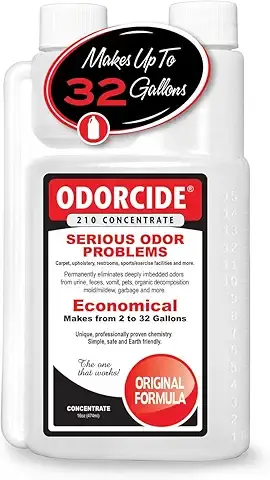
Odorcide Fire & Flood Odor Eliminator is a professional-grade deodorizer designed specifically for smoke, fire, and water damage restoration projects. Restoration crews frequently use it when treating structural materials, carpeting, upholstery, and soft contents affected by smoke exposure.
Key Features
Targets smoke and fire-related odors
Concentrated formula for large-scale jobs
Suitable for thermal fogging applications
Works on multiple surfaces
Commonly used in restoration environments
Best Use Cases
Residential fire restoration
Commercial fire losses
Smoke-damaged contents cleaning
HVAC odor treatment

Ecoxall Smoke & Odor Eliminator is a popular choice for restoration professionals seeking a plant-based odor removal solution. Rather than masking odors, it works to neutralize odor molecules that remain after smoke events.
Key Features
Non-toxic formula
Biodegradable ingredients
Suitable for homes, offices, and vehicles
Safe for frequent applications
Pleasant, non-overpowering scent
Best Use Cases
Light to moderate smoke damage
Residential occupancy projects
Post-cleaning odor control
Property management applications
3. Bad Odor Blocks Industrial Odor Eliminator
Bad Odor Blocks offer a simple and effective option for ongoing odor suppression in smoke-damaged environments. These industrial-strength odor eliminators continue working for extended periods and can be strategically placed throughout affected properties.
Key Features
Long-lasting odor control
Easy deployment
No electricity required
Suitable for enclosed spaces
Multiple scent options available
Best Use Cases
Vacant properties
Containment areas
Storage units
Commercial buildings awaiting reconstruction
Concrobium Odor Eliminator is frequently used by restoration contractors looking for a residue-free deodorization solution. It can be applied directly to affected surfaces where smoke odors linger after cleaning.
Key Features
Leaves no harsh residue
Does not simply mask odors
Suitable for hard and soft surfaces
Easy spray application
Effective on stubborn smoke smells
Best Use Cases
Smoke-damaged drywall
Upholstery treatment
Structural deodorization
Final-stage odor removal

Zep Smoke Odor Eliminator provides a convenient solution for smaller restoration projects and touch-up deodorization work. Many restoration professionals use it for localized odor treatment and post-cleaning applications.
Key Features
Fast application
Suitable for spot treatments
Professional-grade formulation
Easy storage in service vehicles
Effective on smoke-related odors
Best Use Cases
Final walkthrough preparation
Localized smoke contamination
Vehicle restoration work
Small room treatments

Choosing the Right Smoke Odor Removal Product
The best smoke odor removal product depends on several factors, including:
Type of Fire Loss
Kitchen fires, electrical fires, wildfires, and structural fires all produce different odor profiles. Some situations may require multiple deodorization methods.
Severity of Smoke Damage
Heavy smoke contamination often requires a combination of cleaning agents, thermal fogging, air scrubbing, and odor-neutralizing products.
Surface Materials
Odors behave differently in carpet, drywall, insulation, hardwood, fabrics, and HVAC systems. Select products designed for the materials being treated.
Occupancy Requirements
Occupied homes and commercial buildings may benefit from low-odor, environmentally friendly formulations that minimize disruption for occupants.
Smoke Odor Removal Best Practices
Even the best products work most effectively when paired with proven restoration techniques:
Remove soot and smoke residues first
Clean all affected surfaces thoroughly
Address HVAC contamination
Use HEPA air filtration equipment
Consider thermal fogging when appropriate
Verify odor removal before project completion
Successful fire restoration requires attacking both the source of the odor and the airborne particles that contribute to lingering smoke smells.
Protecting Your Restoration Business
Fire and smoke restoration work comes with unique risks, including property damage claims, equipment losses, employee injuries, and liability exposures. Having the right insurance coverage can help protect your business while serving clients during challenging restoration projects.

Wexford Insurance specializes in helping contractors and restoration professionals secure coverage tailored to their operations. Whether you're a solo operator or managing multiple restoration crews, obtaining the proper insurance can help safeguard your business as it grows.
If you're reviewing your coverage or starting a restoration company, consider requesting a quote from Wexford Insurance to explore your options.
Final Thoughts
Smoke odor remediation remains one of the most important components of successful fire damage restoration. The right deodorization solutions can improve customer satisfaction, reduce callbacks, and help restoration professionals deliver more complete results. By combining high-quality odor removal products with proven restoration procedures, contractors can handle even challenging smoke damage projects with confidence.
FAQs
What is the best way to remove smoke odor after a fire?
The most effective approach combines soot removal, deep cleaning, air filtration, and professional odor-neutralizing products. Severe fire losses may also require thermal fogging or ozone treatment.
How long does smoke odor removal take?
The timeline depends on the severity of the smoke damage. Minor odors may be removed within a day, while major fire losses can require several days or weeks of remediation.
Do smoke odor eliminators permanently remove odors?
Quality smoke odor removal products are designed to neutralize odors rather than simply mask them. However, complete odor elimination typically requires proper cleaning and remediation of all affected materials.