
Best Shop Fans for Ventilating Epoxy Installations (Top Picks)
Proper ventilation is one of the most important safety steps during an epoxy installation. Whether you're working on a garage, basement, warehouse, or commercial floor, epoxy fumes and moisture buildup can cause discomfort, curing issues, and safety risks. Shop fans help maintain airflow, reduce odor concentration, and support proper curing conditions.

Below are the top shop fans that epoxy installers rely on to improve ventilation, speed up airflow, and create safer jobsite conditions.
High‑velocity floor fans are the most popular choice for epoxy installers. They move a large amount of air across the surface, helping fumes dissipate while improving airflow during curing. Their portability makes them perfect for rotating around different zones of the project.
Best for: Garages, basements, and medium‑sized rooms.

Drum fans are powerful enough to ventilate large spaces like warehouses or commercial projects. Their wide airflow coverage helps reduce humidity buildup and ensures consistent temperature across the floor—both important for proper epoxy curing.
Best for: Large industrial epoxy installations.
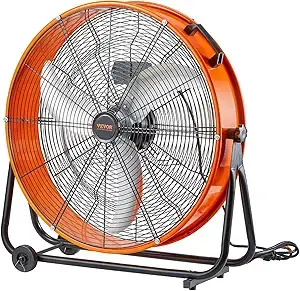
Air mover fans (also known as carpet dryers) are excellent for directing airflow low to the ground. Because epoxy often cures at floor level, these fans help push fumes outward and maintain airflow across newly coated surfaces.
Best for: Edges, hallways, and low‑lying areas.

Inline duct fans are ideal when you need to actively move air out of an enclosed space, such as basements or closed rooms. They can be paired with flexible ducting to extract fumes directly outdoors.
Best for: Confined spaces and areas with limited airflow.

These fans provide constant air circulation without occupying floor space. They’re great for contractors who want to keep their work zones clutter‑free while improving air movement in the room.
Best for: Workshops, warehouses, and long‑term epoxy setups.

Tips for Using Shop Fans During Epoxy Installation
Never blow air directly onto wet epoxy—aim airflow around the room.
Maintain consistent temperature for proper curing.
Use fans to push fumes out, not stir dust into the coating.
Keep humidity levels controlled with airflow and dehumidifiers.
Proper ventilation leads to a smoother finish, fewer imperfections, and a safer workspace.

Protect Your Epoxy Installation Business
Even with proper ventilation and safety gear, epoxy installation can pose risks—chemical exposure, property damage, overspray, slip hazards, or equipment accidents. Protecting your business with the right insurance is essential.
Wexford Insurance offers affordable, contractor‑focused insurance for epoxy installers and flooring professionals.
👉 Get your free quote today from Wexford Insurance.


