Best Sealers and Encapsulants for Smoke Damage (Top Picks)
- Aug 10
- 4 min read
Smoke damage restoration often involves more than cleaning soot and removing odors. Even after aggressive cleaning, smoke residue can remain trapped within porous materials such as drywall, framing, concrete, brick, and wood. In these situations, restoration professionals frequently rely on sealers and encapsulants to lock in contaminants, prevent odor bleed-through, and prepare surfaces for rebuilding and repainting.

Choosing the right smoke damage sealer can make a significant difference in the success of a fire restoration project. The best products create a durable barrier that helps prevent lingering odors and stains from reappearing after repairs are completed.
In this guide, we'll review some of the best sealers and encapsulants for smoke damage restoration and explain how contractors can choose the right product for each job.
Why Sealers and Encapsulants Are Important in Fire Restoration
Smoke particles can penetrate deep into building materials, making complete removal difficult. Even after thorough cleaning, residual contamination can continue releasing odors or cause staining to bleed through fresh paint.
Using a smoke damage encapsulant can help:
Block smoke odors from resurfacing
Seal smoke-stained materials
Reduce odor complaints and callbacks
Improve long-term restoration results
Prepare surfaces for painting and reconstruction
Extend the lifespan of restoration repairs
Many restoration contractors use sealing products as part of a complete fire damage remediation strategy.
Zinsser B-I-N is one of the most widely used odor-blocking primers in fire restoration. Its shellac-based formula helps seal smoke stains, nicotine damage, and odors while creating an excellent surface for repainting.
Key Features
Shellac-based formula
Fast drying time
Excellent stain blocking
Strong odor-sealing properties
Interior and spot exterior applications
Best For
Smoke-damaged drywall
Fire restoration projects
Water and smoke stain coverage
Residential and commercial properties

Cover Stain is a trusted restoration product that provides strong adhesion and odor-blocking performance. Many contractors use it when sealing surfaces affected by smoke and fire residue.
Key Features
Oil-based formulation
Effective stain blocking
Strong adhesion properties
Quick recoating capability
Suitable for multiple substrates
Best For
Smoke-damaged ceilings
Wood framing
Cabinets and trim
Interior fire restoration

KILZ Original has been a go-to restoration primer for years due to its odor-sealing and stain-blocking capabilities. It performs well on surfaces affected by smoke damage and discoloration.
Key Features
Heavy-duty stain blocker
Strong odor coverage
Oil-based formulation
Fast dry time
Good adhesion performance
Best For
Residential fire losses
Smoke-stained walls
Ceilings and trim
Repainting projects

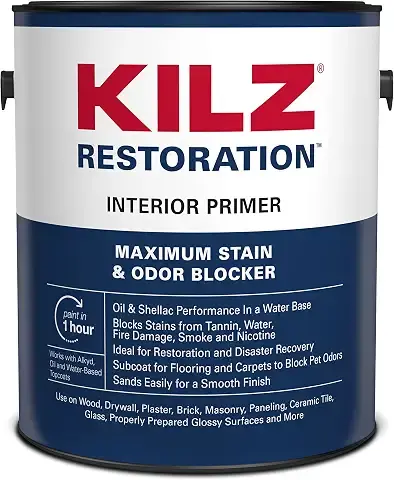
KILZ Restoration is designed specifically for severe stains and odor issues. It is often selected for restoration projects involving smoke, fire, pets, and water damage.
Key Features
Water-based formula
Advanced odor-sealing technology
Low VOC formulation
Fast application
Excellent stain coverage
Best For
Smoke odor remediation
Occupied residential properties
Commercial restoration work
Interior rebuilding projects
How to Choose the Right Smoke Damage Sealer
Surface Type
Different materials may require different sealing solutions.
Examples include:
Drywall
Wood framing
Concrete
Brick and masonry
Painted surfaces
Always verify manufacturer recommendations before application.
Odor Severity
Heavy smoke contamination often benefits from stronger encapsulation products designed specifically for odor control.
Occupancy Requirements
Occupied structures may require low-VOC or water-based products to minimize disruption for occupants and property owners.
Project Scope
Large commercial losses may justify premium restoration-grade encapsulants that provide maximum long-term protection.
Best Practices for Smoke Damage Encapsulation
To maximize effectiveness:
Complete soot removal before sealing.
Clean contaminated surfaces thoroughly.
Allow surfaces to dry completely.
Apply products according to manufacturer specifications.
Use proper PPE during application.
Verify odor reduction before reconstruction begins.
Encapsulation should be considered the final step after cleaning and deodorization rather than a replacement for proper smoke removal procedures.
Protecting Your Fire Restoration Business
Restoration contractors invest heavily in specialized equipment, cleaning products, and training. They also face significant risks including property damage claims, employee injuries, equipment theft, and liability exposures.
Wexford Insurance helps restoration contractors find insurance solutions tailored to the unique risks of the fire and smoke restoration industry. Whether you specialize in residential fire cleanup, commercial disaster recovery, or full-service remediation work, the right insurance coverage can help protect your business and support long-term growth.
If you're reviewing your current coverage or launching a restoration company, consider contacting Wexford Insurance for a customized business insurance quote.
Final Thoughts
Successful smoke damage restoration often requires a combination of cleaning, deodorization, and encapsulation. Applying a quality sealer can help prevent odor recurrence, minimize staining issues, and provide clients with a more complete restoration result. By incorporating professional-grade encapsulation products into your restoration process, you can improve project outcomes and reduce the likelihood of costly callbacks.
FAQs
What is a smoke damage encapsulant?
A smoke damage encapsulant is a coating designed to seal surfaces affected by smoke contamination, helping prevent odors and stains from bleeding through after restoration.
Should smoke-damaged walls be sealed before painting?
Yes. In many fire restoration projects, sealing smoke-damaged walls before painting helps block odors and stains while improving the durability of the finished surface.
Can a sealer completely eliminate smoke odor?
A sealer can help lock in residual odors, but it should be used after proper cleaning and deodorization. Encapsulation works best as part of a complete smoke damage restoration process.