Best Salt Test Kits & Meters for Saltwater Pool Techs
For saltwater pool technicians, maintaining proper salinity levels is critical to system performance, equipment longevity, and overall customer satisfaction. Unlike traditional chlorine pools, saltwater systems rely on precise salt concentrations to generate chlorine effectively.

Inaccurate testing can lead to underperforming chlorinators, corrosion issues, or costly equipment damage, all of which directly impact your service quality and profitability. For technicians managing multiple accounts, consistency and speed are essential.
This is where professional salt test kits and digital meters play a key role. The right tools allow you to deliver accurate readings, streamline your workflow, and ensure every pool operates within optimal parameters.
This guide covers the best salt test kits and meters for saltwater pool techs, ranked based on accuracy, reliability, and real-world usability.
Why Accurate Salt Testing Matters
Saltwater pool systems require tight control within a specific salinity range—typically between 2,700 and 3,400 ppm depending on the system.
Using unreliable testing methods can result in:
Inefficient chlorine generation
Increased wear on salt cells
Water quality issues
Customer complaints and callbacks
Professional-grade tools help technicians:
Maintain consistent salt levels
Prevent equipment damage
Reduce unnecessary chemical adjustments
Improve overall service reliability
The Taylor K-1766 is widely considered the industry standard for manual salt testing. It uses a drop-based titration method to deliver highly precise readings.
Key Features:
Accurate salinity measurement
Trusted professional-grade design
Simple and repeatable testing process
Why It Ranks #1: This kit provides lab-level accuracy in a portable format, making it a go-to tool for technicians who prioritize precision.
Best For:
Detailed service work
Technicians who want reliable verification readings

The SALT-3050 offers fast and convenient digital readings, making it ideal for route-based technicians.
Key Features:
Instant salinity readings
Waterproof and portable
Easy-to-read digital display
Why It Stands Out: Eliminates manual testing steps, allowing for quicker service times without sacrificing accuracy.
Best For:
High-volume service routes
Technicians prioritizing speed and convenience

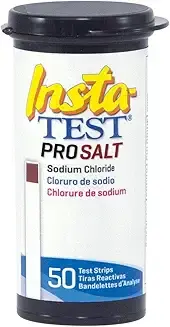
Test strips provide a fast, no-prep solution for quick salinity checks.
Key Features:
Simple dip-and-read operation
Quick results
Easy to carry in the field
Why It Ranks Here: While less precise than other methods, they are useful for rapid assessments between visits.
Best For:
Quick checks
Backup testing method
Affiliate Opportunity: Insert Amazon link
This meter provides advanced capability by measuring salinity alongside other parameters.
Key Features:
High-precision sensors
Measures salinity, conductivity, and temperature
Durable, professional-grade build
Why It Stands Out: Ideal for technicians managing complex or commercial accounts requiring deeper analysis.
Best For:
Advanced diagnostics
Commercial pool operations

How to Choose the Right Salt Testing Tool
Your tool selection should align with your workflow and service volume.
Choose manual kits if:
You prioritize accuracy
You need verification testing
Choose digital meters if:
You service multiple pools daily
You want faster readings
Use test strips if:
You need quick, approximate checks
You want a backup testing method
Building an Efficient Salt Testing Workflow
To maximize consistency across your service route:
Test salinity on every visit
Record readings for each account
Adjust salt levels as needed
Verify readings periodically with a second method
Monitor trends over time
This ensures reliable operation of salt systems and prevents long-term issues.
Common Mistakes to Avoid
Avoid these errors that can reduce accuracy:
Relying solely on test strips for critical readings
Ignoring calibration for digital meters
Using contaminated or unclean samples
Failing to cross-check unusual readings
How Better Testing Tools Improve Profitability
Investing in the right tools leads to measurable benefits:
Fewer service callbacks
Reduced equipment damage
Faster job completion
Improved client trust
Over time, these improvements increase operational efficiency and strengthen your reputation.
Why Insurance Matters for Pool Service Contractors
Saltwater systems introduce additional risks, particularly around equipment performance and chemical balance.
Common exposures include:
Damage to salt cells and system components
Property damage claims
Service-related liability issues
Chemical handling risks
Proper insurance coverage helps protect your business against these potential losses.
Protect Your Business with Wexford Insurance
At Wexford Insurance, we specialize in helping pool service professionals protect their operations with tailored coverage solutions.

We can help you secure:
General liability insurance
Workers’ compensation
Commercial auto coverage
Tools and equipment protection
Get a customized quote for your business today:Call 317-942-0549 or visit https://www.wexfordins.com/
Final Thoughts
Saltwater pool systems demand precision, and the tools you use directly impact your results.
By investing in the best salt test kits and meters, you can:
Maintain accurate salinity levels
Protect pool equipment
Improve service efficiency
Deliver consistent, professional results
For service technicians in 2026, upgrading your testing tools is a practical step toward building a more reliable and scalable business.