Best Safety Glasses and Goggles for Remediation Work (2026)
- Aug 11
- 4 min read
Eye protection is a critical part of every remediation contractor's personal protective equipment (PPE) program. Whether you're performing mold remediation, water damage restoration, fire cleanup, asbestos abatement, or biohazard remediation, airborne particles, dust, chemicals, and debris can create serious eye hazards.

The best safety glasses and goggles help protect workers while maintaining visibility and comfort throughout long jobs. Choosing the right eye protection can reduce injuries, improve productivity, and help crews work safely in challenging environments.
In this guide, we'll review the best safety glasses and goggles for remediation work in 2026 and discuss the features restoration contractors should look for before buying.
Why Eye Protection Matters in Remediation Work
Restoration and remediation projects often expose workers to:
Mold spores
Dust and debris
Insulation fibers
Cleaning chemicals
Disinfectants
Water-damaged materials
Demolition debris
Proper eye protection helps reduce exposure and can prevent injuries that may impact worker safety and project timelines.
Benefits include:
Protection from airborne particles
Reduced risk of eye injuries
Improved worker safety
Better visibility in demanding environments
Increased compliance with workplace safety programs
What to Look for in Safety Glasses and Goggles
ANSI Certification
Choose eye protection that meets ANSI Z87.1 safety standards for impact protection.
Anti-Fog Lenses
Remediation work often involves respirators and humid environments. Anti-fog coatings help maintain visibility.
Comfortable Fit
Workers are more likely to consistently wear eye protection when it is comfortable throughout the workday.
Sealed Protection
For mold remediation and contamination work, sealed goggles may provide additional protection from airborne particles.
Scratch Resistance
Durable lenses improve longevity and maintain clear vision over time.
The DEWALT DPG82 Concealer is a popular choice among restoration professionals because it combines comfort, anti-fog technology, and excellent dust protection.
Key Features
Anti-fog dual lens design
Soft rubber seal
Adjustable head strap
Indirect ventilation
ANSI-rated impact protection
Best For
Mold remediation, demolition work, and dusty environments.

The 3M Virtua CCS offers lightweight eye protection and is commonly used by contractors across multiple industries.
Key Features
Lightweight frame
Anti-scratch lens coating
Comfortable fit
Integrated cord control system
ANSI-compliant protection
Best For
General restoration, inspections, and daily jobsite use.
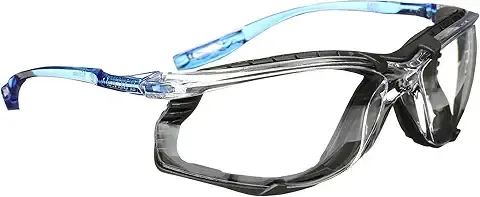
NoCry Safety Glasses have become a favorite among contractors seeking affordable protection with all-day comfort.
Key Features
Adjustable temples
Anti-fog coating
Wraparound protection
Scratch-resistant lenses
Lightweight design
Best For
Water damage restoration and general remediation projects.

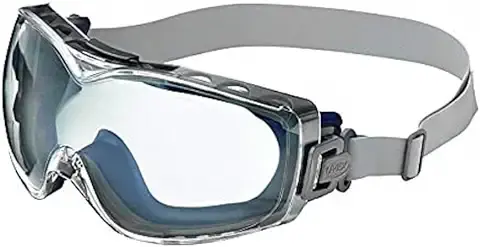
The Uvex Stealth OTG is designed to fit comfortably over prescription eyewear while maintaining excellent protection.
Key Features
Over-the-glasses design
Anti-fog coating
Low-profile fit
Wide field of vision
Comfortable headband
Best For
Remediation professionals who wear prescription glasses.
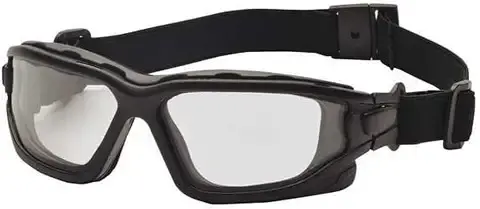
The Pyramex I-Force combines the appearance of safety glasses with the seal of a goggle, making it a versatile option for restoration contractors.
Key Features
Dual-pane anti-fog lens
Foam-lined seal
Lightweight design
Adjustable strap
Impact-resistant construction
Best For
Mold removal, crawlspace work, and dusty environments.
Safety Glasses vs. Goggles for Remediation
Many contractors wonder whether safety glasses or goggles are better for remediation work.
Safety glasses are ideal for:
General restoration projects
Property inspections
Water mitigation work
Everyday jobsite tasks
Safety goggles are often preferred for:
Mold remediation
Demolition activities
Heavy dust exposure
Biohazard cleanup
Chemical applications
Many remediation companies keep both options available and use them based on the specific jobsite hazards.
Building a Complete PPE System
Eye protection should be used alongside other PPE when required, including:
Nitrile gloves
Respirators
PAPR systems
Disposable coveralls
Boot covers
Hard hats
Hearing protection
A complete PPE program helps reduce workplace injuries and supports a safer, more professional operation.
Protect Your Remediation Business with the Right Insurance
While proper PPE helps protect your employees, every restoration contractor should also protect their business from financial risks. Mold remediation and restoration companies face potential liability claims, equipment losses, employee injuries, property damage allegations, and other unexpected exposures.

Wexford Insurance specializes in insurance solutions for restoration and remediation contractors. Whether you're starting a new company or managing an established operation, having the right coverage can provide valuable protection as your business grows.
Final Thoughts
Investing in quality eye protection is one of the simplest ways to improve safety on remediation jobsites. The right eyewear can help reduce exposure to dust, debris, and contaminants while keeping workers comfortable and productive throughout the day. Evaluating fit, durability, visibility, and protection levels can help contractors choose equipment that supports their long-term safety goals.
FAQs
Are goggles better than safety glasses for mold remediation?
In many mold remediation environments, sealed goggles provide better protection because they help prevent airborne particles from reaching the eyes.
What safety rating should remediation contractors look for?
Contractors should look for eye protection that meets ANSI Z87.1 standards for impact resistance and workplace safety.
Do anti-fog lenses make a difference during restoration work?
Yes. Anti-fog coatings can significantly improve visibility, especially when workers are wearing respirators or working in humid environments.