
Best Respirators for Plumbers Working in Crawl Spaces (2026 Buyer's Guide)
Working underneath homes isn't exactly humanity's finest architectural achievement. Someone decided plumbing should occasionally require squeezing into a damp, dusty space barely tall enough for a toolbox, then everyone else nodded and called it a profession.

For professional plumbers, crawl spaces can expose you to mold spores, fiberglass insulation, rodent droppings, wood dust, sewage odors, dirt, and airborne debris. A quality respirator isn't just another piece of PPE. It helps protect your lungs while allowing you to work comfortably for hours.
Whether you're replacing drain lines, repairing water leaks, or installing new plumbing beneath older homes, choosing the right respirator can make a huge difference in both comfort and safety.
In this guide, we'll cover the best respirators for plumbers, explain what features matter most, and help you decide which model fits your work.
Why Plumbers Need Respirators in Crawl Spaces
Many plumbing contractors wear safety glasses and gloves but overlook respiratory protection.
Common hazards include:
Mold spores
Fiberglass insulation
Dust from wood and drywall
Rodent droppings
Dirt and soil particles
Mildew
Sewage odors
Animal nesting materials
Poor ventilation
Repeated exposure can irritate your lungs and may contribute to long-term respiratory problems.
If you're working around sewage backups or mold contamination, proper respiratory protection becomes even more important.
What to Look for in a Plumbing Respirator
Before buying, consider these features.
NIOSH Approval
Only purchase respirators certified by NIOSH.
This ensures the respirator has been tested for filtration performance.
Replaceable Filters
Disposable masks work for occasional jobs.
Professional plumbers should invest in reusable respirators with replaceable filters.
They save money over time while providing better protection.
Comfortable Seal
A poor face seal defeats the purpose.
Look for:
Silicone facepieces
Adjustable straps
Multiple sizes
Low-pressure sealing surfaces
Low Breathing Resistance
You'll often wear a respirator for several hours.
Choose models designed for easier airflow.
Compatibility with Safety Glasses
Many plumbing jobs require:
Eye protection
Headlamp
Hard hat
Hearing protection
A low-profile respirator works best.
Best Respirators for Plumbers
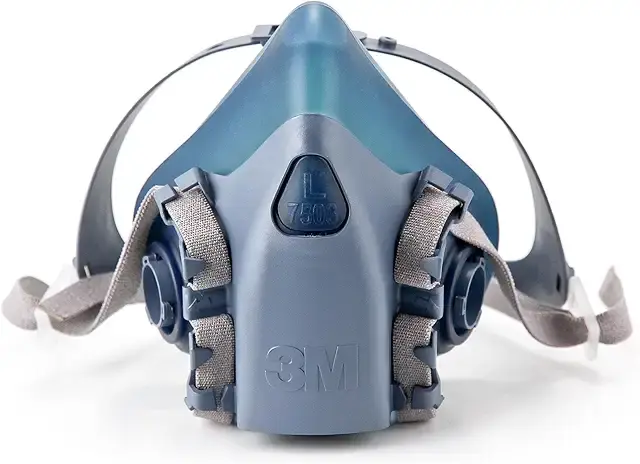
Best Overall
Best For
Everyday plumbing work
Crawl spaces
Mold remediation
Dust protection
Pros
Soft silicone face seal
Extremely comfortable
Lightweight
Easy filter replacement
Excellent durability
Cons
Filters purchased separately
Best Premium Option
Professional plumbing companies appreciate this respirator because it's built for all-day wear.
Pros
Outstanding comfort
Durable construction
Excellent seal
Low breathing resistance
Cons
Higher price

Best Low-Profile Respirator
Ideal when working in tight crawl spaces.
Its slim design fits well under face shields and safety glasses.
Pros
Compact
Lightweight
P100 filtration
Comfortable
Cons
Limited filter options

Best Value
One of the best combinations of durability and affordability.
Pros
Excellent price
Comfortable silicone seal
Rugged construction
Easy maintenance
Cons
Slightly heavier than the 7502

Disposable vs Reusable Respirators
Disposable N95 Masks
Good for:
Quick service calls
Minor dusty work
Emergency situations
Pros
Cheap
Lightweight
No maintenance
Cons
Limited lifespan
Lower comfort
Less effective seal
Reusable Half Mask Respirators
Ideal for:
Full-time plumbers
Remodel projects
Crawl space work
Sewer repairs
Mold remediation
Pros
Better seal
Replaceable filters
Lower long-term cost
Superior comfort
Cons
Higher initial investment
Tips for Wearing a Respirator in Crawl Spaces
To maximize protection:
Perform a seal check every time you wear it.
Replace filters according to manufacturer recommendations.
Clean the facepiece after dirty jobs.
Store it in a sealed container or bag.
Never share respirators between workers without proper sanitation.
Good maintenance extends the life of your equipment and ensures reliable protection.
Other PPE Every Plumber Should Use
A respirator works best alongside quality personal protective equipment.
Recommended gear includes:
Safety glasses
Waterproof gloves
Knee pads
Disposable coveralls
Waterproof work boots
LED headlamp
Hearing protection
Combining the right PPE significantly reduces your exposure to jobsite hazards.
Why Professional Plumbing Businesses Trust Wexford Insurance
The right respirator protects your lungs. The right insurance protects your business.

At Wexford Insurance, we work with plumbing contractors across the country to help them find insurance solutions that fit their operations, whether they run a one-person shop or manage multiple service crews.
Our team understands the unique risks plumbers face, including property damage claims, equipment losses, commercial auto exposures, workers' compensation, and general liability concerns.
If you're growing your plumbing business or reviewing your current coverage, Wexford Insurance can help you compare options and build a policy tailored to your needs.
Request a free quote from Wexford Insurance today and make sure your business is protected as well as your crew.
Frequently Asked Questions
Is an N95 mask enough for crawl space plumbing?
An N95 mask can help with basic dust, but a reusable respirator with P100 filters offers significantly better protection against mold, fiberglass, and other fine airborne particles commonly found in crawl spaces.
What is the best respirator for mold exposure?
A reusable half-face respirator equipped with P100 filters is generally the preferred choice for mold-related plumbing work.
How often should respirator filters be replaced?
Replace particulate filters when breathing becomes noticeably more difficult, if the filters are damaged, or according to the manufacturer's recommended service schedule.
Can plumbers wear respirators with safety glasses?
Yes. Many low-profile respirators are specifically designed to fit comfortably alongside safety glasses, goggles, and headlamps.
Are reusable respirators worth the cost?
For professional plumbers who frequently work in crawl spaces, remodels, or dusty environments, reusable respirators provide better protection, greater comfort, and lower long-term costs than disposable masks.
Final Thoughts
Choosing the best respirator for plumbing work isn't just about checking a safety box. It's about protecting your lungs through years of demanding jobs in cramped, dusty, and poorly ventilated spaces. A high-quality reusable respirator with P100 filters can improve comfort, reduce exposure to harmful airborne particles, and become one of the most valuable tools in your safety kit.


