
Best Respirators and Dust Masks for HVAC Work: Top Picks for Safety 2026
- Jun 22
- 4 min read
HVAC technicians regularly encounter airborne hazards that can impact their health and safety. Whether installing ductwork, servicing air handlers, cleaning coils, working in crawlspaces, or removing old insulation, technicians are often exposed to dust, fiberglass particles, mold spores, debris, and other airborne contaminants.

The right respirator or dust mask can significantly reduce exposure to these hazards while helping HVAC professionals remain comfortable and productive throughout the workday.
In this guide, we'll review the best respirators and dust masks for HVAC work in 2026, discuss key features to consider, and help you choose the right respiratory protection for your jobsite needs.
Why HVAC Technicians Need Respiratory Protection
HVAC work often involves environments where air quality is less than ideal. Common exposure risks include:
Fiberglass insulation particles
Dust from ductwork and construction materials
Mold and mildew spores
Attic and crawlspace contaminants
Debris generated during demolition work
Airborne particles from coil cleaning and maintenance
Without proper respiratory protection, repeated exposure can contribute to respiratory irritation and discomfort over time.
Investing in quality respirators and dust masks helps technicians work safely while maintaining compliance with workplace safety standards.
What to Look for in HVAC Respirators and Dust Masks
Filtration Efficiency
Look for products that provide effective filtration against airborne particles commonly encountered in HVAC environments.
Common ratings include:
N95
N99
P100
Higher filtration levels generally provide increased protection against fine particles.
Comfort
HVAC technicians often wear respiratory protection for extended periods.
Comfort features include:
Adjustable head straps
Soft face seals
Lightweight designs
Low breathing resistance
Reusability
Reusable respirators can provide long-term value and often deliver a better fit than disposable masks.
Many HVAC contractors keep both reusable respirators and disposable masks available, depending on the task.
Compatibility with Safety Gear
Respirators should work comfortably alongside:
Safety glasses
Hard hats
Hearing protection
Face shields
Durability
Jobsite conditions can be demanding. Durable construction helps ensure consistent performance over time.
Best Respirators and Dust Masks for HVAC Work
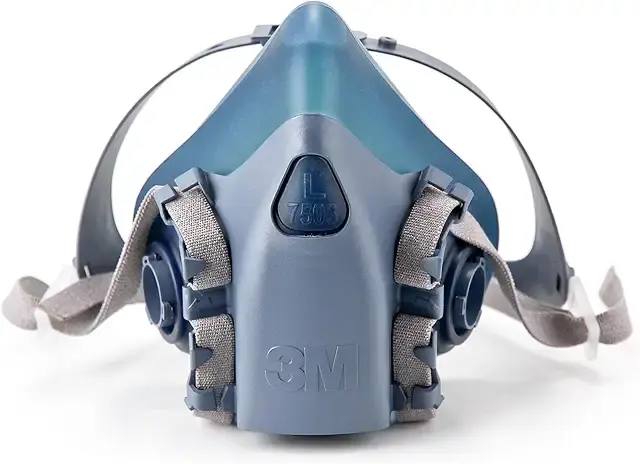
The 3M 6500 Series is one of the most widely used respirators among HVAC technicians and skilled trades professionals.
Key features include:
Durable silicone face seal
Comfortable fit for extended wear
Compatible with multiple filter types
Quick-latch design
Professional-grade construction
This respirator provides excellent protection and versatility for HVAC service and installation work.
The 3M 8511 is a popular disposable respirator designed for dusty work environments.
Key features include:
N95 filtration
Cool Flow exhalation valve
Lightweight design
Adjustable nose clip
Comfortable fit
This mask is ideal for short-term exposure during attic work, insulation handling, and general HVAC maintenance.

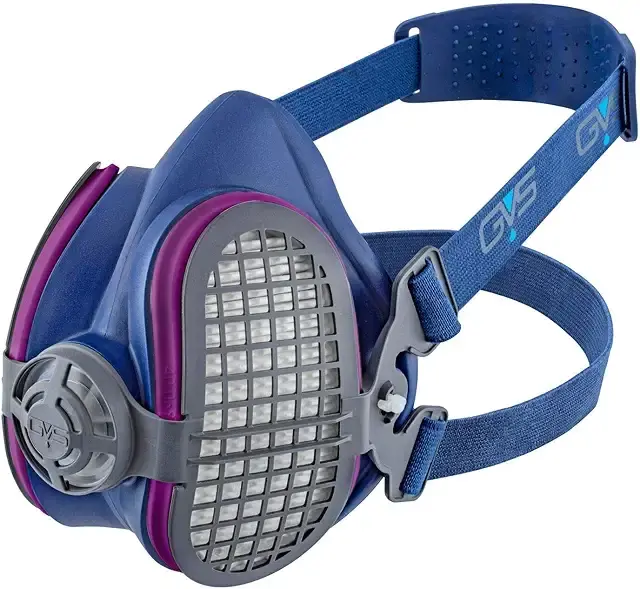
The GVS Elipse P100 Respirator has become a favorite among contractors seeking maximum filtration with a low-profile design.
Key features include:
P100 particulate filtration
Compact profile
Lightweight construction
Replaceable filters
Comfortable fit under safety equipment
Its slim design makes it especially useful for HVAC technicians working in confined spaces.
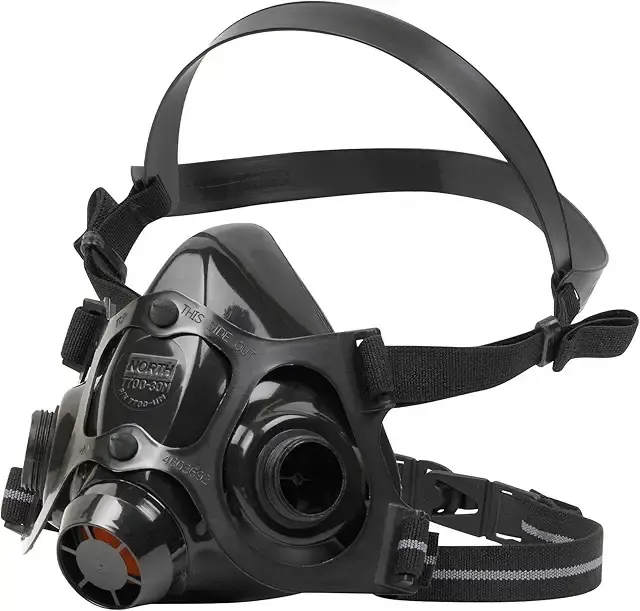
The Honeywell North 7700 Series is a professional-grade respirator known for comfort and durability.
Key features include:
Soft silicone facepiece
Excellent seal quality
Replaceable cartridges
Durable construction
Wide compatibility with filters
This respirator performs exceptionally well for technicians who require respiratory protection on a daily basis.
Choosing Between Disposable and Reusable Respirators
Disposable Dust Masks
Best for:
Short-duration tasks
General dust exposure
Insulation handling
Quick maintenance jobs
Benefits include:
Lower upfront cost
Lightweight design
Convenient replacement
Reusable Respirators
Best for:
Daily HVAC work
Commercial projects
Mold remediation environments
Heavy dust exposure
Long-term cost savings
Benefits include:
Superior protection
Better face seal
Replaceable filters
Greater durability
For many HVAC contractors, keeping both options available provides the greatest flexibility.
Respiratory Safety Tips for HVAC Technicians
To maximize protection:
Inspect respirators before each use
Replace filters according to manufacturer recommendations
Store respiratory equipment properly
Maintain a proper seal against the face
Follow applicable workplace safety guidelines
Replace damaged equipment immediately
Proper use and maintenance help ensure consistent performance and protection.
Protecting Your Business Beyond Jobsite Safety
Personal protective equipment helps reduce workplace risks, but HVAC contractors should also consider protecting their businesses from financial exposures.

Unexpected incidents such as property damage claims, equipment theft, vehicle accidents, or liability lawsuits can significantly impact business operations.
Having the right HVAC contractor insurance coverage can help protect your company and provide peace of mind while you focus on serving customers.
If you're reviewing your business insurance program, consider requesting a quote from Wexford Insurance to explore coverage options tailored specifically for HVAC contractors.
Call us at 317-942-0549 or visit www.wexfordins.com.
Final Thoughts
The best respirators and dust masks for HVAC work help technicians stay safe, comfortable, and productive in challenging environments.
For professional-grade respiratory protection, the 3M 6500 Series Respirator and Honeywell North 7700 Series stand out as top choices. Technicians seeking maximum particulate filtration should consider the GVS Elipse P100 Respirator, while the 3M 8511 N95 remains an excellent disposable option for everyday HVAC tasks.
By investing in quality respiratory protection and maintaining proper safety practices, HVAC professionals can reduce exposure to airborne contaminants and support long-term health throughout their careers. In a trade where you're constantly improving indoor air quality for everyone else, it is remarkably sensible to protect your own lungs too. Humans occasionally get these priorities right.


