
Best Recovery Tanks for HVAC Refrigerant (Buyer's Guide)
- Jun 18
- 4 min read
For HVAC contractors, proper refrigerant handling isn’t just about efficiency—it’s about compliance, safety, and professionalism. Whether you’re recovering refrigerant during system repairs or preparing equipment for disposal, a high-quality refrigerant recovery tank is essential.

Recovery tanks are designed to safely store reclaimed refrigerant, ensuring compliance with EPA regulations while preventing contamination or accidental release. Choosing the right tank can improve workflow efficiency, reduce downtime, and protect both your technicians and your business.
In this guide, we break down the best recovery tanks for HVAC refrigerant, focusing on durability, capacity, and real-world usability. All products are widely available on Amazon and ideal for contractors.
What Is a Refrigerant Recovery Tank?
A refrigerant recovery tank (also called a recovery cylinder) is a pressurized container specifically designed to store recovered refrigerant. Unlike disposable cylinders, recovery tanks are reusable and built to handle repeated filling and evacuation cycles.
Key Uses:
Recovering refrigerant during service or repairs
Storing refrigerant for recycling or disposal
Ensuring compliance with EPA regulations
Preventing environmental contamination
What to Look for in an HVAC Recovery Tank
DOT Certification
A quality recovery tank must meet Department of Transportation (DOT) standards for safety and compliance.
Capacity
Common sizes include:
30 lb tanks (most common for service work)
Larger cylinders for commercial jobs
Durability
Look for steel construction and corrosion-resistant finishes for long-term field use.
Double Valve Design
Dual-valve tanks make it easier to manage liquid and vapor recovery safely.
Compatibility
Ensure compatibility with common refrigerants like:
R-410A
R-22
R-134a
R-404A
Best Recovery Tanks for HVAC Refrigerant
Best Overall for HVAC Contractors
The Yellow Jacket 93850 is one of the most widely used recovery tanks in the HVAC industry.
Key Features:
30 lb capacity
DOT-approved design
Durable steel construction
Dual-valve setup for liquid and vapor
Powder-coated finish for corrosion resistance
Why It Stands Out: This tank is a reliable, contractor-grade option that performs consistently across residential and commercial jobs.

Best Value Option
The Flame King 400 PSI offers solid performance at a competitive price, making it a popular choice for HVAC professionals.
Key Features:
30 lb capacity
Pre-purged and vacuum-ready
DOT-certified cylinder
Heavy-duty steel build
Compatible with multiple refrigerants
Why It Stands Out: A cost-effective option for technicians who need dependable performance without premium pricing.
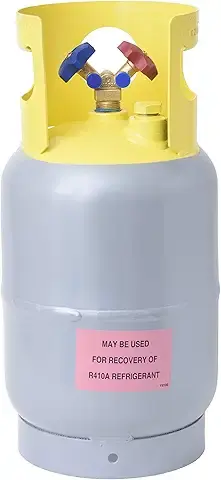
Best for Durability
Mastercool is known for rugged HVAC tools, and this recovery tank is built to handle daily jobsite use.
Key Features:
High-quality welded steel construction
DOT compliance for safety
Dual-port valves
Corrosion-resistant finish
Designed for repeated use
Why It Stands Out: Ideal for contractors who need a long-lasting tank that can withstand frequent transport and heavy workloads.

Best Lightweight Option
The CPS TR21 recovery tank offers a slightly lighter design without sacrificing durability.
Key Features:
DOT-approved cylinder
Dual-valve configuration
Strong steel construction
Easy-to-carry design
Compatible with standard refrigerants
Why It Stands Out: A great choice for technicians moving between multiple job sites who want portability along with reliability.
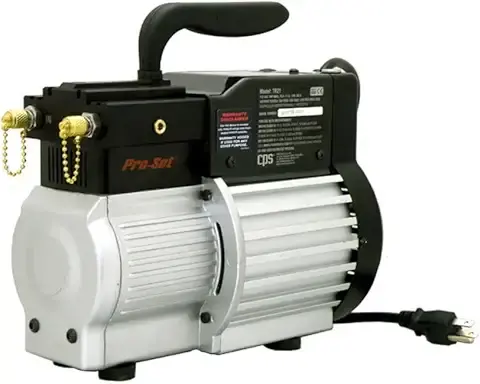
Best for Professional Use
Robinair is a trusted name in HVAC tools, and this tank is designed for professional-grade performance.
Key Features:
30 lb capacity
Durable construction for repeated recovery cycles
DOT compliance
Designed for compatibility with recovery machines
Reliable valve system
Why It Stands Out: Perfect for contractors who already use Robinair equipment and want consistent system compatibility.

How HVAC Contractors Use Recovery Tanks
Recovery tanks are essential for:
Removing refrigerant before repairs
Storing refrigerant for reuse or disposal
Preventing system contamination
Maintaining compliance with EPA regulations
Supporting efficient service workflows
Using a high-quality tank improves both safety and efficiency on every job.
Choosing the Right Recovery Tank for Your Business
Residential HVAC Technicians
The Flame King YSN301 or Yellow Jacket 43000 provide reliable, everyday performance.
Commercial HVAC Contractors
The Mastercool or Appion tanks offer durability for high-volume work.
Portable Setup Needs
The CPS TR21 is ideal for technicians who prioritize mobility.
Why a Quality Recovery Tank Matters
Using a substandard recovery tank can lead to:
Refrigerant leaks
Safety risks on job sites
Compliance violations
Equipment failure
A high-quality recovery tank helps you:
Maintain EPA compliance
Improve safety
Increase efficiency
Deliver professional service
For HVAC businesses, this is critical for protecting both your operations and your reputation.
Protect Your HVAC Business with Wexford Insurance
Handling refrigerant comes with inherent risks—from environmental exposure to jobsite accidents and liability concerns.

That’s why protecting your business goes beyond tools.
Wexford Insurance specializes in helping HVAC contractors secure tailored coverage designed for real-world service risks. Whether you're running solo calls or scaling your business, the right policy ensures you’re protected when it matters most.
Call 317-942-0549 or visit https://www.wexfordinsurance.com/ to get a customized quote for your HVAC business today.
Final Thoughts
A reliable refrigerant recovery tank is a must-have for any HVAC contractor focused on compliance, safety, and efficiency.
If you want the best overall option, the Yellow Jacket 43000 is a proven industry standard.
For value, the Flame King YSN301 delivers dependable performance.
And for heavy-duty commercial work, the Appion and Mastercool tanks stand out.
Invest in the right equipment—and protect your business while you’re at it—and you’ll set your HVAC operation up for long-term success.


