
Best Receptacle Testers for Electrical Contractors (2026)
Electrical contractors rely on receptacle testers every day to verify outlet wiring, identify common electrical faults, and ensure installations meet safety standards. Whether you're performing residential service work, commercial inspections, remodels, or troubleshooting electrical problems, a quality receptacle tester can save time and help identify issues before they become costly problems.

Modern receptacle testers do much more than check basic outlet functionality. Many include GFCI testing, visual fault indicators, voltage measurement capabilities, and advanced diagnostics that make them valuable tools for professional electricians.
In this guide, we'll review the best receptacle testers for electrical contractors in 2026 and help you choose the right model for your business.
Why Electrical Contractors Need a Receptacle Tester
A receptacle tester allows electricians to quickly verify that outlets are wired correctly and functioning safely.
Benefits include:
Rapid outlet inspections
Faster troubleshooting
Verification of proper wiring
GFCI testing capabilities
Improved jobsite efficiency
Enhanced electrical safety
For contractors conducting service calls, inspections, or electrical installations, a receptacle tester is one of the simplest tools that can deliver significant productivity gains.
What to Look for in a Receptacle Tester
Wiring Fault Detection
Look for models capable of identifying common wiring issues such as:
Open ground
Open neutral
Open hot
Hot/ground reversal
Hot/neutral reversal
GFCI Testing
For electricians working with kitchens, bathrooms, garages, and outdoor circuits, integrated GFCI testing is essential.
Ease of Use
Clear indicator lights and straightforward fault charts help speed up diagnostics.
Durability
Contractors need tools that can withstand daily transportation, jobsite conditions, and repeated use.
Additional Features
Some advanced testers include:
Voltage display
LCD screens
Ground impedance testing
Arc fault testing
Data recording functions
Best Receptacle Testers for Electrical Contractors
Best Overall Receptacle Tester
The Klein Tools RT250 combines traditional outlet testing with voltage measurement capabilities, making it one of the most versatile options available.
Key Features
Digital voltage display
GFCI testing
Wiring fault detection
Easy-to-read indicators
Compact design
Pros
Multiple functions in one tool
Accurate voltage readings
Fast diagnostics
Durable construction
Best For
Residential and commercial electricians.

Best Professional-Grade Tester
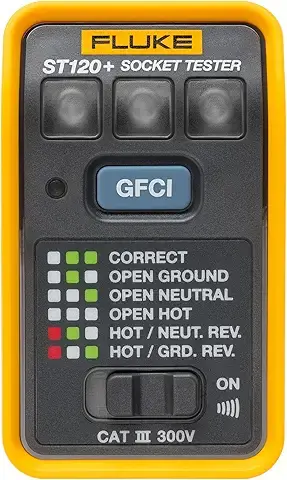
Fluke is known for producing reliable electrical testing equipment, and the ST120+ is designed specifically for professional electrical troubleshooting.
Key Features
GFCI testing
Voltage indication
Wiring verification
Beeper alerts
Rugged construction
Pros
Trusted professional brand
Excellent reliability
Easy operation
Durable design
Best For
Electrical contractors performing daily inspections.
Best Advanced Receptacle Tester
The SureTest goes beyond basic outlet testing by providing deeper electrical diagnostics.
Key Features
Voltage measurement
Ground impedance testing
Load testing
GFCI testing
Circuit diagnostic analysis
Pros
Advanced troubleshooting capabilities
Detailed diagnostics
Professional-grade accuracy
Useful for inspections
Best For
Electrical inspectors and service professionals.

Best for Everyday Service Calls
The Gardner Bender GRT-3500 is a straightforward tester designed for quick outlet verification and GFCI checks.
Key Features
GFCI testing
Fault indication lights
Outlet verification
Compact design
Durable housing
Pros
Easy to use
Portable
Reliable diagnostics
Affordable solution
Best For
General electrical service work.

How to Choose the Right Receptacle Tester
The best receptacle tester will depend on the services you provide.
Residential Electricians
Most residential contractors need reliable wiring verification and GFCI testing capabilities.
Commercial Contractors
Commercial electricians may benefit from advanced diagnostic features and voltage measurement functions.
Service Technicians
Technicians troubleshooting recurring electrical issues often prefer testers with detailed circuit analysis capabilities.
Inspectors
Electrical inspectors can benefit from advanced tools that provide deeper insight into outlet performance and wiring integrity.
Common Uses for Receptacle Testers
Professional electricians use receptacle testers for:
New construction inspections
Remodel projects
Service panel upgrades
GFCI testing
Rental property inspections
Real estate transactions
Troubleshooting outlet problems
Preventive maintenance programs
These versatile tools can help identify issues quickly, reducing troubleshooting time and minimizing callbacks.
Protecting Your Electrical Contracting Business
Quality testing equipment helps protect electricians on the job, but protecting your business requires the right insurance coverage as well.

Electrical contractors face risks such as property damage claims, employee injuries, vehicle accidents, equipment theft, and liability lawsuits. Having the proper insurance policies in place can help protect your company from unexpected financial losses.
Wexford Insurance specializes in helping contractors secure insurance solutions tailored to their specific industries and operations.
Get a Quote from Wexford Insurance
Whether you're an independent electrician or manage a growing electrical contracting company, Wexford Insurance can help you evaluate coverage options including:
General Liability Insurance
Workers' Compensation Insurance
Commercial Auto Insurance
Inland Marine Coverage
Tools and Equipment Coverage
Umbrella Liability Insurance
Protect your business with insurance solutions designed specifically for contractors and skilled trades professionals.
Call 317-942-0549 or visit https://www.wexfordins.com/ to request a customized quote today.
Final Thoughts
A receptacle tester is one of the most practical and frequently used diagnostic tools in an electrician's toolbox. From verifying wiring configurations to testing GFCI protection and identifying outlet faults, these devices help contractors complete work more efficiently and confidently.
When selecting a receptacle tester, prioritize accuracy, ease of use, durability, and the diagnostic capabilities most relevant to your daily work. Investing in a professional-quality tester can improve productivity, enhance safety, and help deliver better results for your customers.
Frequently Asked Questions
1. What does a receptacle tester do?
A receptacle tester checks electrical outlets for common wiring faults, verifies proper operation, and often includes GFCI testing functionality.
2. Can a receptacle tester detect all wiring problems?
No. Receptacle testers can identify many common wiring faults, but some electrical issues require additional testing equipment and diagnostic procedures.
3. Do electricians use receptacle testers on every job?
Many electricians use receptacle testers regularly during installations, inspections, service calls, troubleshooting, and maintenance work because they provide fast and reliable outlet verification.


