Best Radon Fans for Mitigation Contractors (2026 Buyer's Guide)
For radon mitigation contractors, the fan is the heart of every radon reduction system. A properly selected radon fan helps create the negative pressure necessary to pull radon gas from beneath a structure and safely vent it outside. Choosing the right fan can improve system performance, reduce callbacks, and help contractors deliver reliable long-term results for homeowners and commercial clients.
With numerous options available, selecting the best radon fan depends on factors such as airflow requirements, suction performance, noise levels, energy efficiency, and installation environment.
This guide highlights some of the best radon fans for mitigation contractors in 2026 and explains what to look for when purchasing equipment for your growing radon mitigation business.
Why Choosing the Right Radon Fan Matters
A radon mitigation system is only as effective as the fan driving airflow through the piping network. The wrong fan can result in inadequate pressure, poor radon reduction, increased operating costs, and dissatisfied customers.
High-quality radon fans offer several advantages:
Consistent system performance
Long operating life
Quiet operation
Energy efficiency
Reduced maintenance requirements
Improved customer satisfaction
For professional mitigation companies, using proven radon fans helps build trust and maintain a strong reputation.
The Festa AMG Maverick Radon Fan is a popular choice among mitigation professionals seeking strong airflow performance and durable operation. It is frequently used for residential radon mitigation systems that require reliable long-term performance.
Key Features
Energy-efficient motor design
High airflow capabilities
Outdoor-rated construction
Quiet operation
Durable housing
Best For
Residential mitigation systems
Standard sub-slab depressurization
Long-term installations
Single-family homes

The RadonAway RP145 remains one of the most commonly installed radon fans in the industry. Its balance of airflow and suction makes it suitable for a wide range of mitigation projects.
Key Features
Proven industry performance
Low energy consumption
Compact design
Quiet operation
Weather-resistant construction
Best For
Typical residential homes
Retrofit installations
Contractors seeking versatility
Moderate suction applications

The XP201 is designed for projects requiring additional suction and airflow. Contractors often use it for larger homes or challenging soil conditions where standard fans may not provide sufficient performance.
Key Features
Higher suction capability
Professional-grade construction
Continuous-duty motor
Moisture-resistant housing
Reliable performance
Best For
Larger residential structures
Difficult soil conditions
High-resistance mitigation systems
Advanced installations

The Festa AMG Legend EC combines energy efficiency with modern fan technology. Contractors appreciate its operational efficiency and dependable air movement characteristics.
Key Features
Electronically commutated motor
Reduced energy consumption
Long service life
Quiet operation
Professional-grade design
Best For
Energy-conscious homeowners
Residential mitigation systems
New construction mitigation
Long-term performance applications
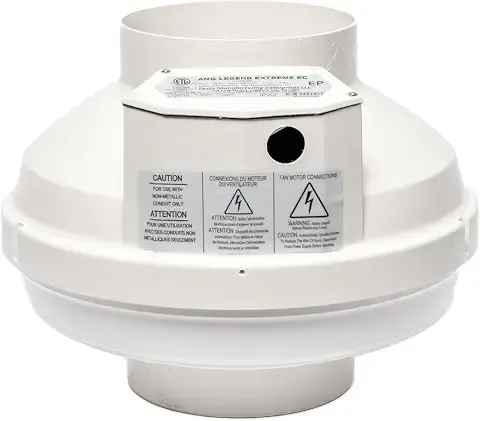
5. RadonAway GP501 Radon Mitigation Fan
The GP501 is built for applications that require greater airflow and suction than entry-level mitigation systems. It is commonly selected for larger buildings and more demanding system designs.
Key Features
High-performance airflow
Durable exterior housing
Designed for continuous use
Excellent reliability
Strong pressure capabilities
Best For
Large homes
Commercial buildings
Complex mitigation systems
High-volume air movement requirements

What to Look for in a Radon Fan
Airflow Requirements
Different structures require different airflow levels. Larger homes and commercial buildings often require more powerful fans capable of moving greater volumes of air.
Suction Performance
Some soil conditions create higher resistance within mitigation systems. Contractors should select fans capable of maintaining adequate pressure under challenging conditions.
Energy Efficiency
Since radon fans operate continuously, energy-efficient models can help reduce long-term operating costs for homeowners.
Noise Levels
Quiet operation is often an important consideration, especially in residential neighborhoods where fans may be mounted on exterior walls.
Durability
Quality radon fans are designed for continuous operation and exposure to varying weather conditions. Investing in reliable equipment can reduce warranty claims and service calls.
Installation Best Practices
To maximize radon mitigation system performance:
Conduct proper diagnostic testing.
Select fan size based on field measurements.
Follow local building codes.
Ensure proper vent pipe sizing.
Verify system pressure after installation.
Perform post-mitigation radon testing.
Proper fan selection and installation help contractors achieve consistent radon reduction results.
Protecting Your Radon Mitigation Business
Radon mitigation contractors face unique risks, including property damage claims, installation errors, employee injuries, vehicle accidents, and equipment losses. As your company grows, having proper insurance coverage becomes increasingly important.

Wexford Insurance works with contractors and specialty service businesses to help identify insurance solutions tailored to their operations. Whether you provide radon mitigation, environmental services, restoration, or indoor air quality solutions, appropriate coverage can help protect your business from unexpected risks.
If you're evaluating your coverage or launching a radon mitigation company, consider contacting Wexford Insurance for a customized insurance quote.
Final Thoughts
Selecting a reliable radon mitigation fan is one of the most important decisions contractors make when designing effective radon reduction systems. Investing in professional-grade equipment can improve installation quality, increase customer satisfaction, and support the long-term success of your mitigation business.
FAQs
What size radon fan do most mitigation systems use?
Most residential systems use moderate-flow fans, but the correct size depends on soil conditions, foundation design, and diagnostic testing results.
How long does a radon mitigation fan typically last?
Many quality radon fans operate continuously for 5 to 10 years or longer when properly installed and maintained.
Can a radon fan be too powerful?
Yes. Oversized fans can create unnecessary energy consumption and system inefficiencies. Contractors should size fans based on diagnostic measurements and system requirements.