
Best PVC Pipe Cutters for Electrical Conduit (Top Picks)
PVC conduit is everywhere on residential, commercial, and industrial electrical jobs. Whether you're installing underground conduit, running conduit through unfinished spaces, or working on service upgrades, clean and accurate cuts matter.

A poor-quality cut can create rough edges, slow down installations, and make it harder to achieve proper glue joints. The right PVC pipe cutter helps electricians work faster while producing cleaner cuts that require less deburring.
In this guide, we'll cover the best PVC pipe cutters for electricians, what features matter most, and which models provide the best value for professionals.
Why Electricians Need a Quality PVC Pipe Cutter
While a hacksaw can cut PVC conduit, dedicated PVC cutters offer several advantages:
Faster cuts
Cleaner edges
Less cleanup
More accurate measurements
Better glue joints
Reduced hand fatigue
Improved productivity
Professional electricians often cut dozens or even hundreds of pieces of conduit in a single week. Saving just a few seconds per cut quickly adds up.
What to Look for in a PVC Pipe Cutter
Before buying, consider these features.
Cutting Capacity
Most electricians regularly work with:
½-inch PVC conduit
¾-inch PVC conduit
1-inch PVC conduit
1¼-inch PVC conduit
1½-inch PVC conduit
2-inch PVC conduit
Choose a cutter that handles the largest size you install regularly.
Ratcheting Mechanism
Ratcheting cutters require less force than direct-cut models and are ideal for repetitive work.
Benefits include:
Easier one-handed operation
Cleaner cuts
Reduced wrist strain
More consistent performance
Blade Quality
Look for:
Hardened steel blades
Replaceable blades
Rust-resistant coating
Precision-ground cutting edge
A quality blade stays sharp much longer.
Comfortable Grip
Rubberized ergonomic handles improve comfort during long workdays.
Small comfort improvements become significant after hundreds of cuts.
Best PVC Pipe Cutters for Electricians
Best Overall
Why electricians like it:
Cuts PVC quickly
Heavy-duty ratcheting mechanism
Comfortable grip
Excellent blade durability
Trusted professional brand
Ideal for:
Daily commercial work
Residential contractors
Service electricians

Best for Daily Service Work
Milwaukee's cutter is lightweight while remaining durable enough for daily use.
Pros:
Smooth ratcheting action
Compact size
Sharp blade
Comfortable handles
Best for:
Service electricians
Maintenance departments
Residential work

Best Brand for Electricians
Many electricians already carry Klein hand tools, making this cutter a natural addition.
Highlights:
Reliable construction
Comfortable grip
Clean cuts
Replaceable blade
Ideal for:
Residential electricians
Commercial service
Apprentice tool kits

Best Budget Choice
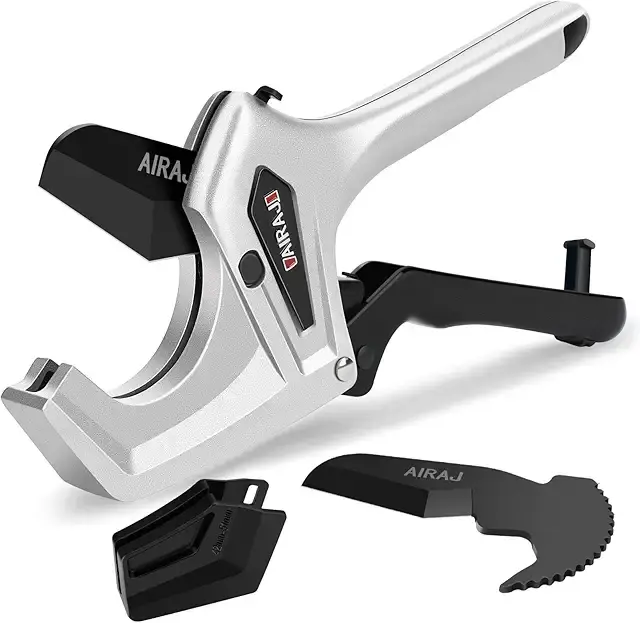
AIRAJ offers solid performance at a lower price.
Pros:
Affordable
Ratcheting action
Comfortable handles
Suitable for occasional use
Great for:
Small contractors
DIY projects
Backup tool
Why Clean PVC Cuts Matter
A clean conduit cut helps:
Improve conduit alignment
Create stronger solvent-weld joints
Reduce installation time
Prevent sharp plastic edges
Produce a more professional finished installation
Many electricians also use a conduit reamer or deburring tool after cutting to remove any remaining burrs before assembly.
Tips for Cutting PVC Conduit
For the best results:
Measure twice before cutting.
Mark the conduit with a permanent marker.
Keep the blade square to the pipe.
Use steady pressure.
Rotate larger conduit slightly during cutting if needed.
Deburr before gluing fittings.
Replace dull blades promptly.
Maintaining Your PVC Cutter
Professional-grade cutters last much longer with proper maintenance.
Simple maintenance includes:
Wipe dirt from the blade daily.
Lubricate pivot points occasionally.
Store the cutter dry.
Replace dull blades.
Avoid cutting materials beyond the tool's rating.
Frequently Asked Questions
Can PVC pipe cutters cut electrical conduit?
Yes. Most ratcheting PVC cutters are designed to cut Schedule 40 PVC electrical conduit cleanly and quickly.
Are ratcheting cutters better than a hacksaw?
For most electricians, yes. Ratcheting cutters create cleaner cuts, work faster, and reduce cleanup time.
Can PVC cutters cut Schedule 80 conduit?
Many heavy-duty cutters can handle Schedule 80 PVC, but thicker conduit requires more force. Always check the manufacturer's maximum capacity.
Should electricians deburr PVC after cutting?
Yes. Even clean cuts should be lightly deburred to improve conduit fit and solvent cement bonding.
How often should blades be replaced?
Blade life depends on usage. Contractors who cut conduit daily may replace blades several times a year, while occasional users may go much longer.
Why Electrical Contractors Choose Wexford Insurance
Every electrical contractor invests thousands of dollars in tools, equipment, work vehicles, and inventory. Protecting those assets is just as important as choosing the right pipe cutter.

Wexford Insurance specializes in helping electrical contractors secure coverage tailored to their business. Whether you need general liability insurance, commercial auto insurance, workers' compensation, tool and equipment coverage, or a complete business insurance package, Wexford can help you compare options from leading insurance carriers to find the right protection.
If you're growing your electrical business or simply reviewing your current coverage, request a quote from Wexford Insurance to ensure your company is protected against the unexpected.
Final Thoughts
A dependable PVC pipe cutter is one of the simplest ways to improve efficiency on electrical jobs. Clean cuts reduce installation time, produce better-looking conduit runs, and help create stronger solvent-welded joints.
For most professional electricians, the RIDGID RC-2375 remains the top overall choice thanks to its durability, cutting performance, and long-term reliability. Contractors looking for a lighter everyday option will appreciate the Milwaukee PVC Cutter, while Klein Tools, General Tools, and AIRAJ provide excellent alternatives at different price points.


