Best Odor Counteractants for Restoration Contractors (Top Picks)
- Aug 10
- 4 min read
Odor removal is one of the most important yet challenging aspects of restoration work. Whether you're handling smoke damage, water losses, mold remediation, sewage backups, or pet contamination, lingering odors can quickly lead to customer complaints and costly callbacks if they aren't addressed properly.

Professional restoration contractors rely on odor counteractants to neutralize unpleasant smells at their source rather than simply masking them. The right products can help improve indoor air quality, increase customer satisfaction, and support more successful restoration outcomes.
In this guide, we'll review some of the best odor counteractants for restoration contractors and explain what makes each product useful for professional remediation and restoration work.
Why Odor Counteractants Matter in Restoration
Odors often remain long after visible damage has been cleaned or repaired. Smoke particles, mold contamination, sewage residues, and pet odors can penetrate porous materials and continue producing unpleasant smells.
Professional odor counteractants can help:
Neutralize odor molecules
Reduce restoration callbacks
Improve customer satisfaction
Support indoor air quality improvement
Enhance deodorization efforts
Complement cleaning and remediation procedures
Using the right odor elimination products is often a critical step in delivering a complete restoration service.
Odorcide Fire & Flood Odor Eliminator is a professional-grade deodorizer designed for restoration environments. It is commonly used after fire losses, water damage incidents, and smoke contamination events.
Key Features
Concentrated formulation
Targets severe odors
Suitable for thermal fogging
Professional restoration use
Multi-surface application
Best For
Fire damage restoration
Water damage projects
Smoke odor removal
Structural deodorization

Unsmoke Air Neutralizer is widely recognized within the restoration industry for treating
airborne odors associated with smoke and fire damage.
Key Features
Airborne odor neutralization
Professional restoration formula
Fast application
Pleasant scent profile
Compatible with multiple deodorization processes
Best For
Fire losses
Commercial restoration
Smoke contamination
Indoor odor management

Fresh Wave IAQ utilizes plant-based ingredients to address challenging odors without relying on harsh fragrances. Many contractors use it in occupied residential and commercial environments.
Key Features
Plant-based formulation
Low fragrance profile
Safe for occupied spaces
Multiple application methods
Effective odor control
Best For
Residential restoration
Property management
Mold remediation projects
General odor elimination

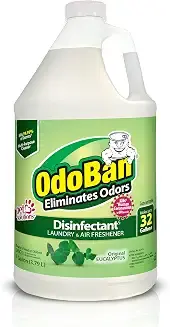
OdoBan is a versatile product commonly used by restoration professionals for odor control and surface treatment applications.
Key Features
Multi-purpose formula
Concentrated solution available
Broad application flexibility
Easy dilution ratios
Professional cleaning capabilities
Best For
Water damage jobs
Sewage cleanup
Residential properties
General restoration services
How to Choose the Best Odor Counteractant
Identify the Odor Source
Different odors require different treatment approaches.
Common restoration odors include:
Smoke damage odors
Mold and mildew odors
Sewage contamination
Pet-related odors
Water damage odors
Biological contamination
Selecting the correct counteractant increases effectiveness.
Consider Application Method
Restoration contractors often utilize:
Pump sprayers
Thermal foggers
ULV foggers
Air scrubbers
Direct surface applications
Choose products that align with your preferred deodorization methods.
Evaluate Occupancy Requirements
Occupied homes and businesses may benefit from products with lower fragrance levels and less intrusive application requirements.
Factor in Project Size
Larger losses often justify concentrated products that provide more economical treatment on a per-job basis.
Odor Removal Best Practices
For optimal results:
Remove the source of the odor whenever possible.
Complete cleaning before deodorization.
Use HEPA filtration where appropriate.
Treat both surfaces and air space.
Follow manufacturer mixing instructions.
Verify odor removal before project completion.
The most successful restoration projects combine cleaning, drying, remediation, and odor control into a complete restoration process.
Protecting Your Restoration Business
Restoration contractors face a variety of risks, including property damage claims, equipment losses, worker injuries, pollution exposures, and liability concerns. Having the proper insurance coverage can help protect your business as it grows.

Wexford Insurance specializes in helping restoration contractors find insurance solutions tailored to their operations. Whether you focus on fire restoration, water mitigation, mold remediation, odor control, or disaster recovery services, customized coverage can help safeguard your business from unexpected challenges.
If you're reviewing your current insurance program or starting a restoration company, consider contacting Wexford Insurance for a customized business insurance quote.
Call 317-942-0549 or visit https://www.wexfordis.com/ to learn more about insurance solutions for restoration contractors.
Final Thoughts
Effective odor management is often the difference between a satisfactory restoration project and an exceptional one. The right deodorization solutions can help eliminate stubborn odors, improve customer satisfaction, and reduce costly callbacks. By incorporating professional-grade odor counteractants into your restoration process, you can deliver cleaner, healthier, and more successful outcomes for your clients.
FAQs
What is the difference between an odor counteractant and an air freshener?
An odor counteractant is designed to neutralize or eliminate odor molecules, while an air freshener typically masks odors with fragrance.
Which odor counteractants work best for smoke damage?
Professional-grade products specifically formulated for smoke and fire restoration generally provide the best results when combined with proper cleaning and deodorization procedures.
Should odor counteractants be used before or after cleaning?
Most restoration professionals apply odor counteractants after cleaning and source removal. This approach allows the product to address any remaining odors more effectively.