
Best Nut Drivers for HVAC Technicians (Pro Picks)
- Jun 18
- 3 min read
Nut drivers are one of those tools that don’t get much attention until you’re stuck on a rooftop unit with a stripped screw and a panel that refuses to cooperate. For HVAC technicians, they are essential for installing, servicing, and maintaining electrical panels, HVAC housings, air handlers, and control systems.

A good nut driver improves speed, reduces hand fatigue, and prevents fastener damage. A bad one turns a 10-minute job into a 40-minute exercise in frustration.
This guide breaks down the best nut drivers for HVAC technicians based on durability, torque performance, grip comfort, and real-world field use.
What Makes a Nut Driver Good for HVAC Work?
HVAC environments are not gentle. You deal with tight spaces, overhead work, heat, vibration, and rusted fasteners.
Here’s what actually matters:
1. Magnetic Tip Strength
A weak magnet means dropped screws in impossible places. A strong magnet saves time and sanity.
2. Shaft Durability
Look for hardened steel or impact-rated construction. HVAC work applies constant torque pressure.
3. Deep Socket Design
Essential for threaded rods, long bolts, and recessed fasteners in electrical panels.
4. Grip Comfort
You’ll use these tools for long periods. Cheap handles cause fatigue and slipping.
5. Size Accuracy
Poorly machined drivers round off nuts, which is basically sabotage against your own workflow.
Best Nut Drivers for HVAC Technicians (Pro Picks)
Klein Tools is widely considered a standard in HVAC toolkits due to its reliability and job-site durability.
Key Features
Multiple nut driver sizes integrated into one tool
Impact-rated shaft for power tools
Strong magnetic retention system
Compact design for service work
Advantages
Reduces the need to carry multiple drivers
Excellent for service technicians on call rotations
Strong durability under repeated use
Limitations
Not ideal for precision-heavy or specialty fastening work
Best For
Service technicians needing a compact, multi-purpose solution.

Klein focuses heavily on impact-rated tool systems, and this set is designed for high-torque HVAC applications.
Key Features
Shock-resistant construction
Color-coded sizing system
Designed for impact driver compatibility
Reinforced steel structure
Advantages
Excellent torque resistance
Easy size identification on the job
Performs well in demanding environments
Limitations
Slightly bulkier than manual-only sets
Best For
Installers and technicians using impact tools frequently.

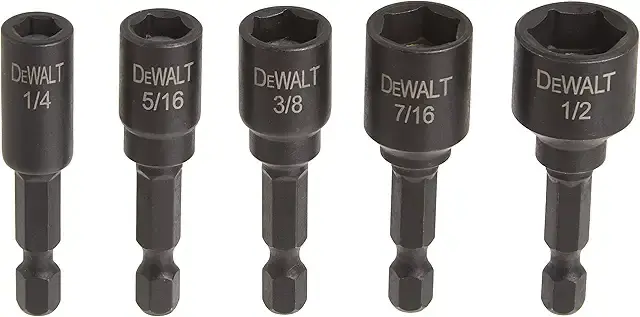
DEWALT offers a strong balance between affordability and durability, making it a common choice for HVAC professionals.
Key Features
Heat-treated steel construction
Strong magnetic tip retention
Durable coating for corrosion resistance
Advantages
Reliable for daily HVAC service work
Good mid-range pricing
Widely available replacement options
Limitations
Grip comfort is average compared to premium brands
Best For
General HVAC maintenance and service technicians.
Wera is known for precision engineering and ergonomic design, often preferred by technicians who prioritize comfort and accuracy.
Key Features
Ergonomic Kraftform handle design
High-precision machining
Long-lasting, wear-resistant tips
Optimized torque transfer
Advantages
Excellent hand comfort during long work sessions
Reduced strain during repetitive tasks
High-quality manufacturing consistency
Limitations
Higher price point than standard sets
Best For
Technicians working long shifts or precision-sensitive installations.

Buying Guide for HVAC Technicians
Choose Based on Your Work Type
Service techs → Compact multi-tools
Installers → Torque-rated sets
Maintenance techs → Durable mid-range kits
Don’t Overpay for Features You Don’t Use
A 20-piece set looks impressive until you realize you use three sizes 90% of the time.
Magnet Strength Matters More Than You Think
A strong magnetic tip reduces dropped fasteners in tight HVAC cabinets.
Grip Quality Affects Long-Term Fatigue
Poor handles cause hand strain, especially during repetitive service work.
Maintenance Tips for Nut Drivers
Clean tips regularly to maintain magnet strength
Avoid using non-impact drivers with impact-rated bits improperly
Store in dry tool rolls to prevent corrosion
Replace worn tips before they round off fasteners
Common Mistakes HVAC Technicians Make
Using the wrong size driver “because it almost fits”
Over-torquing small fasteners
Buying cheap sets that strip within months
Ignoring grip comfort during purchase
When to Upgrade Your Nut Driver Set
You should consider upgrading if:
Fasteners begin rounding frequently
Magnetic retention weakens
Handles become slippery or cracked
You rely on one size more than others
Business Protection for HVAC Professionals
HVAC work carries on-site risks involving equipment damage, electrical systems, and client property.

Having proper insurance coverage protects your business from unexpected financial exposure.
For business insurance support, you can request a quote at 317-942-0549 or visit www.wexfordins.com.
Conclusion
Nut drivers may seem like a basic tool, but in HVAC work they directly affect speed, accuracy, and efficiency on the job. Choosing the right set reduces downtime, prevents fastener damage, and improves overall workflow.
A properly selected nut driver set is not just a tool purchase—it is a long-term productivity investment for HVAC professionals.


