Best Mold Remediation Starter Equipment Packages (Top Picks)
Starting a mold remediation business requires more than basic cleaning supplies. To safely remove mold, protect workers, and deliver professional results, contractors need the right equipment from day one. The good news is that you don't need a warehouse full of gear to get started. By investing in a few essential pieces of mold remediation equipment, new business owners can handle residential projects while building a foundation for future growth.

This guide covers the best mold remediation starter equipment packages for new contractors and restoration companies looking to enter the mold removal industry.
Why the Right Mold Remediation Equipment Matters
Mold remediation projects can expose workers and occupants to airborne mold spores and contaminants. Professional equipment helps contractors:
Improve air quality during remediation
Contain mold spores
Monitor moisture conditions
Dry affected materials
Protect workers
Deliver professional results
Increase customer confidence
For startups, purchasing reliable equipment can help generate referrals and positive reviews while reducing costly mistakes.
What Should Be Included in a Mold Remediation Starter Package?
A basic mold remediation equipment package should typically include:
HEPA air scrubber
Commercial dehumidifier
Moisture meter
HEPA vacuum
Respiratory protection
Containment supplies
The products below are commonly used by mold remediation contractors and can help new businesses start building their equipment inventory.
An air scrubber is one of the most important tools in mold remediation. It helps remove airborne mold spores and improves air quality inside containment areas.
Key Features
True HEPA filtration
Variable speed control
Compact design
Stackable construction
Durable housing
Best For
Creating negative air environments and capturing airborne contaminants during remediation projects.

Controlling moisture is critical because mold thrives in damp environments. A commercial dehumidifier helps remove excess humidity and supports the drying process.
Key Features
Low-grain refrigerant technology
Compact footprint
High water removal capacity
Automatic controls
Easy transportation
Best For
Drying residential properties after mold cleanup and water intrusion.

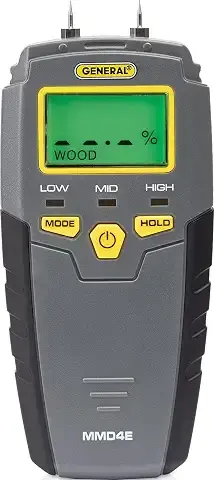
A moisture meter allows contractors to identify hidden moisture and verify that materials have dried to acceptable levels.
Key Features
Digital display
Accurate moisture readings
Portable design
Easy operation
Multiple material settings
Best For
Moisture inspections and documenting drying progress.
HEPA vacuums are commonly used during mold remediation to remove mold spores and contaminated dust from surfaces.
Key Features
HEPA filtration
Portable design
Compact construction
Powerful suction
Easy maintenance
Best For
Surface cleaning and remediation support work.

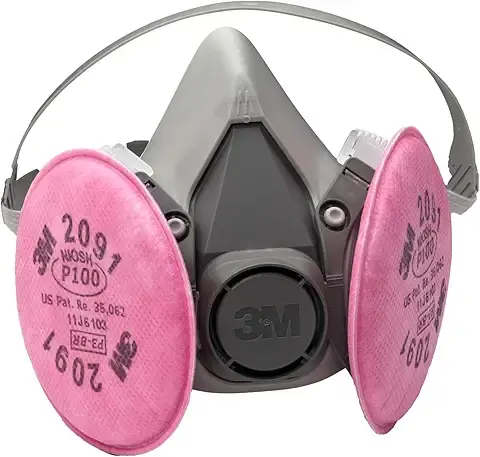
Respiratory protection is essential when working around mold-contaminated environments.
Key Features
Reusable respirator design
Comfortable fit
P100 filter compatibility
Adjustable straps
Lightweight construction
Best For
Protecting technicians during mold remediation projects.
How Much Equipment Does a New Mold Remediation Business Need?
Many startup mold remediation companies begin with enough equipment to handle small residential jobs before expanding into larger projects.
Factors affecting equipment needs include:
Service area size
Project volume
Commercial vs. residential focus
Number of technicians
Budget considerations
Investing in core equipment first allows business owners to generate revenue before purchasing additional units.
Additional Equipment to Consider as You Grow
As your mold remediation company expands, you may want to add:
Thermal imaging cameras
Additional air scrubbers
Larger dehumidifiers
Negative air machines
Containment poles
HEPA backpack vacuums
Moisture mapping software
These tools can help increase efficiency and allow your business to take on larger projects.
Protect Your Mold Remediation Business with the Right Insurance
Equipment is a major investment, but protecting your business goes beyond purchasing tools. Mold remediation contractors face risks that may include property damage claims, employee injuries, equipment theft, and liability exposures.

Wexford Insurance specializes in insurance solutions for mold remediation and restoration contractors. Whether you're launching a new company or expanding your operations, the right insurance coverage can help protect the business you've worked
Final Thoughts
Starting a mold remediation business requires investing in reliable equipment that supports safety, efficiency, and professional results. By focusing on air filtration, moisture control, inspection tools, contamination removal, and worker protection, new contractors can build a strong foundation for long-term success while positioning themselves for future growth.
FAQs
What is the most important piece of mold remediation equipment?
Most contractors consider a HEPA air scrubber essential because it helps capture airborne mold spores and improve air quality during remediation.
Do I need a moisture meter for mold remediation?
Yes. A moisture meter helps identify hidden moisture sources and verify that drying goals have been achieved after remediation.
Can I start a mold remediation business with a small equipment package?
Yes. Many successful contractors begin with core equipment for residential projects and gradually expand their inventory as revenue and project volume increase.