
Best Ladders for Drywall Contractors
Drywall installation and finishing require frequent overhead work—hanging ceiling board, taping high seams, finishing corners, and sanding upper walls. The right ladder improves safety, reduces fatigue, and speeds up production. Using homeowner‑grade ladders or the wrong ladder type increases fall risk and slows down workflow.

Below are the best ladder types drywall contractors rely on.
Fiberglass step ladders are the most common choice on drywall jobsites. They provide stability, electrical safety, and enough height for most residential and light commercial work.
Why drywall contractors prefer them:
Non‑conductive material for electrical safety
Wide steps for comfort during long tasks
Stable base for taping and finishing
Durable under daily jobsite use
Most crews keep both 6’ and 8’ ladders on hand.

Platform ladders offer a large standing surface, making them ideal for extended finishing work such as ceiling taping, sanding, or skim coating.
Best for:
Long overhead tasks
Reduced leg and foot fatigue
Improved balance and comfort
These ladders improve productivity on finish‑heavy jobs
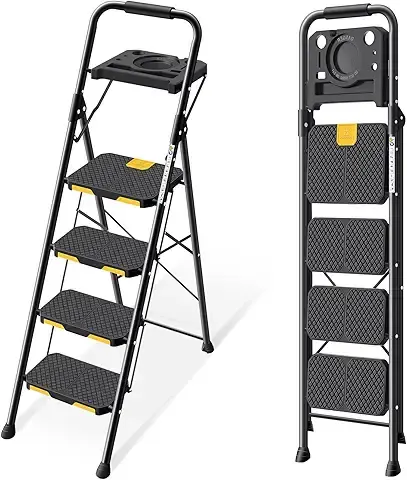
For stairwells, tall walls, and multi‑story spaces, extension ladders provide the necessary reach that step ladders cannot.
Why contractors use them:
Access to high ceilings and wall runs
Essential for stairwell drywall work
Strong load ratings for tools and materials
Fiberglass extension ladders are preferred for safety.

Multi‑position ladders can be configured as step ladders, extension ladders, or scaffold bases—making them extremely versatile on drywall jobs.
Advantages:
Works on uneven floors
Useful in staircases and tight spaces
Reduces the number of ladders needed on site
Popular for remodels and commercial interiors.

Some drywall finishers use stilts for taping and sanding ceilings. While they increase speed, they require training and strict safety practices.
Best used by:
Experienced finishers
Large open areas
Crews comfortable with elevated movement
Not recommended for beginners or cluttered jobsites.

Why the Right Ladder Matters
Improves jobsite safety
Reduces fatigue during overhead work
Increases finishing speed
Prevents falls and injuries
Supports professional‑grade workflow
Ladders are productivity tools—not just access equipment.
Protect Your Drywall Business
Falls and jobsite injuries are among the most common risks in drywall work. Combined with equipment damage and liability exposure, proper insurance is critical. Drywall contractors rely on Wexford Insurance for coverage designed to protect crews, tools, and daily operations.

👉 Click here to get a fast no obligation quote from Wexford Insurance.

