
Best Knee Pads for Plumbing Contractors (2026 Buyer's Guide)
- Jul 8
- 5 min read
Every plumber knows that your knees take a beating long before your tools wear out. Hours spent under sinks, inside crawl spaces, on concrete basement floors, and in mechanical rooms can eventually lead to chronic pain, bursitis, or long-term joint damage. Human
bodies, in a stunning display of questionable engineering, apparently weren't designed to kneel on concrete for eight hours.

A quality pair of knee pads isn't just another accessory. It's protective equipment that helps reduce fatigue, improves comfort, and can even make you more productive throughout the workday.
Whether you're installing water heaters, roughing in new construction, replacing valves, or working in commercial buildings, choosing the right knee pads can save your knees for years to come.
In this guide, we'll review the best knee pads for plumbers in 2026, explain what features matter most, and help you find the best option for your work style.
Why Every Plumbing Contractor Should Wear Knee Pads
Professional plumbers spend a significant portion of their day kneeling.
Common jobs include:
Toilet installations
Sink repairs
Cabinet plumbing
Water heater installations
Crawl space repairs
Pipe rough-ins
Slab leak repairs
Commercial restroom maintenance
Without adequate protection, repeated pressure on the knees can lead to:
Knee pain
Joint inflammation
Bursitis
Cartilage damage
Lower back fatigue
Reduced mobility over time
A good pair of knee pads distributes pressure evenly while cushioning your joints against hard surfaces.
What to Look for in Plumbing Knee Pads
Before buying, consider these important features.
Thick Gel Cushioning
Gel inserts absorb pressure better than basic foam.
They're especially useful for plumbers who spend multiple hours kneeling every day.
Comfortable Straps
Poorly designed straps can:
Cut off circulation
Slip constantly
Irritate the back of the legs
Look for wide elastic or neoprene straps with adjustable buckles.
Non-Marring Caps
Many plumbing jobs occur inside finished homes.
Soft rubber caps prevent scratching:
Hardwood floors
Tile
Vinyl flooring
Finished concrete
Lightweight Construction
Heavy knee pads become uncomfortable during long service calls.
A lightweight design reduces fatigue while still providing protection.
Water Resistance
Plumbers frequently work around:
Wet floors
Crawl spaces
Mud
Standing water
Closed-cell foam and waterproof outer materials hold up much better than fabric.
Best Knee Pads for Plumbing Contractors
Best Overall
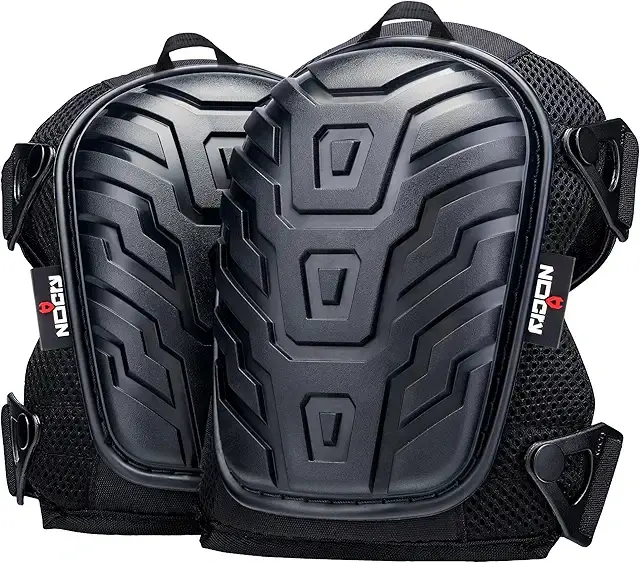
These are among the highest-rated professional knee pads for contractors.
Features
Thick EVA foam
Gel cushion core
Heavy-duty adjustable straps
Soft anti-slip cap
Lightweight construction
Pros
Excellent comfort
Doesn't slide around
Great for long service calls
Affordable
Cons
May feel bulky for tight crawl spaces
Best For: Residential service plumbers
Best Premium Choice
These are built specifically for professional trades.
The patented thigh support shifts pressure away from the knees and distributes weight across the leg.
Features
GelFit technology
Thigh support platform
Replaceable rubber shins
Heavy-duty buckles
Extremely durable shell
Pros
Outstanding support
Excellent for concrete
Long lifespan
Comfortable for all-day wear
Cons
Larger than standard knee pads
Best For: Commercial plumbers and new construction.

Best Lightweight Option
These are ideal for plumbers who move frequently between service calls.
Features
High-density foam
Slip-resistant cap
Lightweight shell
Comfortable straps
Pros
Easy to wear
Doesn't feel bulky
Great mobility
Cons
Less padding than premium models
Best For: Residential repair work.

Best Budget Option
If you're looking for dependable protection without spending a fortune, these are an excellent value.
Features
Flexible rubber shell
Thick foam interior
Adjustable straps
Lightweight
Pros
Affordable
Comfortable
Good flexibility
Cons
Foam compresses faster than gel
Best For: Occasional kneeling.

Are Expensive Knee Pads Worth It?
For plumbers who kneel daily, premium knee pads usually pay for themselves.
Benefits include:
Less fatigue
Reduced knee pain
Better mobility
Improved productivity
Longer lifespan than budget models
If you're only doing occasional plumbing work, a quality mid-range pair is usually sufficient.
How Long Do Knee Pads Last?
Average lifespan depends on usage:
Daily commercial use: 6 to 12 months
Residential service work: 1 to 2 years
Occasional DIY use: several years
Replace knee pads when:
Cushioning becomes compressed
Straps stretch out
Shell cracks
Padding shifts
Gel leaks
Tips for Making Knee Pads Last Longer
You can extend the life of your knee pads by:
Cleaning dirt and debris regularly
Allowing them to dry after wet jobs
Avoiding prolonged sun exposure
Inspecting straps monthly
Replacing worn straps when possible
Other Protective Gear Every Plumber Should Own
Knee pads are just one part of a complete safety setup.
Consider adding:
Safety glasses
Cut-resistant gloves
Waterproof work boots
Hearing protection
Respirator for dusty environments
High-quality work pants with knee pad pockets
Building a complete safety kit helps reduce injuries and improves comfort on every job.
Protect More Than Your Knees
Investing in quality equipment protects your body, but protecting your plumbing business is just as important.

Whether you're an independent plumber or manage a growing team, the right business insurance helps protect your company from costly claims involving property damage, injuries, tools, vehicles, and liability.
At Wexford Insurance, we specialize in helping plumbing contractors find customized insurance solutions that fit their business and budget. From General Liability and Commercial Auto to Workers' Compensation, Tools & Equipment Coverage, and Commercial Property Insurance, our experienced team understands the unique risks plumbers face every day.
If you're reviewing your equipment this year, it's also a great time to review your insurance coverage. Contact Wexford Insurance for a no-obligation quote and make sure your business is protected just as well as your knees.
Frequently Asked Questions
What type of knee pads do plumbers use?
Most professional plumbers prefer gel-filled knee pads because they provide superior cushioning while remaining comfortable during extended kneeling.
Are hard-cap knee pads safe on finished floors?
Many modern hard-cap knee pads include non-marring rubber surfaces that protect hardwood, tile, and laminate flooring from scratches.
Can knee pads help prevent knee injuries?
Yes. Quality knee pads reduce pressure on joints, improve weight distribution, and help lower the risk of repetitive stress injuries.
Should plumbers buy pants with built-in knee pad pockets?
Work pants with integrated knee pad pockets are an excellent choice for plumbers who frequently move between standing and kneeling throughout the day.
Final Thoughts
The best knee pads for plumbing contractors combine comfort, durability, and long-lasting protection. Whether you're handling residential service calls or commercial installations, investing in the right pair can reduce fatigue, protect your joints, and keep you productive throughout the day.
For most plumbing professionals, the NoCry Professional Gel Knee Pads offer the best balance of comfort, affordability, and durability. Contractors who spend long hours kneeling on concrete may find the added support of the ToughBuilt GelFit or ProKnee AP16 well worth the investment.
As you upgrade your tools and safety gear, don't overlook the importance of protecting your business. Wexford Insurance can help you secure the right coverage so you can focus on serving customers with confidence.


