
Best Heat Guns for PVC Pool Plumbing Work (Bending & Repair Guide)
- Jun 15
- 4 min read
PVC plumbing is everywhere in pool service work—equipment pads, filter systems, pump connections, heater lines, and basically anything that moves water without complaining about its job.

And while PVC is reliable, it is not always cooperative. Pipes crack, fittings misalign, and sometimes you need to bend or adjust a line without rebuilding half the pad.
That’s where a quality heat gun becomes essential.
Used correctly, a heat gun allows pool technicians to soften PVC pipe for controlled bending, repair minor alignment issues, and make precise adjustments during installations. Used incorrectly… well, you’ll probably ruin a fitting. So balance is key.
This guide covers the best heat guns for PVC pool plumbing work, what features matter, and which models are worth keeping in your service truck.
Why Pool Technicians Use Heat Guns on PVC
Heat guns are not just for paint stripping or craft projects. In pool service work, they’re a practical plumbing tool.
Technicians use heat guns for:
Bending PVC pipe for tight equipment pads
Adjusting misaligned plumbing runs
Repairing kinked or stressed lines
Softening fittings for easier installation
Loosening glued joints in controlled situations
Customizing pipe routing in retrofit jobs
Instead of cutting and re-gluing entire sections, controlled heat can save time and materials.
What to Look for in a PVC Heat Gun
Temperature Control
PVC becomes workable around 140–200°F, but overheating can permanently damage the pipe. Adjustable temperature control is critical.
Airflow Settings
Variable airflow helps distribute heat evenly without scorching one spot.
Durability
Jobsite tools get dropped, knocked around, and exposed to dust. You want something that survives truck life.
Nozzle Attachments
Concentrator nozzles help direct heat for precise bending and controlled application.
Safety Features
Overheat protection and stable resting design matter more than people think, especially when you set it down mid-job.
Best Heat Guns for PVC Pool Plumbing Work
Best Overall Choice for Pool Pros
DEWALT consistently builds tools that survive contractor abuse, and this heat gun is no exception.
Key Features:
LCD digital temperature control
Variable heat settings
Overload protection system
Multiple nozzle attachments
Durable contractor-grade build
Why Pool Pros Like It
Precise temperature control makes it ideal for PVC bending without risking pipe damage. It’s powerful enough for commercial use but controlled enough for delicate adjustments.

Best Budget-Friendly Option
Simple, effective, and widely used for light plumbing and maintenance work.
Key Features:
Dual heat settings
Lightweight design
Compact and portable
Easy operation
Why It Stands Out
It’s perfect for occasional PVC bending or small repair tasks without overcomplicating things.

Best for Professional Daily Use
Milwaukee brings rugged durability and strong performance for full-time service technicians.
Key Features:
High-temperature output
Variable speed and heat control
Overload protection
Heavy-duty construction
Why It Stands Out
Designed for repeated daily use, it handles demanding PVC shaping and plumbing adjustments without performance drop-off.

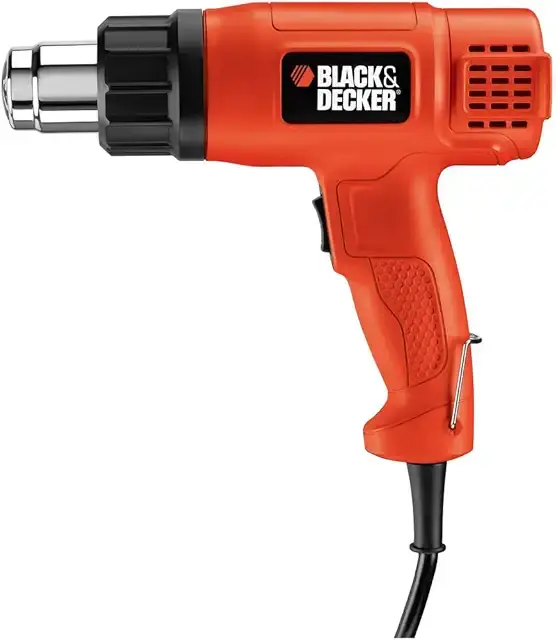
Best Entry-Level Tool
A solid option for newer technicians or backup truck tools.
Key Features:
Two temperature settings
Lightweight build
Simple operation
Affordable price point
Why It Stands Out
It gets the job done for basic PVC heating tasks without requiring investment-level pricing.
Best Value Professional Option
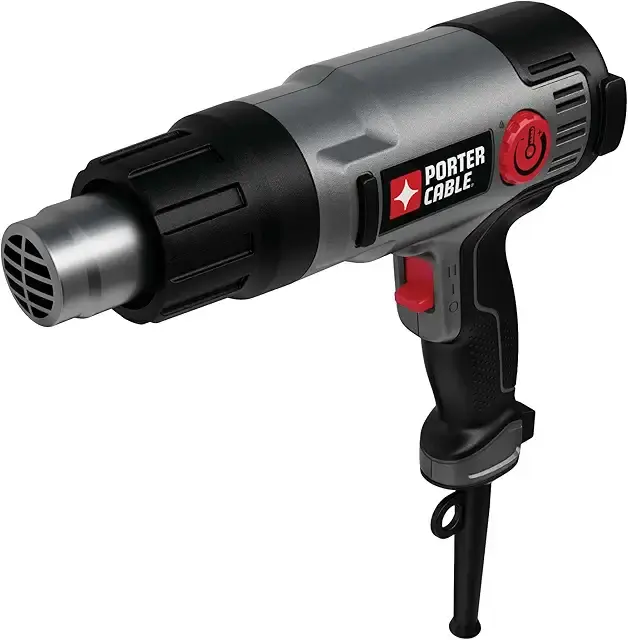
A strong middle-ground tool that balances cost and performance.
Key Features:
Variable temperature control
Multiple nozzle attachments
Stable base for hands-free use
Durable construction
Why It Stands Out
It’s reliable for everyday PVC plumbing adjustments and holds up well in service environments.
Which Heat Gun Should You Choose?
Choose DEWALT If:
You want precise temperature control and a professional-grade tool for frequent PVC bending and repair work.
Choose Milwaukee If:
You need a rugged, daily-use heat gun that can handle constant jobsite conditions.
Choose PORTER-CABLE If:
You want a balanced, mid-range tool that performs well without premium pricing.
Choose Wagner If:
You only need a lightweight option for occasional PVC adjustments.
Choose BLACK+DECKER If:
You want a basic entry-level heat gun for simple repair tasks or backup use.
How Heat Guns Are Used in PVC Pool Plumbing
Pipe Bending for Equipment Pads
Tight equipment pads often require creative pipe routing. Heat allows controlled bending without cutting and re-gluing.
Alignment Adjustments
When plumbing doesn’t line up perfectly, heat can help reposition sections for better fitment.
Repair Work
Minor stress cracks or misaligned joints can sometimes be corrected with localized heating and adjustment.
Retrofit Installations
Older pool systems often require re-routing plumbing around new equipment.
Safety Reminder (Because PVC Melting Smells Like Regret)
PVC is sensitive. Too much heat will deform or weaken the pipe permanently.
Best practices include:
Keep heat moving constantly
Avoid direct overheating in one spot
Use moderate temperature settings
Allow gradual bending instead of forcing movement
Test fit before applying glue or final installation
Yes, it sounds obvious. No, people still burn pipes daily.
Protecting Your Pool Service Business Beyond Tools
Having the right tools improves efficiency, but protecting your business is what keeps everything running long-term.

Pool service companies face real risks such as:
Property damage claims
Plumbing failure liability
Equipment replacement costs
Vehicle accidents
Customer disputes
Workplace injuries
To help safeguard your business, consider getting a quote from Wexford Insurance. Proper coverage helps protect your operation when field repairs don’t go exactly as planned.
Frequently Asked Questions
Can all PVC be bent with a heat gun?
No. Only certain types and thicknesses should be bent, and always with controlled heat application.
What temperature should be used for PVC pipe?
Typically, PVC becomes workable around 140–200°F, but exact requirements vary depending on pipe type and thickness.
Is a heat gun better than a torch for PVC work?
Yes. Heat guns provide controlled, even heating and reduce the risk of burning or weakening the pipe.
Do professional pool technicians use heat guns often?
Yes, especially for equipment pad retrofits, tight-space plumbing, and repair adjustments.
Final Thoughts
A good heat gun is one of those tools that quietly saves hours of plumbing work when used correctly. It turns rigid PVC problems into adjustable solutions instead of full rebuilds.
For most pool service professionals, the DEWALT D26960K offers the best balance of precision and durability. The Milwaukee 8977-20 is ideal for heavy-duty daily use, while PORTER-CABLE provides excellent value for consistent service work.
And if you’re bending PVC without a plan, you’re not plumbing—you’re just negotiating with plastic and hoping it agrees with you.


