
Best Gas Leak Detectors for Plumbing Contractors (Buyer's Guide 2026)
- Jul 6
- 4 min read
Gas leaks are one of the most dangerous situations a plumbing contractor can encounter. Whether you're installing new gas lines, servicing water heaters, replacing furnaces, or responding to emergency calls, having a reliable gas leak detector can protect your customers, your technicians, and your business.
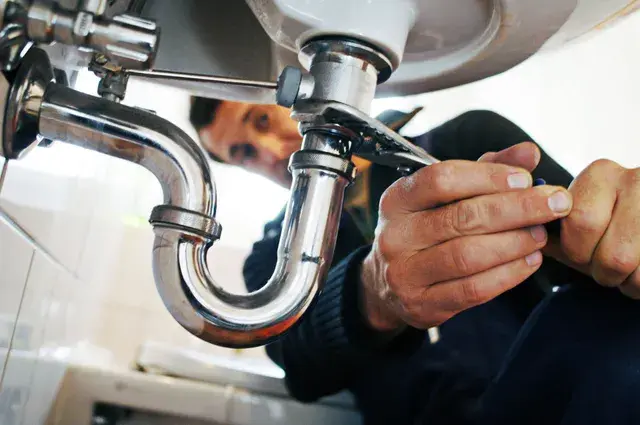
Modern electronic gas leak detectors can quickly locate leaks that soap bubbles might miss, saving time while improving safety and professionalism.
In this guide, we'll compare the best gas leak detectors for plumbing contractors, explain which features actually matter, and help you choose the right detector for your workload.
Why Every Plumbing Contractor Needs a Gas Leak Detector
Professional plumbers regularly work around:
Natural gas lines
Propane systems
Water heaters
Boilers
Furnaces
Gas ranges
Outdoor gas piping
Commercial kitchens
A quality gas detector helps you:
Detect combustible gas leaks faster
Reduce callback visits
Improve customer confidence
Increase technician safety
Verify repairs before leaving the jobsite
Meet industry best practices
For companies offering gas line services, it's one of the highest ROI safety tools you can own.
What to Look for in a Professional Gas Leak Detector
Before purchasing, consider these features.
High Sensitivity
The best detectors locate even tiny leaks before they become hazardous.
Flexible Probe
A long gooseneck probe allows technicians to reach behind appliances, inside cabinets, and around fittings.
Audible & Visual Alerts
Look for alarms with:
Adjustable sensitivity
Loud audible alarm
LED indicators
Vibration alerts (helpful in noisy environments)
Fast Response Time
Professional technicians shouldn't wait several seconds between readings.
Battery Life
Long battery life means fewer interruptions during service calls.
Rugged Construction
Commercial plumbing work is tough on tools. Durable housings are worth the investment.
Best Gas Leak Detectors for Plumbing Contractors
Best Overall
The RIDGID CD-100 is a favorite among professional plumbers because it combines excellent sensitivity with jobsite durability.
Pros
Excellent accuracy
Flexible 16-inch probe
Detects methane, propane, butane, ammonia, hydrogen and more
Fast warm-up
Built for commercial use
Cons
Higher price than entry-level models
Best For: Daily professional plumbing service.

Best Value
Klein Tools delivers professional quality without a premium price tag.
Pros
Excellent sensitivity
Adjustable detection levels
Audible and visual alarms
Durable construction
Easy operation
Cons
Slightly shorter probe
Best For: Residential plumbing contractors.

Best Professional Detector
Designed specifically for HVAC and plumbing professionals.
Pros
Highly accurate
Flexible sensor
Detects multiple combustible gases
Rugged commercial design
Fast response
Cons
Premium pricing
Best For: Contractors performing frequent gas line inspections.

Although primarily designed for refrigerant detection, Fieldpiece offers highly respected leak detection technology. Contractors who also perform HVAC work often add combustible gas detectors from the same professional tool lineup.
Pros
Excellent build quality
Trusted contractor brand
Durable construction
Cons
Verify model specifications before purchasing for combustible gas applications.

Benefits of Using an Electronic Gas Leak Detector
Compared to traditional soap solution testing, electronic detectors offer several advantages:
Locate hidden leaks faster
Reach inaccessible fittings
Detect smaller leaks
Reduce troubleshooting time
Improve technician efficiency
Increase customer confidence
Create a more professional service experience
Many contractors use electronic detectors first and then confirm leak locations with a bubble solution.
Maintenance Tips
Keep your detector performing accurately by:
Replacing batteries regularly
Storing it in a protective case
Calibrating according to manufacturer recommendations
Keeping sensors clean
Performing routine function checks before service calls
Proper maintenance extends the life of your equipment and improves detection accuracy.
Protect Your Plumbing Business Beyond the Jobsite
Having the right safety equipment helps reduce risk, but accidents can still happen. Whether you're operating as an independent plumber or managing a growing plumbing company, having the right insurance coverage is just as important as carrying professional-grade tools.

General liability insurance, commercial auto coverage, workers' compensation, and equipment protection can help safeguard your business from unexpected losses.
If you're looking for insurance tailored specifically to plumbing contractors, request a quote from Wexford Insurance to explore coverage options designed for plumbing professionals.
Frequently Asked Questions
What gases do plumbing gas leak detectors detect?
Most professional detectors identify combustible gases such as natural gas (methane), propane, butane, hydrogen, and similar fuel gases.
Are electronic gas leak detectors better than soap bubbles?
They serve different purposes. Electronic detectors quickly locate suspected leaks, while soap solution is often used to visually confirm the exact leak location.
How often should a gas leak detector be calibrated?
Follow the manufacturer's recommendations. Contractors who use detectors frequently should inspect and calibrate them regularly to maintain accuracy.
Can plumbers use HVAC gas detectors?
Many combustible gas detectors are suitable for both plumbing and HVAC work, provided they are designed to detect combustible gases rather than refrigerants.
Final Thoughts
A dependable gas leak detector is an essential safety tool for plumbing contractors who work with natural gas or propane systems. Models like the RIDGID Micro CD-100, Klein Tools ET120, and UEi CD100A deliver the sensitivity, durability, and reliability professionals need on demanding service calls.
Whether you're outfitting a single service truck or an entire plumbing fleet, investing in a professional-grade gas leak detector can improve safety, reduce callbacks, and enhance your reputation for quality workmanship. As with most things in contracting, spending a little more upfront often saves a great deal later. Humans do have a remarkable talent for discovering that lesson the expensive way.