
Best Data Logging Hygrometers for Drying Documentation (2026)
- 7 hours ago
- 4 min read
Accurate drying documentation is one of the most important aspects of water damage restoration. Whether you're handling flood cleanup, burst pipe losses, commercial water mitigation, or mold remediation projects, documenting environmental conditions helps verify drying progress, support insurance claims, and protect your business from disputes.

That's where data logging hygrometers come in. Unlike standard hygrometers that provide only real-time readings, data logging hygrometers continuously record temperature and relative humidity over time. This allows restoration contractors to track drying conditions, maintain project records, and demonstrate that drying goals were achieved.
In this guide, we'll review some of the best data logging hygrometers for drying documentation and explain why they are essential tools for restoration professionals.
Why Restoration Contractors Need Data Logging Hygrometers
Water damage restoration depends on creating the right drying environment. Tracking humidity and temperature conditions throughout the drying process helps contractors make informed decisions and verify equipment performance.
Data logging hygrometers help contractors:
Document drying conditions
Monitor relative humidity levels
Track temperature changes
Support insurance documentation
Verify dehumidifier performance
Reduce liability risks
Improve project reporting
Increase customer confidence
For many restoration companies, documented drying records are just as important as moisture readings.
What to Look for in a Data Logging Hygrometer
Data Storage Capacity
Larger memory capacity allows longer monitoring periods without downloading data.
Temperature and Humidity Accuracy
Accurate readings are critical when documenting drying conditions.
Download and Reporting Features
Data export capabilities help simplify job documentation.
Battery Life
Long battery life minimizes interruptions during multi-day drying projects.
Ease of Use
User-friendly controls and displays improve field productivity.
Top Data Logging Hygrometers for Drying Documentation
The Govee WiFi Hygrometer Thermometer is widely used for environmental monitoring and provides data logging functionality through a smartphone app.
Key Features
WiFi connectivity
Continuous temperature monitoring
Relative humidity tracking
Mobile app reporting
Historical data storage
Best For
Restoration contractors who want convenient remote monitoring.
Why We Like It
The ability to access readings remotely can save time during active drying projects.

The ThermoPro Hygrometer combines data logging capabilities with Bluetooth connectivity for easy monitoring.
Key Features
Bluetooth data access
Temperature and humidity monitoring
Mobile app integration
Historical trend tracking
Compact design
Best For
Residential drying projects and routine environmental monitoring.
Why We Like It
Its user-friendly setup makes environmental tracking simple for restoration teams.
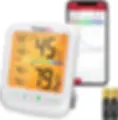
The SensorPush Wireless Hygrometer provides detailed environmental monitoring and long-term data collection.
Key Features
Wireless monitoring
Data logging functionality
High measurement accuracy
Mobile notifications
Long battery life
Best For
Contractors requiring detailed drying records and alerts.
Why We Like It
The monitoring capabilities help restoration professionals stay informed between site visits.

Elitech produces professional monitoring devices designed for continuous environmental data collection.
Key Features
Dedicated data logging
Large storage capacity
USB data download
Accurate humidity monitoring
Long-term recording capability
Best For
Restoration companies focused on detailed drying documentation.
Why We Like It
Its dedicated logging functionality makes it a reliable option for project recordkeeping.

How Data Logging Improves Drying Documentation
Successful restoration projects depend on proving that drying occurred under proper environmental conditions.
Data loggers can help contractors:
Track drying chamber performance
Verify dehumidification progress
Identify humidity fluctuations
Support moisture reports
Improve insurance claim documentation
Create professional project records
Reduce customer disputes
The ability to present documented environmental data can significantly strengthen project files.
Common Uses for Data Logging Hygrometers
Restoration contractors frequently use data loggers during:
Water damage mitigation
Flood restoration
Commercial drying projects
Mold remediation
Structural drying
Crawl space drying
Contents restoration
Insurance-related restoration jobs
These devices provide valuable environmental information throughout the drying process.
Protect Your Restoration Business with Wexford Insurance
Water damage restoration contractors rely on specialized equipment and detailed documentation to deliver successful projects. Protecting your business against unexpected risks is just as important.

Wexford Insurance helps restoration professionals find coverage tailored to their operations. Coverage options may include:
General Liability Insurance
Workers' Compensation Insurance
Commercial Auto Insurance
Inland Marine Insurance
Contractor Equipment Coverage
Commercial Property Insurance
Umbrella Liability Coverage
Whether you're operating a single restoration crew or managing multiple drying projects, proper insurance coverage can help protect your business and support future growth.
Request a quote today by visiting:
Conclusion
Data logging hygrometers are valuable tools for restoration contractors who need accurate environmental monitoring and professional drying documentation. By continuously tracking relative humidity and temperature conditions, these devices help support drying decisions, improve project records, and strengthen communication with property owners and insurance carriers. Investing in a reliable data logging hygrometer can help restoration professionals improve efficiency, reduce risk, and deliver more defensible drying results.
Frequently Asked Questions
1. What is a data logging hygrometer?
A data logging hygrometer is a device that continuously records temperature and humidity readings over time, allowing restoration contractors to document drying conditions throughout a project.
2. Why is drying documentation important in restoration?
Drying documentation helps verify that proper environmental conditions were maintained, supports insurance claims, and provides evidence that drying goals were achieved.
3. Can data logging hygrometers help with mold prevention?
Yes. Monitoring humidity levels helps restoration professionals identify conditions that may encourage mold growth and take corrective action before problems develop.