Best Containment Zippers and Doors for Remediation Work (2026)
- Aug 7
- 4 min read
Containment is one of the most important aspects of mold remediation, water damage restoration, asbestos abatement, and environmental cleanup projects. While containment poles and plastic sheeting create the barrier, containment zippers and doors provide safe, convenient access to the work area without compromising containment integrity.

For restoration contractors, professional containment door systems can improve workflow, reduce contamination risks, and create a more professional appearance on every jobsite. Whether you're building a temporary containment chamber for mold remediation or setting up a negative air environment during water damage restoration, choosing the right containment zipper or door system can make a significant difference.
In this guide, we'll cover the best containment zippers and doors for remediation work in 2026 and explain what contractors should look for before purchasing.
Why Containment Doors Matter in Remediation Projects
Containment doors and zipper systems help contractors:
Maintain containment integrity
Reduce dust migration
Minimize mold spore spread
Support negative air pressure environments
Improve technician access
Increase jobsite efficiency
Reduce contamination risks
Present a professional image to clients
High-quality containment access systems can improve both productivity and project outcomes.
What to Look for in a Containment Zipper or Door System
Before selecting a containment access solution, consider the following factors.
Durability
Remediation projects often involve frequent entry and exit. Choose products designed for repeated use.
Ease of Installation
Fast installation reduces setup time and labor costs.
Compatibility
The system should work well with standard polyethylene containment sheeting.
Accessibility
Contractors benefit from systems that allow quick access while maintaining containment.
Reusability
Reusable products often provide greater long-term value than disposable alternatives.
The ZipWall Standard Zipper Door Kit remains one of the most widely used containment door systems in the restoration industry.
Key Features
Strong adhesive backing
Durable zipper construction
Quick installation
Compatible with standard containment plastic
Creates a reliable access point
Best For
General mold remediation and water damage restoration projects.
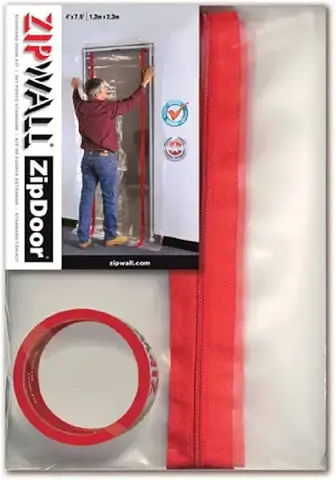
The Heavy-Duty Zipper Door is built for demanding commercial and industrial applications where containment traffic is frequent.
Key Features
Reinforced zipper system
Heavy-duty construction
Long-lasting durability
Easy installation
Supports high-traffic work zones
Best For

The Dust Guard Pro system offers contractors an affordable and practical containment access option.
Key Features
Heavy-duty zipper assembly
Easy peel-and-stick installation
Works with poly sheeting
Reliable containment performance
Professional-grade design
Best For
Water damage restoration and mold containment projects.

Trimaco's containment door provides a reusable alternative designed to improve access and efficiency.
Key Features
Professional construction
Reusable design
Fast setup process
Compatible with standard containment systems
Durable materials
Best For
Contractors looking for a reusable containment entry solution.

Benefits of Professional Containment Access Systems
Faster Jobsite Workflow
Technicians can enter and exit containment areas without damaging barriers or slowing production.
Better Contamination Control
Properly installed containment doors help reduce the spread of dust, mold spores, and debris.
Enhanced Professionalism
Organized containment systems help build client confidence and demonstrate attention to detail.
Improved Safety
Secure containment areas help reduce the likelihood of contaminants reaching unaffected portions of a property.
Other Containment Equipment Restoration Contractors Should Own
For optimal containment performance, contractors often pair zipper door systems with:
Containment poles
Plastic sheeting
Negative air machines
HEPA air scrubbers
HEPA vacuums
Air quality monitors
Dehumidifiers
Antimicrobial sprayers
Using a complete containment system helps support more effective remediation and restoration results.
Why Proper Containment Helps Protect Your Business
Containment failures can lead to costly cleanup expenses, customer complaints, project delays, and potential liability claims. Investing in quality remediation equipment helps reduce operational risks, but contractors should also ensure they're protected with the appropriate insurance coverage.

Wexford Insurance specializes in helping restoration contractors secure insurance solutions designed for the unique risks associated with mold remediation, water damage restoration, fire damage cleanup, and environmental services.
Whether you're launching a new remediation company or expanding an existing operation, requesting a quote from Wexford Insurance can help ensure your business has the protection it needs to continue growing with confidence.
Final Thoughts
The right containment access system can improve efficiency, minimize contamination risks, streamline workflow, and help maintain professional jobsite standards. By investing in durable, reliable solutions that are easy to install and built for repeated use, remediation contractors can create safer work environments, improve productivity, and deliver a better overall experience for their clients.
Frequently Asked Questions
What is a containment zipper used for?
A containment zipper creates a temporary doorway in plastic containment sheeting, allowing technicians to enter and exit work areas without compromising containment.
Are magnetic containment doors better than zipper doors?
Magnetic doors can improve convenience on high-traffic projects, while zipper doors are often a more economical option. The best choice depends on project needs and budget.
Do restoration contractors need containment doors for mold remediation?
Yes. Containment doors help maintain containment integrity, support negative air environments, and reduce the risk of mold spores spreading into unaffected areas.