
Best Condensate Pumps for HVAC Installers (2026 Review)
Updated: Aug 28
Condensate pumps are one of those HVAC components nobody thinks about until they fail—usually right after you’ve left the job site. Then suddenly, water is everywhere, the customer is panicking, and you’re questioning every life choice that led you into HVAC.

For installers, choosing the best condensate pumps is critical for preventing water damage, ensuring proper drainage, and avoiding costly callbacks.
This 2026 review breaks down the most reliable condensate pumps HVAC professionals use in the field and what makes them worth keeping in your truck stock.
Why Condensate Pumps Matter in HVAC Installations
Condensate pumps remove water produced by air conditioners, furnaces, and dehumidifiers when gravity drainage isn’t possible.
If a pump fails, you’re looking at:
Water leaks and ceiling damage
Mold growth risks
Emergency service calls
Customer dissatisfaction
Potential liability issues
So yes, it’s a “small” part until it absolutely isn’t.
What to Look for in a Condensate Pump
Before adding pumps to your HVAC inventory, consider the following:
Pump Capacity
Measured in gallons per hour (GPH). Higher capacity means better performance for commercial or long drainage runs.
Lift Height
Ensure the pump can handle vertical lift requirements for attic or basement installations.
Tank Size
Larger reservoirs reduce cycling frequency and improve longevity.
Alarm Features
Built-in overflow alarms are essential for preventing water damage.
Noise Level
Quieter pumps improve customer satisfaction, especially in residential settings.
Durability
Look for corrosion-resistant components and reliable float switch design.
Best Condensate Pumps for HVAC Installers (2026 Picks)
A long-time industry standard trusted by HVAC installers worldwide.
Key features:
Compact design for tight installations
Reliable vertical float switch
Quiet operation
High compatibility with HVAC systems
This pump is widely used in residential HVAC installations due to its consistent performance and ease of replacement.

One of the most popular contractor-grade pumps for both residential and light commercial use.
Key features:
High flow rate for demanding applications
Integrated safety switch
Durable tank design
Easy maintenance access
Installers prefer this model for jobs where reliability is more important than price sensitivity.

A premium compact option ideal for modern HVAC systems, especially mini-splits.
Key features:
Ultra-quiet operation
Compact, hidden installation design
High efficiency pump system
Ideal for ductless systems
This pump is especially useful for installers working in high-end residential environments where noise control matters.
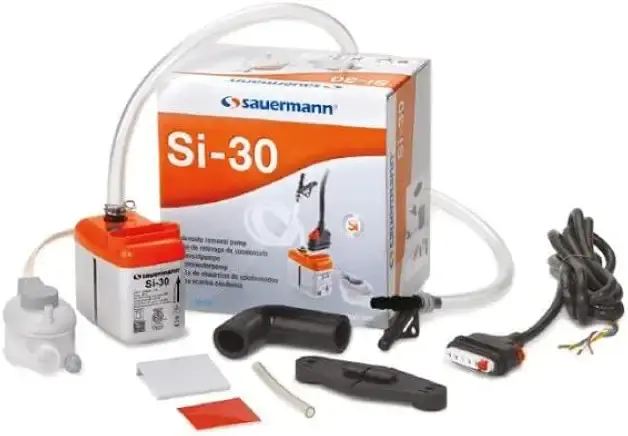
A budget-friendly yet reliable option for standard HVAC installations.
Key features:
Simple installation
Dependable float mechanism
Compact design
Good value for truck stock
Ideal for contractors looking to maintain a cost-effective inventory without sacrificing reliability.

Why HVAC Installers Should Carry Multiple Pump Types
Not every job is the same, and condensate drainage setups vary widely.
Keeping multiple pump types on your truck ensures:
Faster installations
Reduced return visits
Compatibility with different HVAC systems
Fewer emergency callbacks
In HVAC, versatility isn’t optional—it’s profit protection.
Common Condensate Pump Failures to Avoid
Even good pumps fail when installed incorrectly. Watch for:
Incorrect float switch positioning
Blocked drain lines
Undersized pump selection
Poor electrical connections
Lack of maintenance access
A good pump installed badly is still a bad day waiting to happen.
Truck Stock Strategy for Installers
Most experienced HVAC installers keep:
1–2 compact mini-split pumps
1 residential standard pump
1 heavy-duty commercial pump
Backup float switches and tubing
This setup covers 95% of field scenarios without overloading your truck inventory.
Protecting Your HVAC Business Beyond Equipment
Even if you install the best condensate pumps, HVAC work still comes with risk.
Water damage claims, electrical issues, and unexpected system failures can lead to expensive liability situations if something goes wrong after installation.

That’s why many HVAC professionals invest in proper business insurance coverage.
For tailored protection for HVAC contractors, consider getting a quote from Wexford Insurance. The right coverage helps protect your tools, vehicles, installations, and long-term business stability.
Call us at 317-942-0549 or visit www.wexfordins.com.
Final Thoughts
Condensate pumps may be small components, but they play a massive role in HVAC system reliability. Choosing high-quality, field-proven models reduces callbacks, prevents water damage, and keeps installations running smoothly.
Top performers like Little Giant, DiversiTech, Sauermann, and Beckett continue to dominate the industry for a reason—they work when it matters most.


