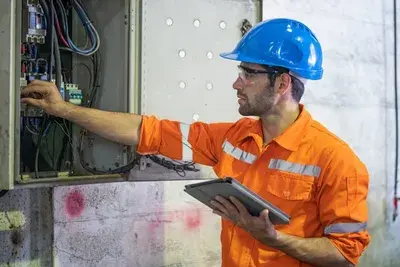
Best Cable Pullers for Commercial Electrical Work (2026 Top Picks)
- 2 hours ago
- 4 min read
Commercial electrical work isn't forgiving. Pulling hundreds of feet of feeder cable through conduit with the wrong equipment wastes time, exhausts your crew, and increases the risk of damaged conductors. Humans do enjoy discovering new ways to turn a simple cable pull into a full-body workout.

Whether you're wiring hospitals, schools, warehouses, apartment complexes, or industrial facilities, investing in a quality cable puller can dramatically improve productivity while reducing strain and jobsite injuries.
In this guide, we'll compare the best cable pullers for commercial electricians, discuss what features matter most, and help you choose the right tool for your projects.
Why Commercial Electricians Use Cable Pullers
Modern electrical installations often involve:
Long conduit runs
Large gauge copper and aluminum conductors
Multiple conductors in one raceway
Tight bends
Underground conduit
Vertical pulls
A professional cable puller provides:
Faster installations
Consistent pulling force
Reduced conductor damage
Less physical strain
Improved OSHA safety compliance
Higher productivity on commercial projects
For contractors billing by labor hours, a cable puller often pays for itself after only a few projects.
What to Look for in a Commercial Cable Puller
Before purchasing, consider:
Pulling Capacity
Commercial jobs typically require:
1,000 lb
2,000 lb
4,000 lb
6,000+ lb
Choose a model capable of handling your largest feeder installations.
Power Source
Options include:
Manual
Battery-powered
Corded electric
Hydraulic
Battery-powered models continue to become more popular because they eliminate extension cords while providing excellent mobility.
Pull Speed
Higher pulling speeds reduce labor time but should still provide excellent control during difficult conduit runs.
Portability
Many commercial electricians regularly move between floors or buildings. Compact, lightweight pullers are much easier to transport.
Safety Features
Look for:
Overload protection
Emergency stop
Automatic braking
Variable speed control
Remote operation
Best Cable Pullers for Commercial Electrical Work
Best Overall Commercial Cable Puller
Greenlee has one of the most respected cable pullers used by commercial electrical contractors across North America.
Pros
Excellent pulling capacity
Fast setup
Smooth operation
Durable construction
Trusted professional brand
Cons
Premium price
Better suited for larger contractors
Best For
Commercial contractors
Schools
Hospitals
Industrial buildings
Best Heavy-Duty Cable Puller
When jobs involve long conduit runs and large feeders, the Versi Tugger is one of the industry's workhorses.
Pros
High pulling force
Multiple mounting options
Excellent reliability
Built for daily use
Cons
Heavy
Expensive
Best For
Service entrances
Large feeders
Industrial construction

Pros
Compact design
Lightweight
Easy transport
Excellent setup time
Cons
Lower capacity than larger units
Ideal For
Commercial remodels
Office buildings
Retail construction

Pros
Fast installation
Excellent portability
Strong pulling performance
Cons
Accessories can increase cost
Perfect for:
Commercial service work
Tenant improvements
Office buildouts
Don't Forget the Right Accessories
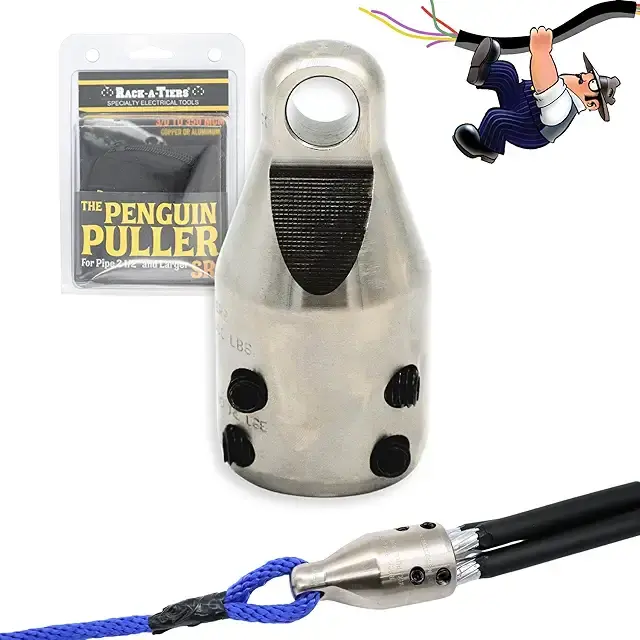
Even the best cable puller performs better with quality accessories.
Consider adding:
Cable pulling lubricant
Pulling grips
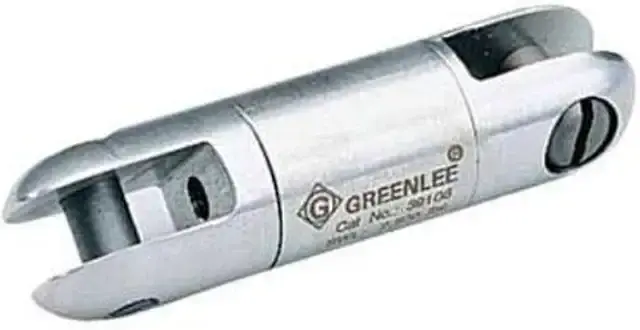
Swivels
Rope
Conduit sheaves
Corner rollers
Rope bags
Cable rollers
Measuring tape
Fish tape
Each of these products also provides excellent opportunities to include Amazon affiliate links throughout your article.
Cable Pulling Safety Tips
Proper planning prevents damaged conductors and jobsite injuries.
Always remember to:
Inspect pulling rope before use.
Verify conduit is clean.
Use adequate pulling lubricant.
Keep workers clear of tensioned rope.
Never exceed equipment capacity.
Communicate clearly during long pulls.
Wear proper PPE.
Follow manufacturer operating procedures.
Frequently Asked Questions
What pulling capacity do commercial electricians need?
Most commercial contractors find that a 3,000 to 6,000-pound puller handles the majority of feeder installations.
Can one person operate a cable puller?
Many modern pullers are designed for single-operator use, though larger installations often require multiple crew members for safety and cable management.
Do cable pullers damage wire?
When used correctly with proper pulling lubricant, grips, and tension control, quality cable pullers help reduce the risk of conductor damage compared to manual pulling.
Are battery-powered cable pullers worth it?
For contractors who frequently move between jobsites or floors, battery-powered pullers offer excellent portability and can significantly reduce setup time.
Protect Your Electrical Contracting Business
Your cable puller is a valuable investment, but it's only one part of protecting your business. Expensive equipment, service vehicles, employees, and active jobsites all create risks that the right insurance coverage can help manage.

At Wexford Insurance, we specialize in insurance solutions for electrical contractors, from small service companies to large commercial firms. Whether you need General Liability, Commercial Auto, Workers' Compensation, Inland Marine, or a comprehensive contractor insurance package, our experienced team can help you find coverage that fits your operation.
If your electrical contracting business is growing or you've recently invested in new equipment like commercial cable pullers, now is a great time to review your insurance program. Request a quote from Wexford Insurance to make sure your business is protected both on and off the jobsite.
Final Thoughts
The right cable puller can dramatically improve productivity, reduce crew fatigue, and help your business complete commercial electrical projects more efficiently. Whether you're tackling long conduit runs in office buildings or installing heavy feeder cables in industrial facilities, investing in reliable equipment pays dividends in labor savings and jobsite performance.