
Best Ant & Roach Treatment Tools for Pest Control Professionals
Ant and roach infestations remain among the most persistent—and profitable—service calls in the pest control industry. Whether you're servicing residential kitchens, commercial food facilities, or multi-unit housing, the right tools directly impact your efficiency, results, and reputation.
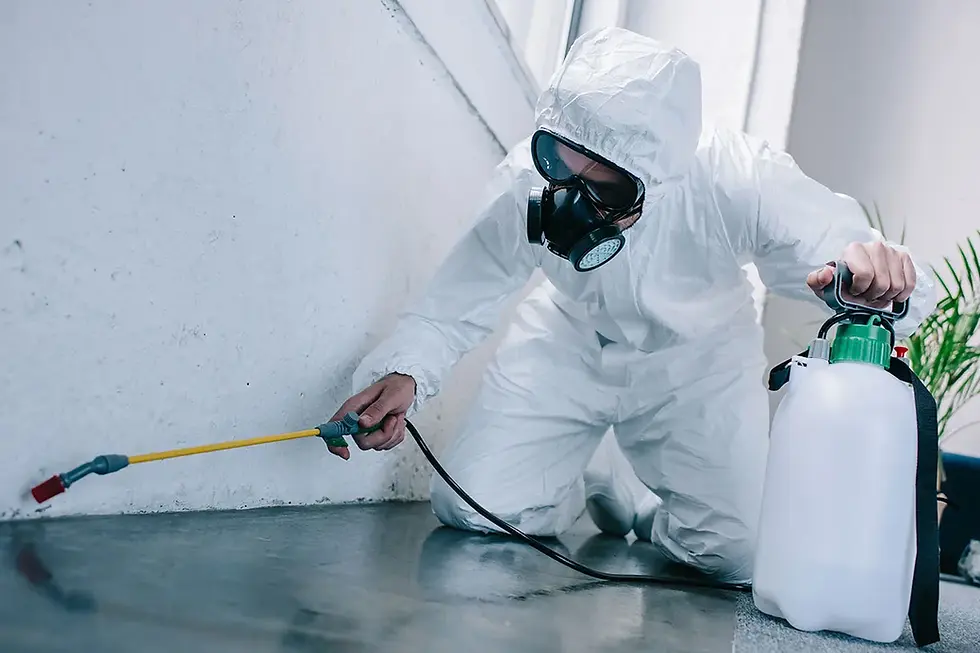
In this guide, we break down the best ant and roach treatment tools trusted by experienced operators. You’ll learn what to use, when to use it, and how to build a reliable kit that delivers consistent outcomes for clients.
Why the Right Treatment Tools Matter
Ants and roaches are resilient, adaptive pests. Using outdated or low-quality tools can result in:
Incomplete treatments
Customer callbacks
Increased chemical usage
Loss of business credibility
Professional-grade tools help you:
Apply products more precisely
Reduce waste and cost per job
Increase treatment effectiveness
Protect your reputation and reduce liability
Core Ant & Roach Treatment Categories
To fully eliminate infestations, professionals typically combine multiple treatment methods:
Liquid insecticide application
Bait systems (gel and stations)
Dust applications
Monitoring and detection tools
Let’s break down the best tools in each category.
Baiting is one of the most effective methods for eliminating ants and roaches. Precision applicators ensure proper placement without overuse.
Recommended Option:
B&G Bulb Duster or Bait Applicator
Fine control for bait placement
Durable, contractor-grade build
Lightweight for daily use

Why Contractors Use It:
Helps deliver bait exactly where pests travel
Prevents over-application and waste
Essential for gel and granular bait work
Best Use Cases:
Ant trails and entry points
Kitchen cabinets and crevices
Behind appliances
Gel baits are a staple in both ant and roach treatments. A quality bait gun improves speed and accuracy.
Recommended Option:
CentroBait Ant & Roach Bait Gun
Compatible with most gel bait cartridges
Smooth trigger for controlled application
Reduces hand fatigue during repeated use

Why Contractors Use It:
Speeds up service time significantly
Improves uniform bait distribution
Ideal for high-volume service routes
Best Use Cases:
Commercial kitchens
Residential infestations
Crack-and-crevice treatments
These small attachments make a big difference in targeting hidden infestations.
Recommended Option:
Ultra-thin design for tight access
Compatible with many sprayers
Allows deep penetration into voids

Why Contractors Use It:
Reaches areas standard nozzles can’t
Reduces visible residue
Improves treatment effectiveness
Best Use Cases:
Baseboards and wall voids
Cabinet seams
Behind electrical outlets
4. Professional Pump Sprayers (Liquid Barrier Treatments)
Liquid applications remain essential for perimeter and interior barrier treatments.
Recommended Option:
Smith Contractor 190217 Pump Sprayer (2-Gallon)
Chemical-resistant components
Adjustable spray patterns
Contractor-grade durability

Why Contractors Use It:
Creates effective barrier treatments
Covers larger areas quickly
Works with a wide range of pesticides
Best Use Cases:
Baseboard treatments
Exterior perimeter barriers
Entry points and foundations
5. Dust Applicators (Long-Term Residual Control)
Dust is critical for long-term ant and roach control in inaccessible areas.
Recommended Option:
Easy-to-use bellows system
Precise dust application
Reliable for daily jobs

Why Contractors Use It:
Provides long-lasting treatment
Perfect for dry, enclosed spaces
Minimal disturbance to treated areas
Best Use Cases:
Wall voids
Under cabinets
Electrical outlets and switch boxes
6. Inspection Tools (Detect Before You Treat)
Thorough inspection is critical for successful ant and roach treatments.
Recommended Option:
High brightness output
Compact and durable
Reliable in low-light conditions

Why Contractors Use It:
Speeds up inspection process
Identifies infestation sources
Improves treatment accuracy
Best Use Cases:
Under appliances
Crawlspaces
Behind furniture
Best Practices for Using Ant & Roach Tools
To maximize results:
1. Combine Treatment Methods
Avoid relying on just one product—integrated pest management (IPM) always performs better.
2. Apply with Precision
Overapplication wastes product and reduces effectiveness.
3. Focus on Harborage Areas
Treat where pests live—not just where you see them.
4. Follow Label Instructions
Improper use can lead to safety risks and liability issues.
Why Insurance Matters for Pest Control Businesses
Using professional treatment tools comes with responsibility. Pest control businesses face risks such as:
Chemical exposure claims
Property damage
Misapplication lawsuits
Worker injuries
Having the right insurance coverage protects your business from costly setbacks.
Get a Pest Control Insurance Quote
If you’re building or growing your pest control business, having the right protection in place is just as important as having the right tools.

Wexford Insurance specializes in helping contractors and service professionals stay protected with tailored coverage options.
👉 Call 317-942-0549 or visit https://www.wexfordins.com/ to get a quote and learn more about coverage options designed for your business.
Final Thoughts
The difference between average and high-performing pest control operators often comes down to tool selection and application strategy.
Investing in the best ant and roach treatment tools allows you to:
Deliver better results
Reduce callbacks
Scale your business efficiently
Build long-term client trust
If you're serious about growing your pest control business, start with the right equipment—and protect your operation with the right insurance coverage.


