Are Laundromats Profitable? Real Margins and Operating Costs
Owning a laundromat sounds like easy, passive income—but is it really that simple? Many new owners ask the same question: are laundromats profitable, or are the costs higher than expected?
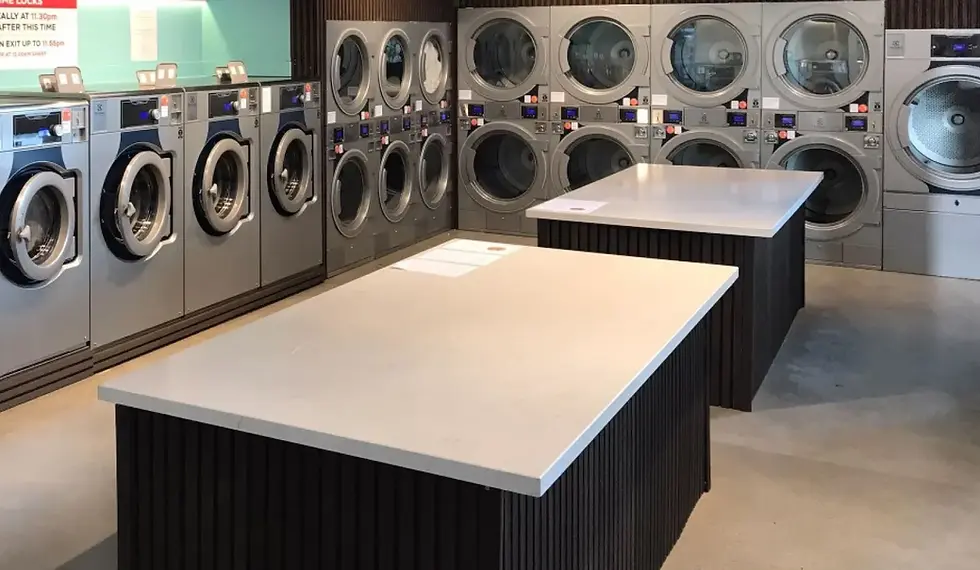
The truth is, laundromats can be profitable—but only when you understand your margins, control expenses, and manage risk the right way.
Are Laundromats Profitable? (Quick Answer)
Yes, laundromats can be profitable. Many owners operate with steady, recurring income because laundry is a consistent need.
That said, profitability depends on:
Location and customer demand
Equipment efficiency
Utility and operating costs
Maintenance and downtime
Business management
Some laundromats generate strong profit margins, while others struggle with high expenses or poor location choices.
How Laundromats Make Money
Understanding revenue streams is key to evaluating laundromat profit margins.
Core Income Sources
Most laundromats earn money through:
Washer and dryer usage
Drop-off wash-and-fold services
Vending machines (detergent, snacks, drinks)
Additional services like dry cleaning partnerships
Machines generate consistent income when properly maintained and priced.
Recurring Demand Advantage
Laundromats benefit from steady demand because:
Not everyone owns a washer/dryer
Apartment dwellers rely on shared facilities
Travelers and commercial clients use them
This consistency is what makes laundromats attractive to business owners.

Typical Laundromat Profit Margins
Let’s talk about margins.
Laundromat profit margins vary widely, but many operators aim for healthy returns after covering expenses. Costs vary widely, but many small business owners report that profitability improves significantly once startup costs are paid down.
Profitability depends on how well you control:
Utilities
Equipment costs
Rent or mortgage
Labor (if staffed)
Well-run laundromats often become more profitable over time as expenses stabilize.
Startup Costs for a Laundromat
Before you make money, you need to invest.
Common Startup Expenses
Starting a laundromat may require:
Commercial washers and dryers
Leasehold improvements (plumbing, electrical)
Lease or property purchase
Permits and licenses
Initial inventory and setup
Costs vary widely depending on location and size.
Equipment Is the Biggest Cost
Commercial machines are expensive but critical.
New machines = higher upfront cost, lower maintenance
Used machines = lower cost, higher repair risk
Energy-efficient machines may cost more upfront, but can lower operating expenses long-term.
Ongoing Operating Costs
To answer “are laundromats profitable”, you must understand monthly expenses.
Utilities (Your Biggest Monthly Expense)
Laundromats rely heavily on:
Water
Electricity
Gas
High utility bills can eat into profit quickly.
Rent or Mortgage
Your location plays a major role.
High-traffic areas = higher rent
Low-cost areas = potentially lower customer volume
Finding the right balance is key.
Maintenance and Repairs
Machines break—it’s not a matter of if, but when.
Regular maintenance helps:
Reduce downtime
Extend equipment life
Control long-term costs
Labor Costs
Some laundromats are unattended, while others are staffed.
Staffed locations may offer:
Customer service
Wash-and-fold services
Security
But labor adds ongoing expenses.
Insurance
Insurance is often overlooked but essential.
A laundromat insurance policy may include:
General liability (slips, injuries)
Property coverage (equipment, building)
Business interruption (lost income from closures)
Costs vary widely, but many operators consider insurance a necessary expense to protect their investment.
For complete insurance cost breakdown explore our blog: How Much Does Laundromat Insurance Cost? A Complete Breakdown
Factors That Impact Laundromat Profitability
Let’s break down the key drivers of success.
Location Matters Most
A strong location includes:
High population density
Limited nearby competition
Lower percentage of in-home laundry
Poor location can limit revenue no matter how good your setup is.
Machine Efficiency
Older machines:
Use more water and energy
Break down more often
Newer machines:
Improve margins
Attract customers
Pricing Strategy
You must balance:
Competitive pricing
Profitability
Charging too little reduces margins. Charging too much can drive customers elsewhere.
Customer Experience
Small upgrades can increase revenue:
Clean environment
Reliable machines
Easy payment options (cards, apps)
Happy customers return—and tell others.
Hidden Costs New Owners Miss
Many first-time owners underestimate these expenses.
Utility Rate Changes
Utility prices can fluctuate, impacting margins quickly.
Equipment Downtime
When machines are out of order:
You lose revenue
Customers may not return
Security and Vandalism
Unattended locations may face:
Theft
Machine damage
Security systems can help protect your business.
How to Increase Laundromat Profits
Improving profitability often comes down to operational efficiency.
Add Wash-and-Fold Services
This can significantly increase revenue per customer.
Upgrade to Energy-Efficient Machines
Lower utility costs over time can improve margins.
Use Smart Payment Systems
Cashless systems:
Reduce theft risk
Improve customer convenience
Monitor Expenses Closely
Track:
Utility usage
Repair costs
Revenue per machine
Small improvements can have a big impact over time.
Insurance Considerations for Laundromat Owners
Insurance plays a key role in protecting your income.
Common Risks
Laundromats face risks like:
Slip-and-fall accidents
Fire or water damage
Equipment breakdown
Theft or vandalism
What Insurance May Cover
Depending on your policy, coverage may include:
Property damage
Liability claims
Lost income from covered events
For general business insurance guidance, resources like Insurance Information Institute offer helpful overviews.
Why Insurance Matters
Unexpected events can disrupt your operation.
Without proper coverage:
Repairs can be costly
Lost income can impact cash flow
Working with a licensed agent helps ensure your protection matches your risks.
Is a Laundromat Right for You?
Laundromats can be profitable—but they are not completely passive.
Success requires:
Smart location selection
Strong equipment choices
Ongoing maintenance
Cost control
If managed well, laundromats can provide stable, long-term income.
For additional small business resources and startup guidance, the U.S. Small Business Administration offers helpful tools at https://www.sba.gov.
FAQ: Are Laundromats Profitable?
How much profit does a laundromat make?
Profit varies widely based on size, location, and expenses. Well-managed laundromats can generate steady income, especially after startup costs are recovered.
What is the biggest expense in a laundromat?
Utilities are often the largest ongoing cost, followed by rent and equipment maintenance.
Do laundromats require a lot of work?
Some are semi-passive, but all require maintenance, monitoring, and occasional repairs to remain profitable.
Is it better to buy or build a laundromat?
Buying an existing laundromat can provide immediate cash flow, while building new allows customization. Each option has pros and cons.
Do I need insurance for a laundromat?
Yes. Insurance helps protect against risks like property damage, liability claims, and business interruptions. Requirements vary by location and lender.
Protect Your Laundromat Investment
So, are laundromats profitable? They can be—if you understand your costs, choose the right location, and manage your business carefully.
Insurance is a key part of protecting your investment and keeping your business running when unexpected issues arise.
If you're starting or running a laundromat and want guidance on the right coverage, Wexford Insurance is here to help.
Call 317-942-0549 or visit https://www.wexfordins.com/ to request your free quote today.