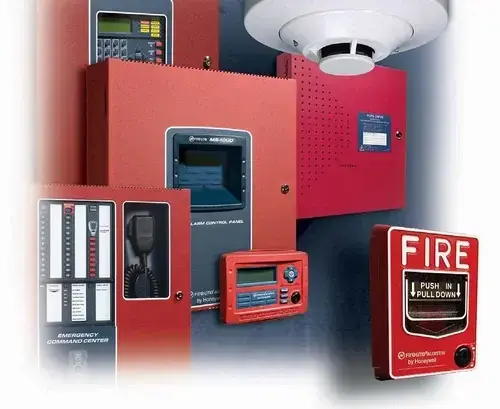
Alarm, Security, and CCTV Installer Insurance in New Mexico: Errors and Omissions and Contract Requirements
If you install CCTV systems, access control equipment, burglar alarms, video surveillance, or integrated security systems in New Mexico, you've probably encountered a customer contract that is almost as detailed as the installation itself.

Whether you're working on a retail center in Albuquerque, a healthcare facility in Santa Fe, or a warehouse in Las Cruces, insurance requirements are becoming a bigger part of the job.
Alarm, security, and CCTV installer insurance in New Mexico often involves more than general liability coverage. Many customers, property managers, and general contractors want protection against installation mistakes, system failures, and professional errors, making Errors and Omissions (E&O) coverage an important topic for security contractors.
Direct Answer
Alarm, security, and CCTV installer insurance in New Mexico typically includes general liability insurance, commercial auto insurance, workers' compensation coverage when required, tools and equipment coverage, and Errors and Omissions (E&O) insurance. Many commercial contracts require certificates of insurance and may request additional insured endorsements, higher liability limits, or proof of professional liability protection.
Coverage needs depend on the types of systems installed, whether monitoring services are provided, the industries served, and the contractual requirements imposed by customers, project owners, or general contractors.
Why Security Installation Contractors Face Different Insurance Risks
Unlike many construction trades, security contractors often face both physical and professional exposures.
A plumbing contractor may be accused of causing water damage. A security contractor may be accused of failing to detect an intrusion, improperly installing a camera system, incorrectly configuring access controls, or recommending inadequate system specifications.
Many projects involve:
Video surveillance systems
Access control systems
Alarm panels
Motion detectors
Remote monitoring equipment
Structured cabling
Network-connected devices
Smart building integrations
When customers rely on these systems to protect property, inventory, employees, or sensitive information, disputes can become complicated.
Claims may involve allegations such as:
Improper installation
Incorrect programming
System design errors
Failure to document configurations
Property damage during installation
Missed project deadlines
Equipment theft
Jobsite injuries
Because these businesses combine contracting work and professional services, insurance programs often need to address both exposures.
What Is Different in New Mexico?
New Mexico presents a unique mix of commercial, government, educational, healthcare, residential, and industrial opportunities for security contractors.
Businesses that install alarm systems, CCTV equipment, access controls, and related technologies may need to review licensing or regulatory requirements through the New Mexico Regulation and Licensing Department or other applicable state agencies, depending on the nature of the work performed. Licensing rules can change, so contractors should verify current requirements directly with the appropriate state agency before relying on older information.
Employers operating in New Mexico may also have obligations administered through the New Mexico Workers' Compensation Administration. Businesses that hire employees should confirm current workers' compensation requirements and compliance responsibilities.
The state's geography and construction market create several insurance considerations.
Security contractors frequently work in:
Schools and universities
Healthcare facilities
Government buildings
Hotels and resorts
Tribal facilities
Industrial properties
Office buildings
Retail centers
Residential communities
Many projects involve coordination with electricians, general contractors, telecom contractors, IT providers, and building management teams.
New Mexico weather may also create exposure for security installation businesses.
Wind, lightning, hail, and seasonal storms can contribute to claims involving electronic equipment, temporary installations, or construction delays. While insurance is not designed to guarantee system performance, contractors often face questions when a customer experiences a loss involving a system they installed.
Commercial contracts increasingly contain detailed insurance language. Depending on the project, requirements may include:
Commercial auto insurance
Umbrella liability insurance
Professional liability or E&O coverage
Additional insured endorsements
Waivers of subrogation
Primary and noncontributory wording
Contractors should carefully review contract language before signing because insurance provisions can significantly affect project obligations.
Larger projects often involve collaboration with other specialty trades. For example, during hospitality, educational, healthcare, and commercial developments, security contractors may work closely with exterior finish contractors.
Learn more in our blog: Stucco, Plaster, and Masonry Contractor Insurance in New Mexico: Coverage for Stucco and Adobe-Style Homes for readers interested in how insurance requirements affect other contractors involved in the same projects.
Another logical internal link opportunity appears when discussing low-voltage systems and communications infrastructure. Many modern security systems rely on network connectivity, structured cabling, and integrated building technologies.
At that point, readers may also benefit from Telecom and Data Cabling Contractor Insurance in New York: What Building Owners and General Contractors Require, particularly for understanding how insurance provisions are commonly written into technology-related construction contracts.
General Liability Insurance
General liability insurance is usually the foundation of an alarm or CCTV installer's insurance program.
This coverage typically helps address claims involving:
Third-party bodily injury
Third-party property damage
Advertising injury claims
Covered legal defense expenses
For example, if installation work accidentally damages a customer's property or a visitor is injured because of jobsite activities, general liability coverage may respond depending on policy conditions and claim circumstances.
Most commercial customers expect contractors to carry this coverage.
Errors and Omissions (E&O) Insurance
Errors and Omissions insurance is one of the most important coverages for many security contractors.
General liability coverage is designed primarily for bodily injury and property damage claims. E&O coverage addresses allegations related to professional mistakes, errors, omissions, or failures in professional services, subject to policy terms and exclusions.
Examples may include:
Incorrect camera placement recommendations
Improper system design
Configuration errors
Programming mistakes
Documentation failures
Alleged failures to meet contractual specifications
Customers increasingly request evidence of E&O insurance before awarding larger projects.
Commercial Auto Insurance
Security contractors spend significant time traveling between customer locations, construction sites, service calls, and maintenance appointments.
Commercial auto insurance may help cover:
Vehicle accident liability
Property damage claims
Bodily injury claims
Covered physical damage losses
Businesses using vans, trucks, or service vehicles should ensure those operations are properly addressed within their insurance program.
Workers' Compensation Insurance
Employees frequently work in active construction zones, occupied buildings, rooftops, mechanical spaces, and ladder-access locations.
Workers' compensation coverage generally provides benefits for covered work-related injuries and illnesses. Businesses should verify their responsibilities under New Mexico law and maintain coverage when required.
Tools and Equipment Coverage
Alarm and CCTV installers often carry expensive mobile equipment.
Examples include:
Testing equipment
Laptops
Network analyzers
Camera calibration tools
Fiber installation tools
Power tools
Access control programming devices
Tools and equipment coverage may help address theft or other covered losses involving business property.

What Drives the Cost of Alarm and CCTV Installer Insurance in New Mexico?
Insurance pricing depends on several business-specific factors.
Common underwriting considerations include:
Annual revenue
Payroll
Number of employees
Claims history
Years in business
Types of systems installed
Monitoring exposure
Use of subcontractors
Vehicle fleet size
Service territory
Contract requirements
Requested liability limits
Professional services performed
Underwriters generally evaluate both physical installation risk and professional liability exposure when reviewing security contractors.
Risk Management Practices That Help Security Contractors
Strong documentation often becomes one of the most important defenses against disputes.
Use Detailed Contracts
Clearly document project scope, customer responsibilities, exclusions, and acceptance procedures.
Maintain Installation Records
Keep photographs, diagrams, programming notes, and project documentation.
Document Customer Approvals
Written approval of system design and equipment locations can help reduce misunderstandings.
Train Technicians Consistently
Regular technical training supports quality control and installation consistency.
Review Insurance Requirements Before Signing
Contract requirements may differ significantly from one project to another. Early review can prevent surprises later in the project.
Frequently Asked Questions
Do security system installers need Errors and Omissions insurance?
Many security contractors purchase E&O coverage because customers may allege professional mistakes rather than physical property damage. Coverage needs depend on the services provided and contractual obligations.
What is the difference between general liability and E&O insurance?
General liability typically focuses on bodily injury and property damage claims. E&O coverage addresses allegations involving professional errors, omissions, recommendations, or system-related services, subject to policy terms.
Do commercial customers require insurance certificates?
Frequently, yes. Property owners, general contractors, schools, healthcare providers, and commercial clients commonly request certificates of insurance before work begins.
If a security system fails, is that automatically covered by insurance?
No. Coverage depends on the facts of the claim, the cause of loss, policy language, exclusions, and endorsements. Every claim is evaluated individually.
Can subcontracted installers work under my policy?
That depends on policy language, contracts, and business structure. Contractors using subcontractors should discuss those arrangements with their insurance advisor and collect certificates of insurance from subcontractors.
Final Thoughts
Alarm, security, and CCTV installation businesses in New Mexico face a combination of contracting risk and professional liability exposure. Between system design responsibilities, technology integration, contractual requirements, and customer expectations, insurance often plays a major role in protecting the business and supporting growth.
Wexford Insurance works with contractors and technology-focused businesses across the country and understands the insurance questions that customers, property managers, general contractors, and underwriters commonly ask. If you're reviewing coverage, bidding larger projects, or preparing for renewal, contact Wexford Insurance for a quote and a practical review of your insurance program.