
Adding a Second Truck: How Growth Changes Your Trucking Policy
Buying a second truck is a big milestone. It usually means your business is growing, you're taking on more work, or you're ready to increase your income. But adding another truck doesn't just change your operations. It also changes your trucking insurance policy.
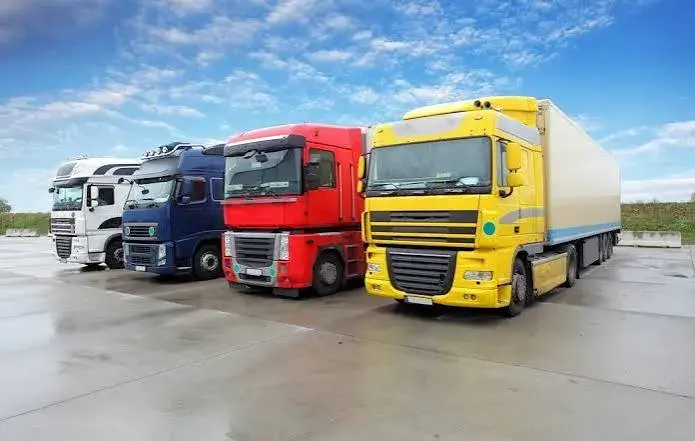
Many owner-operators are surprised to learn that adding a second truck often means more than simply listing another vehicle on the policy. Depending on your business, you may need to update your coverage, adjust your limits, or review how your business is insured. Understanding these changes before you expand can help you avoid coverage gaps and keep your business moving.
Why Adding a Second Truck Changes Your Insurance
Your insurance policy is based on the level of risk your business presents. When you add another truck, your insurer sees a different business than the one you started with.
Instead of one truck on the road, you now have:
More equipment to insure
More miles being driven
More opportunities for accidents or claims
Possibly more employees or drivers
Increased business income and responsibilities
Each of these factors may affect your insurance needs. Your policy should grow with your business rather than staying exactly the same.
Does Adding a Second Truck Increase Insurance Costs?
Yes, in most cases it does. However, the increase depends on many factors.
Insurance companies typically consider:
The value of the new truck
Whether it is new or used
The type of freight you haul
Your operating radius
The experience of your drivers
Your claims history
Where your trucks operate
Coverage limits you choose
Costs vary widely by business, state, and insurance company. While adding another truck usually increases your premium, some expenses may not double because certain policy costs apply to the business as a whole instead of each individual vehicle.
A licensed insurance agent can explain how your specific operation may be affected.
How Growth Changes Your Trucking Policy
Adding a second truck often means reviewing your entire insurance program instead of only adding another vehicle.
Here are the areas that deserve attention.
Commercial auto liability insurance may help cover injuries or property damage if your business is responsible for an accident.
As your fleet grows, your exposure grows too. Your current liability limits may still be appropriate, but they should be reviewed to make sure they fit your expanding business.
If you've invested in another truck, you'll probably want to protect that investment.
Physical damage coverage typically includes:
Collision coverage
Comprehensive coverage for theft, vandalism, fire, weather, and other covered events
Your deductible should also be reviewed. A higher deductible may reduce premium costs but increase your out-of-pocket expenses after a covered loss.
Cargo Insurance
If you're hauling freight, adding another truck often means transporting more cargo each day.
Cargo insurance should match the type and value of the goods you haul. Different commodities may require different coverage considerations.
Trailer Coverage
Many growing trucking businesses also purchase or lease additional trailers.
Your agent can help determine whether your existing trailer coverage continues to meet your needs or whether additional protection should be considered.
Many trucking companies also carry general liability insurance, which helps protect against certain claims that happen away from the truck itself, depending on the policy.
As your business grows, this coverage becomes increasingly important, especially if customers visit your property or you sign larger contracts.
Should You Hire Another Driver?
Many businesses buy a second truck because they plan to hire another driver.
Adding a driver can significantly affect your insurance because insurers often review:
Driving experience
Commercial driver's license (CDL) status
Motor vehicle records
Previous accidents
Safety violations
A qualified driver with a clean record may present less risk than someone with multiple violations.
Before allowing a new driver behind the wheel, make sure your insurance company knows about them. Failing to report drivers could create problems if a claim occurs.
Should You Change Your Business Structure?
Business growth sometimes leads owners to change how their company is organised.
For example, you may move from operating as a sole proprietor to forming an LLC or corporation.
If your business name or ownership changes, your insurance policies should be updated as well. Keeping your policy information accurate helps ensure your coverage reflects your current business.
Discuss these changes with both your insurance agent and legal or tax adviser before making decisions.
Review Your Federal and State Requirements
Growing your fleet may also affect regulatory requirements.
Depending on your operation, you may need to review:
Federal filings
USDOT information
FMCSA requirements
State registration requirements
Vehicle licensing
Requirements vary depending on where you operate and the type of freight you haul. Always verify current rules with the Federal Motor Carrier Safety Administration (FMCSA) at https://www.fmcsa.dot.gov and the appropriate agencies in your state.

Don't Forget About Umbrella Coverage
Larger businesses sometimes consider commercial umbrella insurance.
An umbrella policy may provide additional liability protection above certain underlying policies, depending on the terms and conditions.
While not every small trucking company needs umbrella coverage, it's worth discussing with your insurance agent if you're expanding your operations or signing larger contracts.
Review Equipment Beyond the Trucks
Growth usually means buying more than another truck.
You may also purchase:
Toolboxes
Chains and binders
Load securement equipment
GPS systems
Communication equipment
Portable tools
Some business property may need separate coverage depending on your policy.
Taking inventory of your equipment during expansion helps reduce the chance of forgetting valuable items.
Update Your Safety Program
Insurance companies appreciate businesses that actively manage risk.
As you grow, create or improve written safety procedures covering:
Driver training
Vehicle inspections
Maintenance schedules
Accident reporting
Drug and alcohol policies where applicable
Hours-of-service compliance
Strong safety practices may improve your business over time and help reduce the likelihood of costly claims.
The Occupational Safety and Health Administration (OSHA) also offers helpful workplace safety guidance at https://www.osha.gov.
The Biggest Mistakes Owners Make When Adding a Second Truck
Many business owners focus on buying equipment but forget about updating their insurance.
Common mistakes include:
Waiting too long to notify the insurance company
Forgetting to add new drivers
Underinsuring the value of the truck
Keeping outdated business information on the policy
Not reviewing cargo limits
Ignoring additional equipment that needs coverage
A quick policy review before the truck goes into service can help prevent these issues.
How Does Adding a Second Truck Change Your Trucking Policy?
Adding a second truck changes your trucking policy because it increases the overall risk your business presents. Your insurance company may review your vehicles, drivers, coverage limits, cargo, business structure, and operations to make sure your policy matches your current needs. Rather than simply adding another truck, it's often a good time to review your entire insurance program with a licensed agent.
When Is the Best Time to Review Your Insurance?
Many trucking companies only review insurance at renewal.
A better approach is to review your coverage whenever your business experiences major changes, including:
Buying another truck
Hiring employees
Adding drivers
Expanding into new states
Hauling different commodities
Purchasing expensive equipment
Signing larger customer contracts
Keeping your insurance current can help ensure your business is protected as it grows.
Partner With an Independent Insurance Agency
Every trucking company grows differently.
An independent insurance agency like Wexford Insurance can compare coverage options from multiple insurance companies and help you understand how business growth affects your insurance program.
Instead of waiting until renewal, schedule a coverage review whenever your operation changes. Small updates today may help prevent larger problems later.
Frequently Asked Questions
Does adding a second truck automatically double my insurance premium?
Not necessarily. Premium changes depend on factors such as the truck, drivers, operations, cargo, location, and the insurance company. Every situation is different.
Can I insure two trucks under one policy?
Many trucking businesses insure multiple trucks under the same commercial policy. The best option depends on your business structure and insurance needs.
Do I need to notify my insurance company before buying another truck?
It's a good idea. Speaking with your insurance agent before putting the truck into service can help ensure your coverage is updated appropriately.
Will hiring another driver affect my policy?
Yes. Insurance companies typically evaluate each driver based on experience, driving history, and other underwriting factors, which may affect your coverage and premium.
Should I review all my coverage when my business grows?
Absolutely. Buying another truck is an excellent time to review your liability limits, physical damage coverage, cargo insurance, equipment coverage, and other policies with a licensed insurance agent.
Grow Your Fleet With Confidence
Adding a second truck is an exciting step for your business, but it also brings new insurance considerations. Taking time to review your trucking policy before your fleet expands can help you better understand your risks and keep your coverage aligned with your operation.
If you're planning to add another truck or want to review your current policy, contact Wexford Insurance today for a free, no-obligation quote. Our experienced team can help you evaluate your options and find coverage that fits your growing trucking business.

